


Cancer accounted for roughly 93% of approved September 11th Victim Compensation Fund awards involving deceased claimants, underscoring the lasting health consequences of toxic exposure following the World Trade Center's collapse.
Thousands of families have sought compensation for illnesses linked to the disaster, with the toll continuing long after recovery efforts ended.
Here's what to know
Claims involving people who died from illnesses associated with exposure during the attacks or subsequent cleanup rose from 610 at the end of 2015 to 10,029 in the fund's October report, according to MEAWW.
Cancer-related cases made up the vast majority of the fund's approved awards for deceased claimants as of November: 5,997 out of 6,397 awards.
People who lived, worked, or attended school near the disaster site were also affected, alongside firefighters and recovery workers.
About 400,000 people faced toxic substances, physical dangers, or stressful circumstances after the attacks, according to a federal World Trade Center Health Program estimate cited by MEAWW.
TCD Picks » Quince Spotlight
💡These best-sellers from Quince deliver affordable, sustainable luxury for all




More background
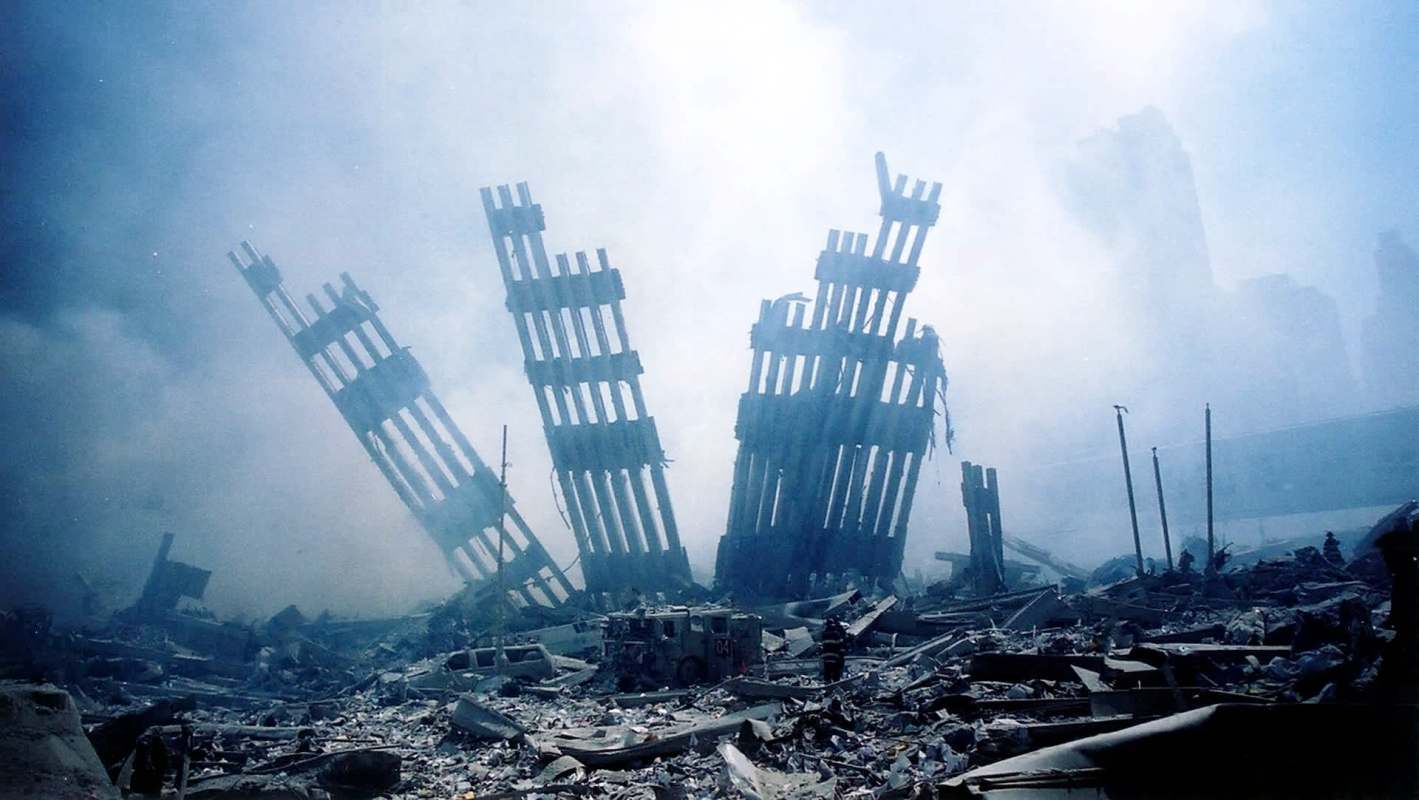
When the towers collapsed on September 11, 2001, crushed building materials mixed with smoke and burning wreckage, spreading across Lower Manhattan and nearby Brooklyn neighborhoods.
The dust included lead, asbestos, soot, glass fibers, and heavy metals, as well as toxic substances generated when jet fuel, plastics, and other materials burned.
Recovery efforts repeatedly disturbed the wreckage, sending additional particles into the air. Workers clearing debris, along with nearby residents and employees, experienced recurring exposure, though some associated diseases took years to emerge.
For affected households, the health consequences have included asthma, a persistent cough, sinus conditions, and trouble breathing. Gastroesophageal reflux disease was also documented.
What's being done?
The World Trade Center Health Program covers several categories of exposure-related illness, including sleep apnea, interstitial lung disease, and chronic obstructive pulmonary disease, according to MEAWW.
Its cancer coverage includes malignancies affecting the thyroid, prostate, breast, lung, and digestive organs, among others.
The program requires certification linking each condition to exposure during the attacks of September 11 or the period that followed.

Get TCD's free newsletters for easy tips, smart advice, and a chance to earn $5,000 toward home upgrades. To see more stories like this one, change your Google preferences here.






