


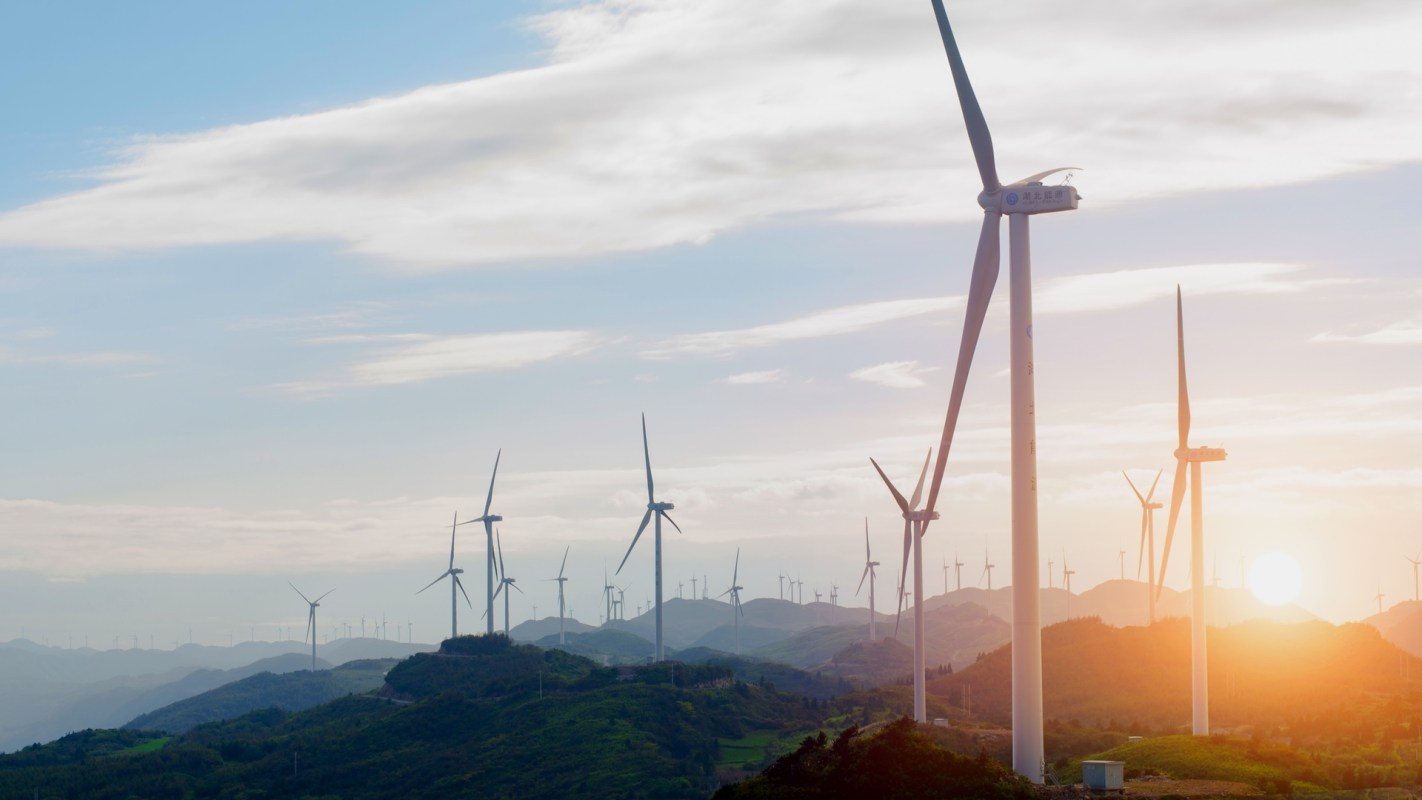
South Korea's manufacturing-heavy economy has long relied on coal-fired electricity. Installed renewable capacity has surpassed coal capacity for the first time, eclipsing 41 gigawatts
Here's what to know
Sam, The Electric Viking (@electricviking), reported the figures in a YouTube video, citing South Korea's grid operator. The coal total is slightly less than 41 gigawatts. The country continues to build out clean-energy infrastructure, which suggests this might be just the beginning.
"The margin is tiny, but the direction is very clear here," the creator said.
Gas remains the country's largest source of power capacity and the next benchmark for renewables. According to Sam, the grid operator expects renewable capacity to overtake gas.
Coal plants remain substantial electricity producers in South Korea, even as the country adds renewables and the balance of installed capacity changes.
More background
South Korea's industrial output connects its electricity system with manufacturing and consumer markets worldwide. Its products include LG and Samsung batteries, Hyundai and Kia vehicles, and ships.
TCD Picks » Quince Spotlight
💡These best-sellers from Quince deliver affordable, sustainable luxury for all




The video identified Australia, Canada, the United States, and the United Kingdom as markets for cars using South Korean batteries.
"It is good news but renewable capacity needs to be far higher due to intermittency, but still heading in the right direction," a commenter reacted.
That important caveat points to the need for battery storage to help renewable sources cover periods of lower sunlight or wind.
What's being done?
According to Sam, South Korea would need to more than double its renewable capacity to meet the government's goal of 100 gigawatts by 2030.
Gas capacity grew by less than one gigawatt per year, compared with average annual renewable additions of about 3.5 gigawatts, according to figures presented in the video. Reaching the government's 2030 target would require roughly 59 additional gigawatts beyond the reported renewable total.
The prospect of reduced demand for coal prompted one Australia-based commenter to link the country's electricity transition to coal mining.
"The faster countries like Korea stop needing coal, the faster we can stop digging it up," they wrote.
The same commenter expressed little sympathy for domestic mining companies and wrote "boo hoo" at the prospect of lower profits, calling the development a "win-win." Not everyone agreed with that sentiment, with one commenter arguing it could lead to a lower budget and higher taxes for Australians because of lower exports.
"This has been coming for quite a while so the country should have been planning for a post-fossil fuel future," another viewer countered. "Unfortunately the reactionaries and the politicians in the pockets of the gas and coal exporters have been too busy looking after their own interests rather than those of the people."

Get TCD's free newsletters for easy tips, smart advice, and a chance to earn $5,000 toward home upgrades. To see more stories like this one, change your Google preferences here.






