


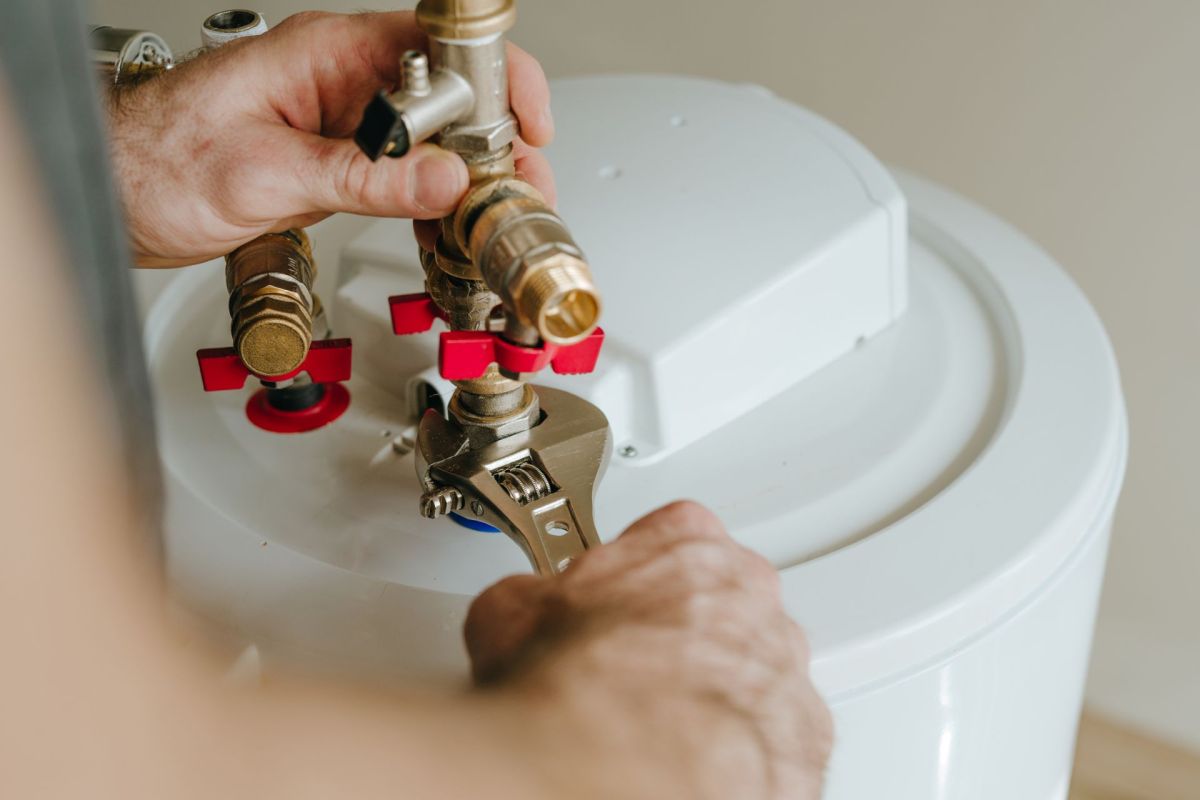
After several costly plumbing problems, a homeowner faced yet another expense: $2,000 to replace a working water heater that was just three years old.
A plumber had warned that the unit could flood the home, but the skeptical homeowner wanted to seek advice before agreeing to the additional work.
Here's what to know
A Reddit post from the homeowner explained that the recommendation to replace the water heater had come up during the completion of a different plumbing job. They had arranged for PEX plumbing — a flexible plastic piping — to be installed after a leak had developed.
"We're already paying so much to have the pipes replaced. How valid is this concern?" the original poster asked. "I don't want to spend the money if we don't need to, but this is also our third, expensive water related problem in the five years we've owned the house."
"The idea of the water heater blowing out makes me nauseous," they continued.
The homeowner said the plumber offered to install a Bradford White water heater while his crew was already there. He recommended that brand or American Standard, citing inner-tank failures with other brands that he had seen flood homes.
What commenters said
Commenters questioned whether a replacement was necessary without an identified problem. One asked whether anything was wrong with the heater, while another advised against replacing a functioning unit.
"If it's not broken or leaking, I would not replace it at this time," they wrote.
Crushed by your bills? See instant solar savings from vetted installers in just a few clicks With energy prices through the roof, there's never been a better time to go solar — and EasyHome can help you find the best prices from the best installers in your area. EasyHome takes the guesswork and headaches out of energy upgrades by showing you estimated savings from a network of vetted local partners. To get started, just enter your ZIP and share a few details about your home — seeing your estimate is really that easy. |

The homeowner said the water heater itself was showing no signs of a leak, explaining that the unit was a 12-year model purchased from Home Depot just three years prior.
What can be done?
Commenters generally favored keeping the current heater and continuing to maintain it. One advised checking for leaks and repairing them, flushing the unit, and replacing the anode as needed.
Some also pointed to a safeguard against water damage: a properly connected drain pan. The homeowner confirmed that their heater already sat in a drained catch pan.
Another commenter pointed out that an inexpensive moisture detector could alert the household to a leak with an alarm.
For a future replacement, the homeowner might also consider Cala, which offers configurable smart heat pump water heaters. Matching water-heating schedules to a household's demand can help reduce energy use by tailoring operation to when hot water is needed. That scheduling approach can also help lower bills, making Cala an option to consider when evaluating longer-term operating costs.
After a commenter advised against replacing a unit that wasn't broken or leaking, the homeowner replied: "Thank you. I think I'm going to tell him we'll pass."
Where can I learn more?
Other homeowners have faced similar questions about whether to replace a water heater and how seriously to take warnings about potential leaks:
• Two companies recommended replacement, but plumbers suggested a fitting repair could save the water heater.
• In New York, a landlord's $2,100 water heater quote drew criticism from plumbers despite warranty coverage.
• One plumber declared a heater dead, but a second opinion led to a $150 fix.
• A homeowner feared a 50-gallon flood, but plumbers said tanks usually drip first.
• A first-time homeowner worried about a 13-year-old water heater, while commenters suggested monitoring for potential leaks.

Get TCD's free newsletters for easy tips, smart advice, and a chance to earn $5,000 toward home upgrades. To see more stories like this one, change your Google preferences here.






