


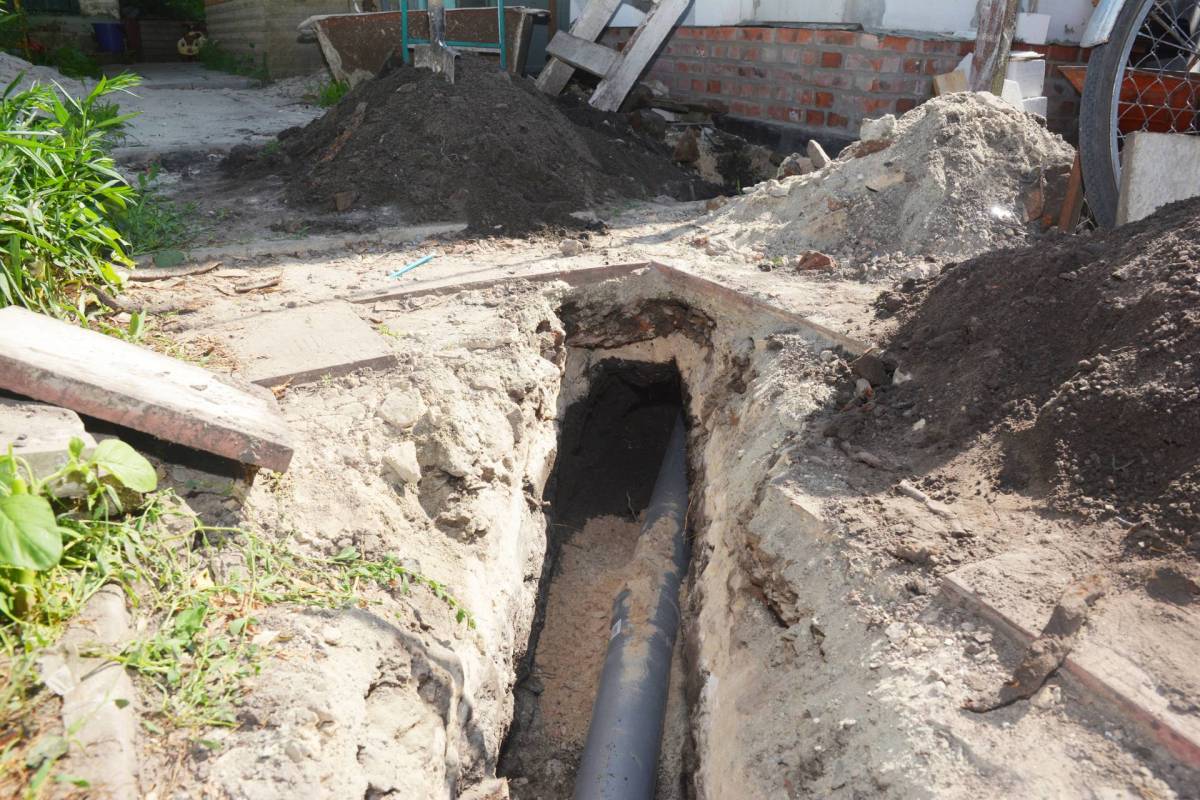
A renter's emergency plan to cut and cap a sewer pipe sparked a discussion about a less destructive way to keep wastewater out of the home.
Here's what to know
In a Reddit post, a renter asked how residents could keep wastewater from backing up into their homes during an extended municipal sewer outage.
They worried sewage flooding on the home's lower floors would make it uninhabitable.
The original poster proposed cutting and capping the main sewer connection and sealing lower-level drains. They had assembled a saw, pipe caps, PVC supplies, and expanding foam for that emergency.
"Have you ever heard of a sewage backwater valve?" one commenter asked. "Look it up. Research it. Install it. 1000% better than cutting/spray foaming/capping."
"If my landlords would allow i would," the renter replied. "As it is they will not (stupid of them imo) I just wanted to bring up the cheapest way to prep it out thats also renter friendly methods."
TCD Picks » Quince Spotlight
💡These best-sellers from Quince deliver affordable, sustainable luxury for all




In another response, the renter said the landlords had investigated installation but decided against it because of the cost of permits and professional work.
More background
The renter hoped to avoid repeating a family experience while sheltering at home. Around 2012, a sewer backup left their great-uncle's basement under a few inches of waste.
A commenter, who said they were a wastewater treatment plant worker, noted some systems use lift stations to pump sewage up to a pressurized line or a higher gravity main because sewage flows downhill.
Another commenter recalled a friend and their spouse using buckets to contain sewage until help arrived, as a clogged street-level line sent wastewater into a basement washing machine.
One commenter noted that sewer-backup damage may require separate insurance coverage because standard homeowners policies generally exclude it.
What can be done?
Commenters repeatedly pointed to a backwater valve as a preventive measure, with one reporting that they found a part priced around $50.
The renter pointed out that the part's price didn't include labor or permits, citing the landlords' installation inquiry.
Another commenter suggested temporarily blocking sewage with plastic sheeting and partially filled sandbags placed in toilet bowls, describing an Australian sandbagging practice. The renter welcomed the idea and wondered whether it could also protect basement fixtures in rentals.
The original post also proposed collecting sink wastewater in five-gallon buckets and using camping bucket toilets instead of the home's toilets during a prolonged disruption. The plan also called for identifying where drains and sewer connections exited the house.
"Its something not many people think of unless they've been through a sewer backup before," the renter wrote.
Where can I learn more?
Other residents have faced sewage flooding, repair costs, and the need for emergency sanitation.
• A homeowner's upstairs shower flooded the first floor after a clean sewer inspection.
• In Ohio, a renter said sewage backed into the tub, with a refund conditional on silence.
• A homeowner with two sump pumps sought automatic backup power for outages.
• Unable to afford a plumber, a homeowner uncovered a possible PVC fix for a sewer break.
• With three plumbers stumped, a senior received a five-gallon backup plan from preppers.

Get TCD's free newsletters for easy tips, smart advice, and a chance to earn $5,000 toward home upgrades. To see more stories like this one, change your Google preferences here.






