


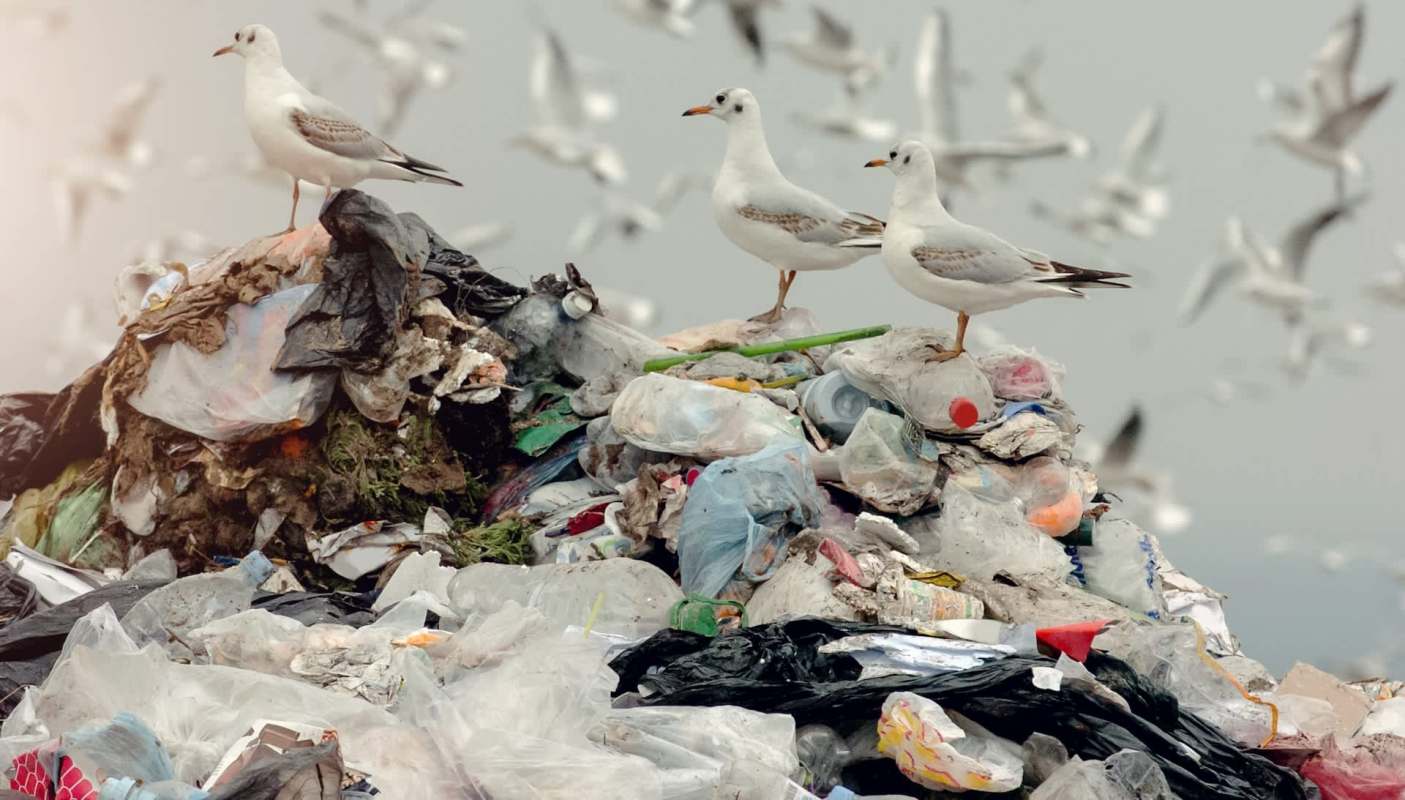
Imagine being hungry but having a stomach so full that you can't even eat. Even though that sounds like the plot to a horror movie, it is the disturbing reality for seabirds whose stomachs are filled with plastic waste.
Here's what to know
Researchers studying flesh-footed shearwaters, also known as sable shearwaters, found plastic in the stomachs of more than 75% of the birds examined, The Indian Express reported.
Discarded plastic is taking up so much space in the stomachs of seabirds on Australia's Lord Howe Island that they cannot eat enough to survive.
Researchers were alarmed when they recorded a record 403 plastic fragments in one stomach in 2023. However, just 2 years later, one bird examined in 2025 had 894 pieces of plastic in its stomach.
Tiny plastic pellets called nurdles turned up alongside larger discarded objects, including food packaging, straws, toothbrush heads, balloon clips, and bottle caps.
More background
Sable shearwaters are particularly vulnerable because they live in areas where food is scarce and will swallow whatever they encounter. Their usual diet consists mainly of small fish and squid, and they spend more than nine-tenths of their lives at sea.
TCD Picks » Quince Spotlight
💡These best-sellers from Quince deliver affordable, sustainable luxury for all




Marine scientist Jennifer Lavers, who coordinates the Adrift Lab and has studied these birds, has described their feeding habits as indiscriminate. They swallow floating plastic after mistaking it for food.
They are fighting a two-front battle for survival: plastic waste and climate change.
As ocean temperatures rise, fish and squid retreat to greater depths, putting meals further out of reach. Flooding can also wash more plastic out to sea.
While sable shearwaters are classified globally as Near Threatened, researchers are particularly concerned about those living on Lord Howe Island.
Beyond the risk of starvation, accumulated plastic can squeeze the birds' organs and push the heart and liver out of position.
What's being done?
Although mitigation measures need to be systematic to have a large impact, individuals can do their part by properly disposing of plastic waste.
Scientists have emphasized the need to curb plastic manufacturing and keep discarded material out of the ocean. These efforts will require countries to work together and improve how they handle waste.
Researchers are also examining dead birds and analyzing the plastic ingested by live birds to assess how widespread the problem is. Their work documents both what the birds swallow and the consequences for their bodies.
The team's observations of Lord Howe Island's shearwaters span 15 years, and their work is bringing light to a situation that might otherwise have been ignored. That is the first step, but fixing the problem will take a coordinated effort across scientists, governments, and manufacturers.

Get TCD's free newsletters for easy tips, smart advice, and a chance to earn $5,000 toward home upgrades. To see more stories like this one, change your Google preferences here.






