


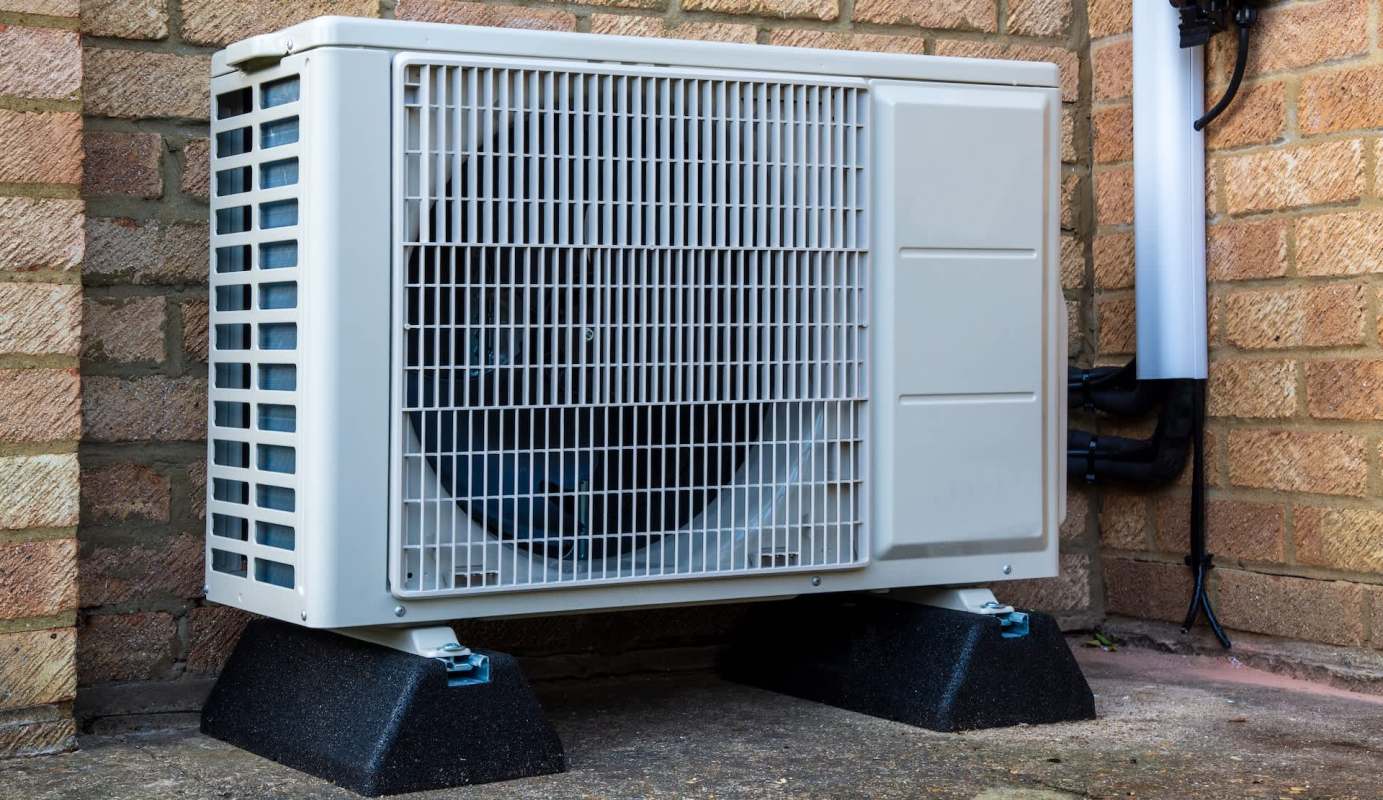
When upgrading to an efficient electric heat pump, installation is only one step of the process. To find out what happens to heat pumps at social housing properties after installers leave, researchers in the United Kingdom will investigate, looking to increase residents' satisfaction with their systems and to help landlords identify problems.
Here's what to know
Social housing landlords will work with the two-year OnTrack project to study heat pump installation, handover, and ongoing support, according to Scottish Housing News. The MCS Foundation will be funding the research, which is to be led by the Leeds Sustainability Institute at Leeds Beckett University.
"Existing research has largely focused on technical design and installation standards, while less attention has been paid to what happens when responsibility passes from installers to landlords and residents," said Kate Morland, a research fellow at the institute and the project's leader, per Scottish Housing News.
For homeowners considering efficient heating and cooling options, choosing the right equipment, installer, and service is vital. Palmetto helps homeowners compare HVAC and heat pump solutions and connect with vetted installers through its Comfort Plan network.
More background
OnTrack has labeled the time between installation and everyday use the "heat pump handover gap." Morland explained that efforts to cut home-heating pollution have been bringing more heat pumps into U.K. social housing.
As with individual households, social housing projects also can benefit from efficient heating and cooling upgrades, which can help manage energy expenses and reduce exposure to higher energy prices. However, heat pump-related problems can go undetected long after installation when social landlords lack the resources or technical expertise to confidently assess contractors' installation and commissioning work, according to Scottish Housing News.
What's being done?
As part of its research, the OnTrack team will analyze energy performance and study residents' experiences and behavioral changes to determine where improvements can be made. Researchers will test various changes in selected homes, measuring performance and assessing how well residents understand their systems and how confidently they use them. The findings will help inform guidance on system handover, ways to identify and address installation problems, and ongoing support.
"Inconsistent communication and limited resident support can all affect heat pump performance, comfort for households, and running costs," Morland said, per Scottish Housing News. "By better understanding and improving these processes, we aim to ensure that heat pumps deliver the benefits expected by residents, landlords, and policymakers."
Crushed by your bills? See instant solar savings from vetted installers in just a few clicks With energy prices through the roof, there's never been a better time to go solar — and EasyHome can help you find the best prices from the best installers in your area. EasyHome takes the guesswork and headaches out of energy upgrades by showing you estimated savings from a network of vetted local partners. To get started, just enter your ZIP and share a few details about your home — seeing your estimate is really that easy. |

For homeowners weighing upfront and ongoing expenses, Palmetto's Comfort Plan offers $0 down options that can reduce heating and cooling costs by up to 50%. Palmetto Comfort Plans also include 12 years of maintenance.
Pairing efficient electric HVAC with solar can further help homeowners manage utility spending and make their homes more self-reliant. EasyHome offers a solar comparison shopping tool to help homeowners view installation offers side by side.
Where can I learn more?
U.K. homeowners have raised similar concerns about heat pump installations and the advice they have received.
• In the U.K., DIYers warned that poor monoblock heat pump installations could undermine performance.
• In a U.K. survey, 82% distrusted heating firms' advice, yet over half reported savings.
• In the U.K., conflicting heat pump sizing recommendations ranged from 2.9 kW to 6 kW.
• A U.K. homeowner questioned whether a low-cost heat pump quote left out essential installation extras.
• A U.K. homeowner questioned recommended radiator replacements when their boiler was already heated at 55 C (131 F).

Get TCD's free newsletters for easy tips, smart advice, and a chance to earn $5,000 toward home upgrades. To see more stories like this one, change your Google preferences here.






