


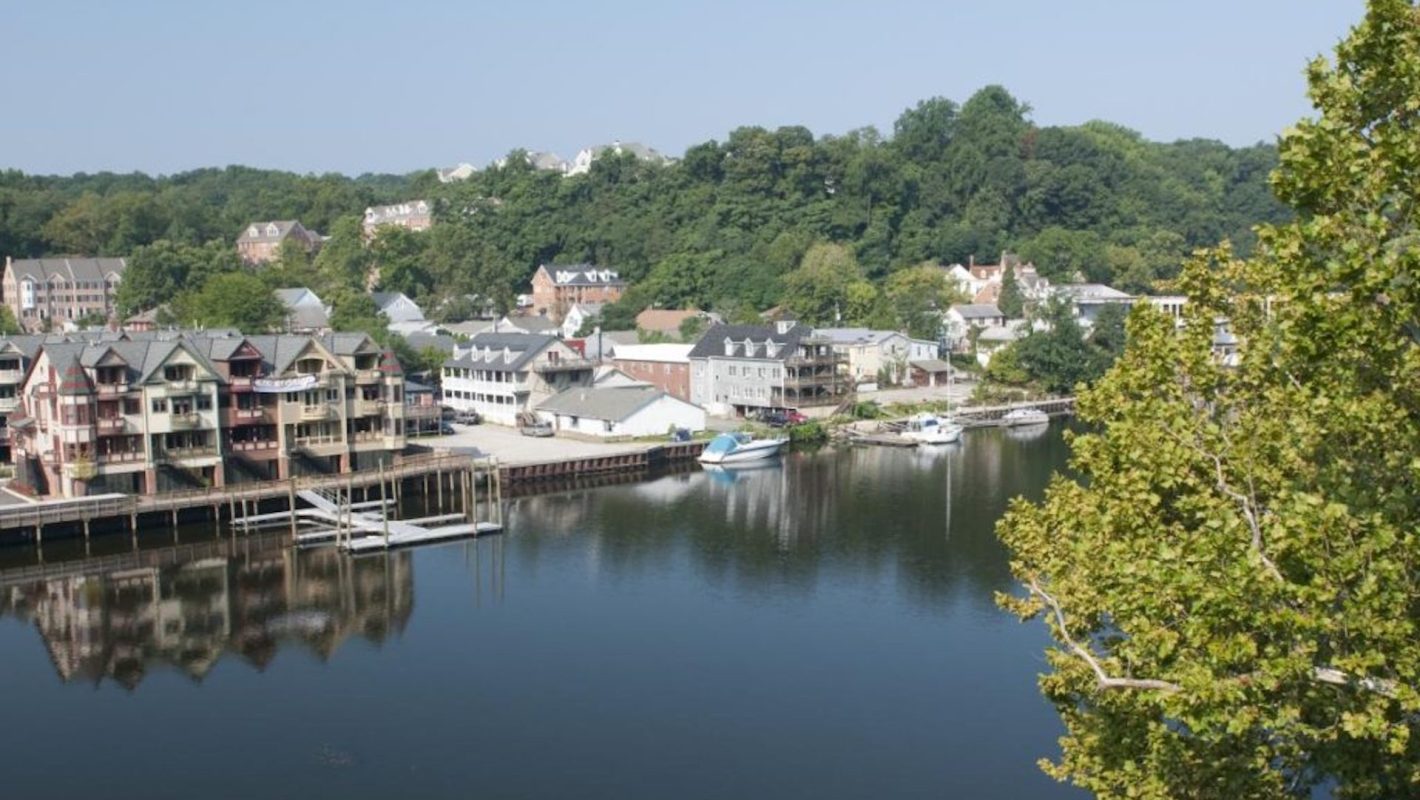
Industrial sites have been releasing "forever chemicals" into Virginia's Occoquan Reservoir watershed, which supplies drinking water to 1 million people. Homes and businesses have been receiving that water without a system in place to remove the contaminants.
Here's what to know
A public-records request by the Prince William Times revealed that the watershed's largest industrial PFAS releases came from Dulles International Airport and Micron's Manassas semiconductor plant. Of the 16 sites monitored, 11 reported releases above limits established for the chemicals.
At Dulles, total PFAS measured as much as 6,469 parts per trillion, the Times reported. The concentration of PFOS, one type of PFAS, peaked at 195 parts per trillion — nearly 49 times the federal drinking water limit that will take effect in 2029.
Micron reported a maximum total PFAS concentration of 1,391 parts per trillion at one wastewater outfall. Its concentration of PFOA, another type of PFAS, peaked at 66 parts per trillion, more than 16 times the forthcoming limit, according to the Times.
The chemicals have served different purposes at the two sites. Airports use PFAS-containing firefighting foam to combat chemical and jet fuel fires, while semiconductor manufacturers use the chemicals because they withstand high temperatures.
More background
Electronics, nonstick cookware, and food packaging are among the many everyday products that contain PFAS, a category covering thousands of synthetic compounds, according to the Times.
TCD Picks » Quince Spotlight
💡These best-sellers from Quince deliver affordable, sustainable luxury for all




PFAS have been linked to cancer; developmental delays; and thyroid, liver, and immune system problems. They are called forever chemicals because they persist in the human body and the environment.
Federal drinking water limits for PFOA and PFOS will become enforceable in 2029. The Environmental Protection Agency set both limits at 4 parts per trillion.
According to the Occoquan Watershed Monitoring Lab, PFOA at Fairfax Water's Griffith Water Treatment Plant measured as high as 8.7 parts per trillion during 2023. The peak PFOS reading in 2024 was 6.3 parts per trillion, as the Times reported. Prince William Water buys water from that plant to supply customers in eastern Prince William County.
Virginia Secretary of Natural and Historic Resources David Bulova said installing PFAS removal equipment at Fairfax Water would cost $400 million plus $25 million annually to operate and maintain it. Those expenses could raise customers' utility bills.
What's being done?
Industrial facilities releasing pollutants in the Occoquan watershed must disclose their wastewater PFAS levels to the Virginia Department of Environmental Quality quarterly under legislation Bulova sponsored as a state delegate in 2025, according to the Times.
Industrial polluters bear responsibility for treatment under the law and must reduce their levels below federal limits by 2029. Bulova said reducing the largest releases could bring drinking water below federal limits without increasing water bills.
Joseph Olmo, speaking for Dulles operator Metropolitan Washington Airports Authority, said a compliance plan will evaluate treatment approaches, according to the Times. Micron spokesperson Tate Tran said the company is also evaluating PFAS management methods, including additional wastewater treatment.
Prince William County spokesperson Nicole Brown said the county's composting facility has also been monitoring PFAS and "will submit a remediation plan to DEQ by July 2029."
Other sites reporting elevated levels included a Sunoco fuel terminal, Manassas Regional Airport, and a Lockheed Martin facility.
"This gives us a fighting chance to reduce those sources, which ultimately should mean that PFAS levels in our drinking water will go down," Bulova said, per the Times.
Where can I learn more?
Other communities facing PFAS contamination have also been grappling with how to monitor their water and hold polluters responsible.
• Counting low PFAS readings as zero may have hidden half the contamination in U.S. drinking water.
• Maryland residents have pushed back as Perdue sought a fivefold increase in wastewater amid PFAS concerns.
• In Massachusetts, PFAS appeared in 87% of tested waterways, with 64 fish warnings in place.
• North Carolina's Robeson County got $23 million from polluters to fund cleaner water.
• North Carolina's fight against PFAS exposed the industry's international reach, spanning Texas, Europe, and India.

Get TCD's free newsletters for easy tips, smart advice, and a chance to earn $5,000 toward home upgrades. To see more stories like this one, change your Google preferences here.






