


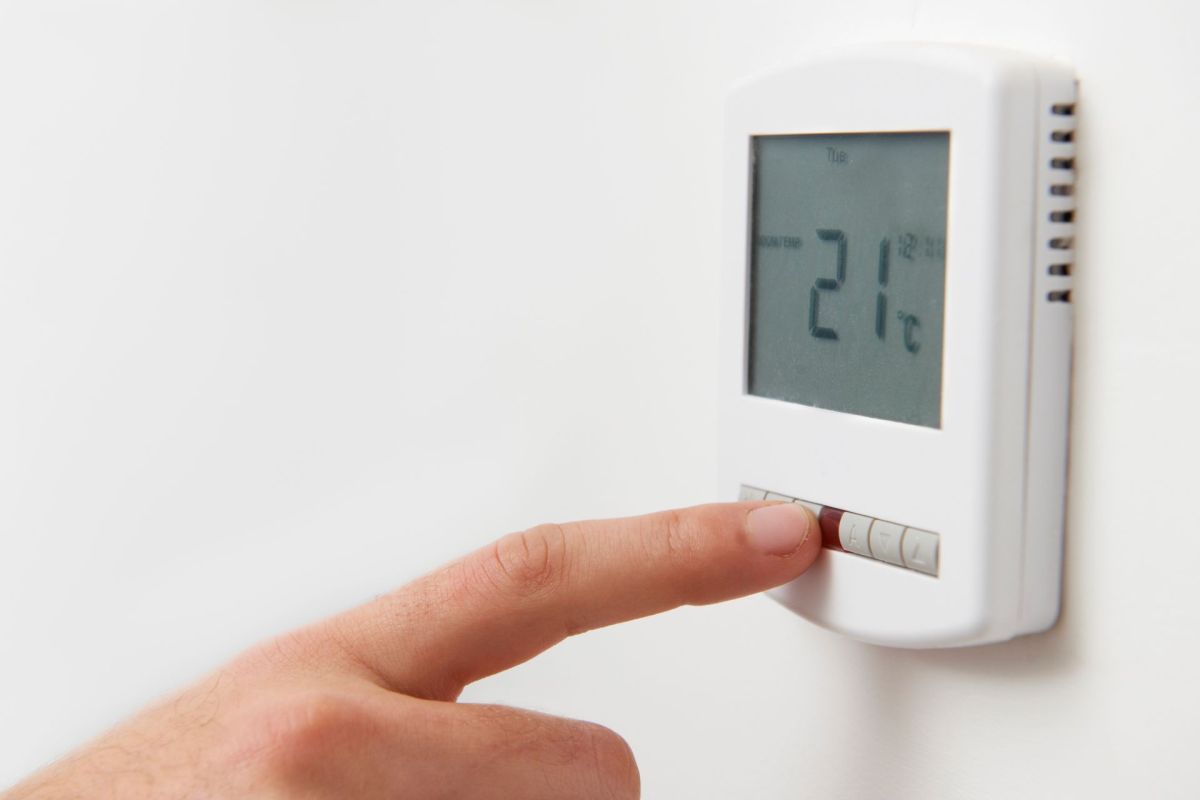
Australians are more likely to cut back on heating and cooling to keep bills down than switch power companies for a better deal.
Here's what to know
In a YouGov survey, 17% reported changing providers, while 42% said they had used less heating or cooling than they wanted.
The YouGov research surveyed 1,045 Australian adults between October 15 and 19, 2026. According to YouGov, 28% had looked at competing electricity plans or providers, but only a few had followed through with a switch.
Only 19% of participants who prioritized low bills had switched providers, while 33% had compared plans. The survey also showed that 63% of Australians struggled to judge whether their household had a good electricity deal.
Women were more likely than men to have reduced their heating or cooling use, at 46% versus 38%. Baby boomers had the highest rate of cutbacks, with 52% reporting that they had used less.
More background
Portable fans were mentioned by 45% of Australians planning to reduce air-conditioning use mentioned fans. Two in five planned to wear less at home for the same reason.
TCD Picks » Quince Spotlight
💡These best-sellers from Quince deliver affordable, sustainable luxury for all




YouGov found that 44% of women planned to wear less, compared with 35% of men. Baby boomers were the most likely generation to plan that adjustment, at 52%, followed by Gen Z at 36% and millennials at 32%.
70% credited their distributor with at least one function it does not perform. This included 46% who believed it generates electricity and an equal share who believed it sends their bill.
What can be done?
53% planned to keep blinds or curtains closed during the day, making it the most popular summer cooling measure.
YouGov also reported that 40% reminded other household members to turn off lights or appliances, while 44% switched appliances off at the power point.
Another 30% said they scheduled appliance use for lower-priced periods to keep electricity spending in check.
Gen Z respondents were the most likely to plan outings in search of cooler surroundings, with 46% intending to make at least one such trip. For 33% of Australians overall, summer plans included seeking relief at workplaces, shopping centers, libraries, beaches, pools, or the air-conditioned homes of friends or relatives.
Still, while two-thirds of Australians said they tracked household electricity usage, far fewer had investigated an appliance's power consumption, with nearly two-thirds — 64% — unsure of the running costs of individual appliances. Only 19% had actually investigated it, including 25% of men and 13% of women. Among Gen Z respondents, that figure reached 28%.
Where can I learn more?
Australian households are also looking for cheaper power plans and other ways to lower energy costs.
• An Australian couple's $225 power bill showcased potential savings from shopping for better rates.
• Australia's housing scorecard highlighted how leaky homes drive high heating and cooling costs.
• South Australians faced a 60% jump in disconnection threats as thousands seek help.
• An Australian renter challenged a $242 power disconnection fee, which was subsequently dropped.
• An Australian family of five learned cutting gas could save $1,000 a year.

Get TCD's free newsletters for easy tips, smart advice, and a chance to earn $5,000 toward home upgrades. To see more stories like this one, change your Google preferences here.






