


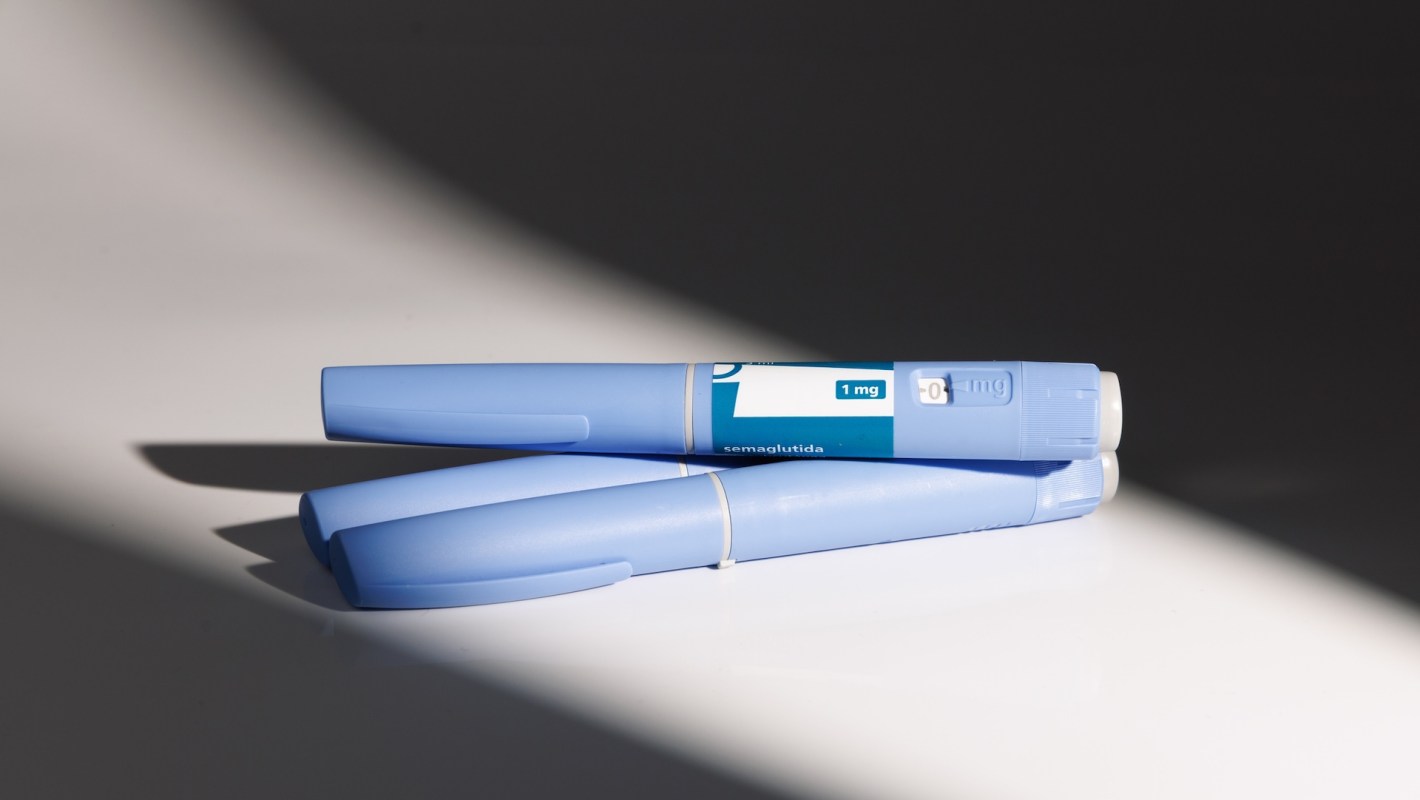
An Italian study found people with type 2 diabetes who stopped GLP-1 medicines faced twice the combined risk of a heart attack, stroke, or death.
Here's what to know
The analysis focused on people who began GLP-1 treatment between 2004 and 2024. Researchers reviewed electronic medical records for more than 80,000 people with type 2 diabetes, according to Euronews.
Euronews reported that the Italian Association of Clinical Diabetologists' database supplied the records, which covered more than 300 diabetes clinics. Participants had no established cardiovascular disease when they entered the study.
People who continued taking the medicines had about two events per 100 people annually, compared with roughly four among those who stopped, Euronews reported. The study, published in The Lancet Regional Health Europe, counted nonfatal heart attacks, nonfatal strokes, and deaths from any cause.
Stopping treatment was associated with a 61% rise in cardiovascular risk among participants without obesity and a larger increase of 127% among those with obesity. The study defined obesity as a body mass index above 30.
The higher risk raised questions because patients showed only small changes in weight, blood sugar, and blood pressure after stopping treatment.
TCD Picks » Quince Spotlight
💡These best-sellers from Quince deliver affordable, sustainable luxury for all




More background
GLP-1 medicines have become a mainstay of care for obesity and type 2 diabetes, with benefits that also extend to the heart and kidneys. They work by mimicking a natural hormone involved in blood sugar control and appetite suppression.
Many patients stop treatment within the first year for many reasons, including cost, believing it to be ineffective, worries about rare side effects, or because of gastrointestinal reactions.
Blood sugar and blood pressure often worsen after treatment stops, and patients frequently regain weight.
Researchers found no significant variation in these changes based on whether a participant had a heart attack or stroke or died.
What's being done?
Participants who continued taking a GLP-1 averaged almost three years of use, while those who stopped had taken it for slightly more than a year.
The authors said the findings suggest sustained treatment may help preserve overall health benefits for people with type 2 diabetes but no established cardiovascular disease.
However, semaglutide — a widely used newer-generation treatment — accounted for only a small share of use. Most participants received earlier-generation GLP-1 medicines. Tirzepatide was excluded because it arrived on the Italian market after the study's 2024 endpoint, according to Euronews.
The authors said further research should examine whether stopping GLP-1s signals deteriorating health or preexisting cardiovascular vulnerability, rather than increasing cardiovascular risk on its own.
Where can I learn more?
GLP-1s are reshaping eating habits and raising questions about insurance coverage and safe needle disposal.
• In Massachusetts, GLP-1 use for weight loss plunged 52% after insurers cut coverage.
• In the U.K., Ozempic and Wegovy users may experience fewer asthma attacks.
• In the U.K., oral GLP-1 waitlist and pre-order pitches have sparked the first advertising bans.
• Lay's was named the most exposed food brand worldwide as GLP-1 users reduce snacking.
• In the U.K., weight-loss needles in recycling can leave injured workers awaiting tests for months.

Get TCD's free newsletters for easy tips, smart advice, and a chance to earn $5,000 toward home upgrades. To see more stories like this one, change your Google preferences here.






