


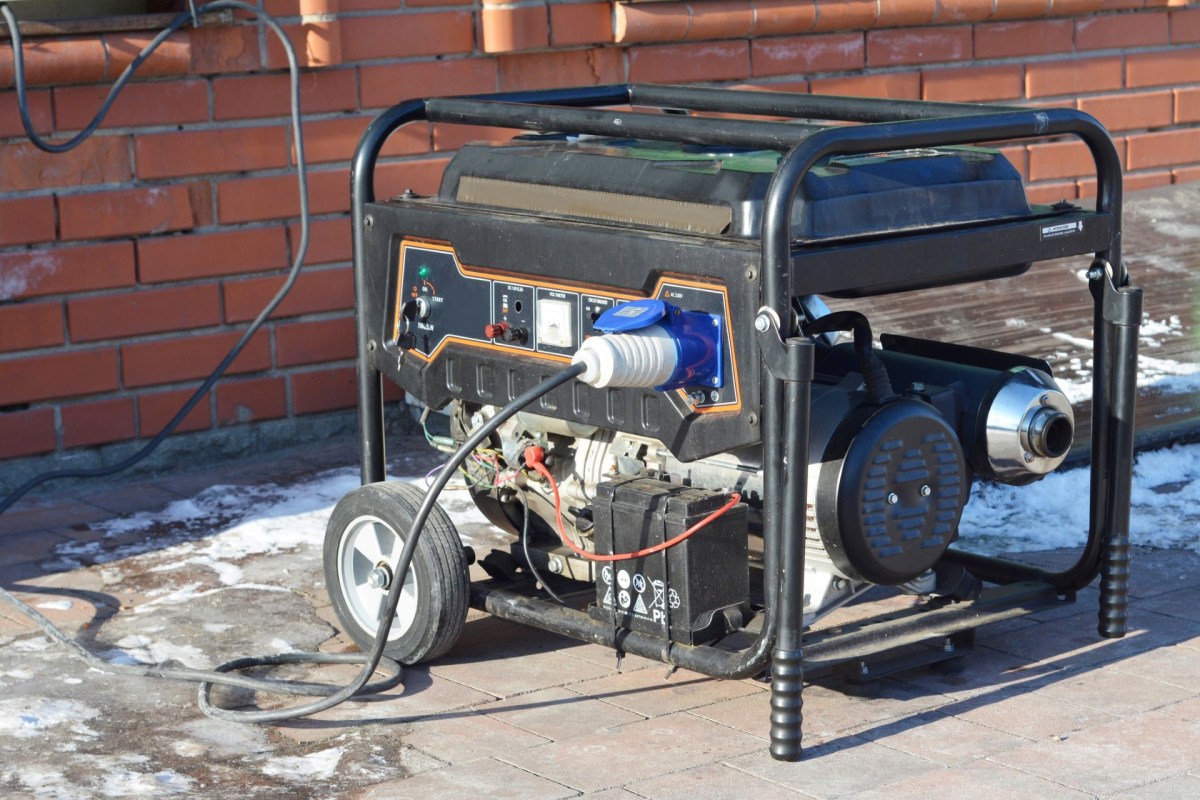
Keeping a refrigerator running and phones charged during a blackout may seem straightforward. But for one Northeast homeowner seeking generator recommendations, adding two space heaters made the decision more complicated.
Here's what to know
Unsure whether solar made sense in the Northeast and unfamiliar with the available options, a homeowner posted on Reddit for advice. They wanted help selecting a generator for an extended outage to cover "basic needs."
When commenters asked which essentials they hoped to power, the homeowner clarified: "I would like to be able to keep our refrigerator and maybe our coffee maker on during a power outage. We would also like to charge our phones and laptops, not much more than that."
More background
The homeowner needed a total wattage estimate that accounted for details such as whether the water heater was electric, according to a commenter who had spent months researching their own setup. They advised against using battery power for heat, saying the energy demand would be too high.
After one commenter recommended a Westinghouse 11,000df inverter generator running on propane, the Westinghouse owner also noted that their unit needed a trickle charger in cold weather. They had owned it for roughly two years without experiencing an outage.
What can be done?
A battery power station could supply household electricity between generator runs, one commenter suggested. They recommended using a dual- or tri-fuel generator to recharge the battery.
TCD Picks » Quince Spotlight
💡These best-sellers from Quince deliver affordable, sustainable luxury for all




The commenter anticipated one or two hours of daily generator use, though the equipment would need to be sized according to the household's power requirements.
For a solar-capable option, another commenter suggested an Anker SOLIX S2000 or S5000 and linked to the S5000 product page. The homeowner thanked them, but the discussion did not establish a solar setup tailored to the home's location or heating needs.
Another commenter recommended a Champion 11000 tri-fuel generator and said they were planning a GenerLink installation. "Good stuff, can you send me a link to your unit? I know absolutely nothing about any of this and I'm trying to learn, thank you," the OP responded.
Where can I learn more?
Choosing backup power for heat and other essentials means thinking about installation costs, fuel use, and how long an outage might last. These stories follow homeowners as they weigh their options.
• In the Northeast, a homeowner received three generator bids ranging from $16,000 to $19,000.
• A homeowner's 9,600W generator recommendation raised concerns among commenters about ongoing fuel consumption.
• A homeowner with two sump pumps and an oil furnace sought automatic backup power.
• In Massachusetts, a home backup setup ran for 80 blizzard hours before adding propane.
• An Idaho homeowner considered powering a heat pump, then learned to use gas heating.

Get TCD's free newsletters for easy tips, smart advice, and a chance to earn $5,000 toward home upgrades. To see more stories like this one, change your Google preferences here.






