


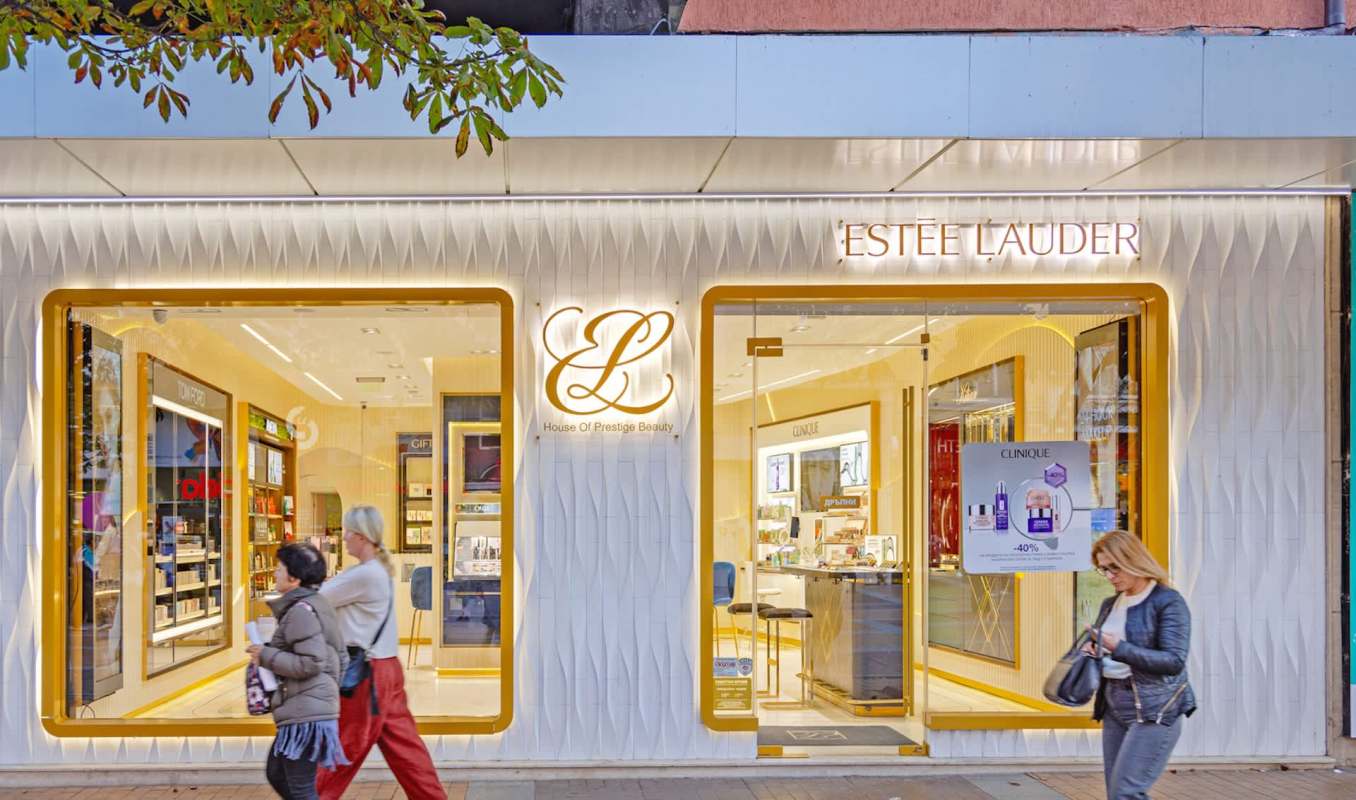
L'Oréal and Estée Lauder are beginning to produce skincare products that promise to influence aging at the cellular level, giving familiar "anti-aging" beauty products a scientific sales pitch and raising questions about the evidence behind these promises and what shoppers are getting for their money.
Here's what to know
Skincare and beauty brands are shifting their marketing strategies to products that allegedly influence how skin ages at a cellular level.
L'Oréal's Longevity Integrative Science platform relies on the Longevity AI Cloud™, which the company says assesses over 260 biomarkers within a framework covering 12 hallmarks of aging, according to Fortune. Using this research, it developed the Cell BioPrint Skin Age Test and Lancôme Absolue Longevity products.
Estée Lauder's strategy uses research from its Skin Longevity Institute and two clinical papers published in peer-reviewed journals: one examining a skincare regimen and another examining a model for assessing facial age. Its Re-Nutriv line uses SIRTIVITY-LP technology, backed by more than 40 patents, and claims visible improvements in skin aging.
Other brands are jumping on the longevity bandwagon. OneSkin targets senescent cells to reduce biological age. Nivea markets epigenetic "resetting." Paula's Choice released a longevity serum to optimize "skin healthspan."
More background
In medicine, longevity involves extending lifespan and increasing the years people live in good health. Beauty companies are borrowing that scientific vocabulary to market products used over much shorter periods. Terms such as sirtuin activators and NAD+ boosters are increasingly appearing in their advertising.
TCD Picks » Quince Spotlight
💡These best-sellers from Quince deliver affordable, sustainable luxury for all




Many molecules featured in longevity claims cannot readily pass through the skin's barrier while remaining active.
Evidence supporting topical applications also remains limited, particularly for promises to reverse biological age or increase the years people live in good health.
The Verge raised concerns about the lack of publicly available, peer-reviewed validation of L'Oréal's Cell BioPrint device's performance. Tools that resemble diagnostic tests help guide shoppers' purchasing decisions.
What's being done?
The Federal Trade Commission requires companies to substantiate both explicit advertising claims and benefits shoppers reasonably infer from scientific language or imagery.
In 2014, the FTC challenged advertising for Lancôme Génifique and L'Oréal Paris Youth Code, alleging inadequate support for claims that acting on genes could produce anti-aging effects. The company settled and agreed to limits on some claims involving genes.
The Food and Drug Administration also considers a product's intended use when determining how to regulate it. Claims about changing the body's structure or function can bring drug regulation into play.
Todd A. Harrison, a partner at Venable LLP and co-chair of its FDA Group, emphasized companies' responsibility to communicate those promises carefully.
"Referencing scientific concepts like sirtuin activation, senescent cell clearance, or mitochondrial repair may classify a product as a drug. Brands seeking innovation should communicate carefully to avoid FDA enforcement actions and class-action lawsuits."
Where can I learn more?
Questions about what beauty products promise — and how they're sold — go beyond anti-aging skincare.
• Arizona's attorney general sued L'Oréal over cancer-linked hair relaxers, alleging Black women weren't warned.
• Bill Andrews says an anti-aging pill is three years away after decades pursuing longevity.
• The UK expanded a Simple cleansing water recall amid broader concerns about beauty-industry trust.

Get TCD's free newsletters for easy tips, smart advice, and a chance to earn $5,000 toward home upgrades. To see more stories like this one, change your Google preferences here.






