


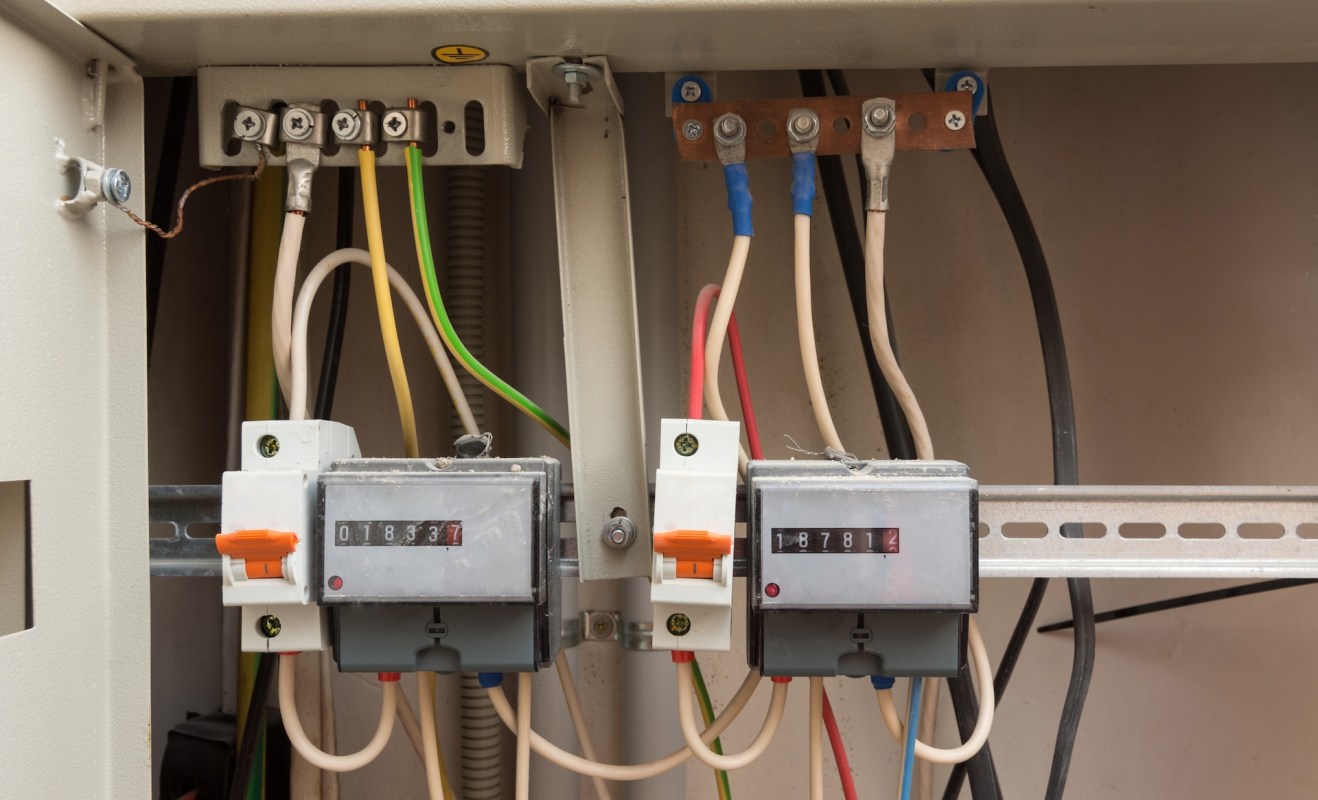
One U.K. homeowner had the unusual situation of two electricity meters serving the house. With that setup, they wondered how to best use a potential solar panel and battery system.
Here's what to know
The homeowner turned to Reddit for advice about taking advantage of the separate tariffs, asking whether switching solar panels and batteries between the supplies would be practical and legal.
As the homeowner explained, one of the meters serves the main house, while the other is attached to the power used in an extension on the property.
The heat pump draws about 8,000 kilowatt-hours a year from the extension's supply, which has little other usage. Electricity use on the main house meter is roughly 3,000 kilowatt-hours annually.
They considered connecting the solar and batteries to one meter during the summer and then switching them to the other during winter. Summer electricity use on the heat pump's supply is very low, and most of the heat pump's consumption occurs in winter.
A residential solar panel system can lower electricity bills, and some $0-upfront solar leases may offer savings of hundreds of dollars per month, depending on the household and terms. EasyHome offers a free explorer tool to estimate potential savings and find vetted local installers.
More background
"If I dedicate them all to run the heat pump during winter, it'll be massively oversized during summer and I'll be exporting over 90% of what I generate," the original poster continued. "If I dedicate all the panels to meter 1, I'll still have a massive bill for running the heat pump. Or I could compromise and do a bit of both but not really impact either bill to any significant degree."
However, one person suggested a potentially simpler solution.
Crushed by your bills? See instant solar savings from vetted installers in just a few clicks With energy prices through the roof, there's never been a better time to go solar — and EasyHome can help you find the best prices from the best installers in your area. EasyHome takes the guesswork and headaches out of energy upgrades by showing you estimated savings from a network of vetted local partners. To get started, just enter your ZIP and share a few details about your home — seeing your estimate is really that easy. |

"Rewire it so it's all through one meter," they said. "Then you have one standing charge and zero headaches."
While that seems like a sensible approach, the original poster mentioned they wanted to find out whether they were missing an opportunity to save money with the unconventional metering system.
What can be done?
Regardless of the metering arrangement in your home, solar panels and battery storage are an effective one-two punch to slash energy bills, become more energy independent, and reduce reliance on grid-provided power, which still heavily relies on polluting fuel sources.
For households weighing energy storage alongside panels, EasyHome can help. Combining solar with the right battery setup can help manage electricity costs and provide backup power during outages.
Where can I learn more?
Other U.K. homeowners are also trying to match heat pumps, solar panels, and batteries to their electricity needs.
• One homebuyer weighed heat pumps and batteries for an affordable all-electric renovation.
• At one home, a 32kWh backup battery was able to run a heat pump for 16 hours.
• A battery-only electricity setup was explored after the owner ruled out solar panels.
• A homeowner's 16kWh battery fell short of daily needs, but switching tariffs could cost more.
• U.K. solar users said falling electricity export rates are making home batteries increasingly important.

Get TCD's free newsletters for easy tips, smart advice, and a chance to earn $5,000 toward home upgrades. To see more stories like this one, change your Google preferences here.






