


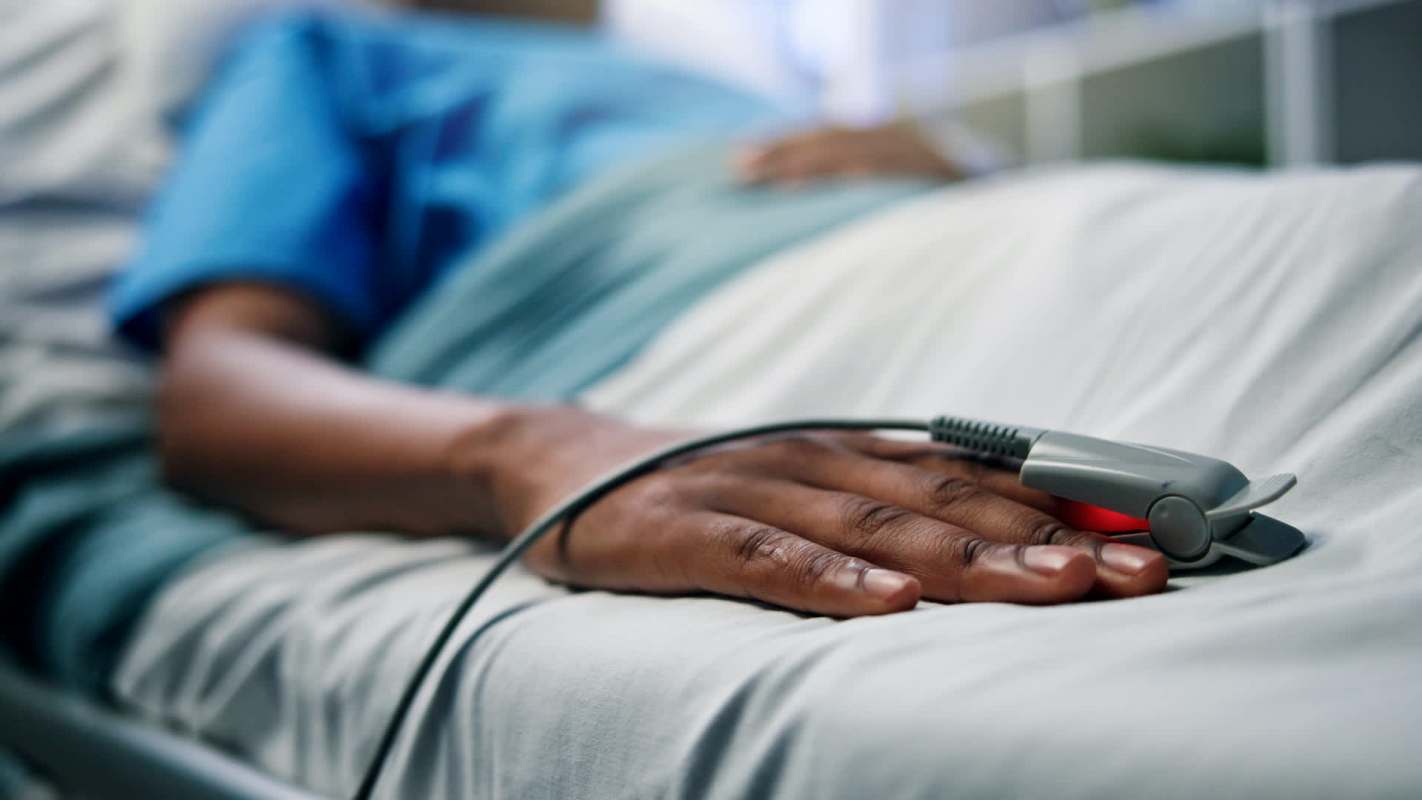
Fighting and unpaid wages are hindering efforts to contain the deadliest Ebola outbreak in the Democratic Republic of Congo's history, with 5,387 deaths reported.
Health workers face violence, while strikes have halted some screening operations, adding to the pressure on an already strained health system.
Here's what to know
The country declared its 17th Ebola outbreak in May, and it has become the fastest-growing on record. Government figures show 11,042 cases, with almost half of those infected dying, Euronews reported.
The 2018 outbreak took roughly 235 days to reach 1,000 confirmed infections. This outbreak passed that mark just 40 days after the response began. What makes the situation worse is that containment teams must contend with poor roads and armed conflict while working within a health system in crisis.
Health authorities have called for a halt to fighting so medical teams can reach patients unhindered. The appeal follows renewed armed group violence in Ituri and North Kivu, the outbreak's two main hotspots.
More background
Screening operations have stopped at airports, river ports, municipal boundaries, and many checkpoints along transport routes. The Health Ministry says worker strikes and unpaid salaries have prevented essential facilities from operating in several regions, Euronews reported.
TCD Picks » Quince Spotlight
💡These best-sellers from Quince deliver affordable, sustainable luxury for all




Fewer people are visiting health facilities, while false rumors, refusals of screenings, and resistance to safe burial practices are hampering the response. The ministry identified these problems as expressions of mistrust, a major barrier to containing the outbreak.
Mistrust in some communities has fueled attacks on medical workers and health facilities. Several response points have closed, including in Ituri, the outbreak's epicenter.
What's being done?
Several trials are underway as researchers work to develop vaccines against the Bundibugyo virus that has caused the outbreak, while efforts to restore access to affected communities continue. The virus currently has no approved vaccine or treatment.
Oxford University and the Serum Institute of India have jointly developed one vaccine candidate backed by the World Health Organization. The agency has also supported a separate candidate from Moderna.
International partners, including the World Health Organization, will support the vaccine trial led by the Democratic Republic of Congo's National Institute for Biomedical Research.
Where can I learn more?
Preventing infections and getting care to those who need it are challenges that extend well beyond Congo's Ebola response. These stories cover vaccination efforts in Bangladesh and U.S. disease outbreaks.
• Bangladesh is racing to vaccinate 19.7 million children as measles and dengue strain healthcare.
• In Florida, Hillsborough County's dengue cases reached 223, with many infections going unnoticed.
• New York reported its first measles death in 30 years as cases rise in communities with low vaccination rates.
• Washington reported a bird flu death as 33 dairy herds tested positive for infection.

Get TCD's free newsletters for easy tips, smart advice, and a chance to earn $5,000 toward home upgrades. To see more stories like this one, change your Google preferences here.






