


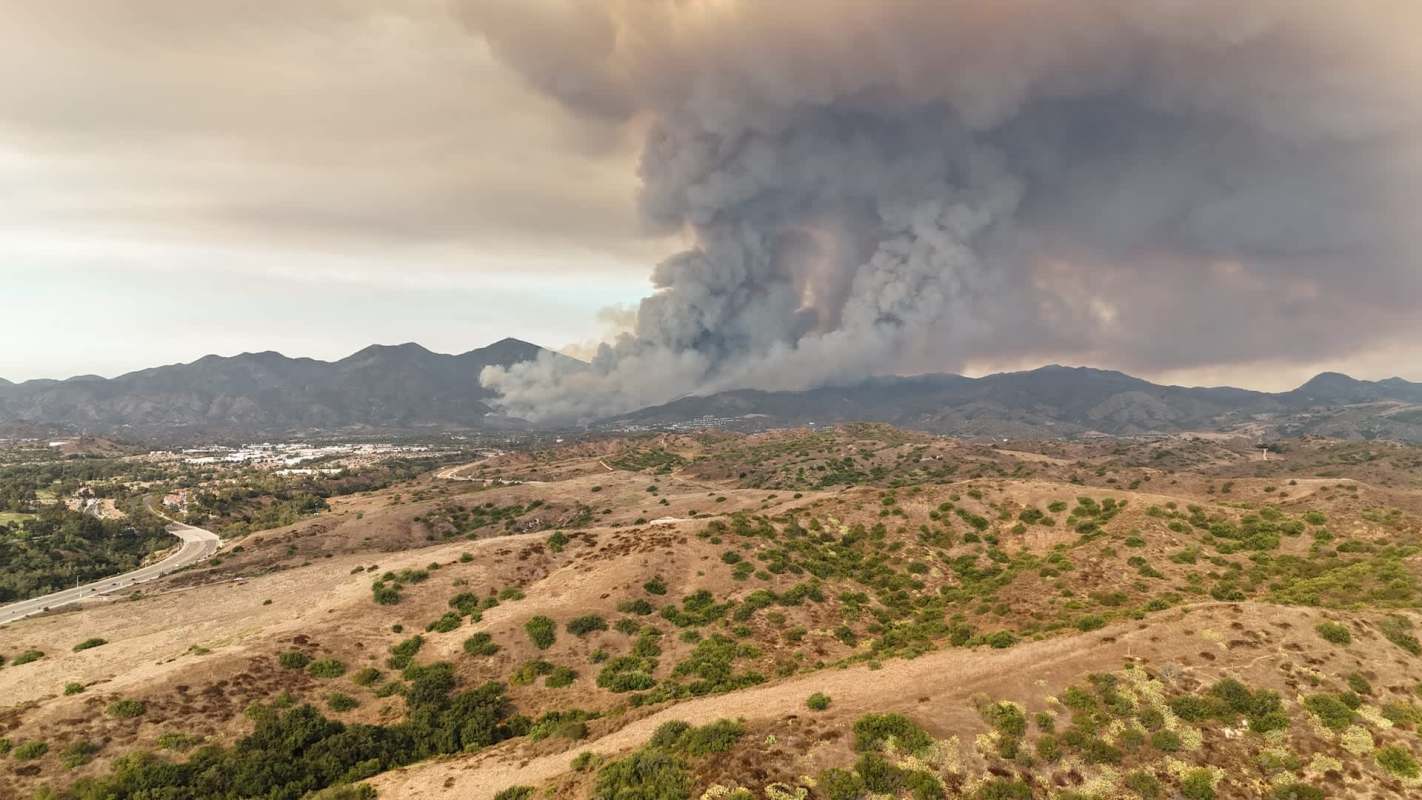
A California researcher has turned a close call with wildfire into an affordable household plan for home protection and emergency preparedness.
Here's what to know
The researcher, Tim Magee, recalled in Resilience that friends nearby were evacuating while he and his wife gathered important documents.
A shift in the wind spared their home. But the Bridge Fire burned 56,000 acres of the Angeles National Forest and destroyed 81 structures, including 20 homes and historic cabins in Mount Baldy Village.
"Quite frankly, we weren't prepared," Magee wrote.
Families can work through his 12-step plan over 12 months to five years, adjusting the pace to their schedules and finances. He created it after the wildfire scare to combine emergency preparation with affordable home improvements.
According to National Interagency Fire Center figures cited in the article, the United States had recorded more than 64,000 wildfires by mid-October 2026, with the burned area exceeding 9 million acres.
TCD Picks » Quince Spotlight
💡These best-sellers from Quince deliver affordable, sustainable luxury for all




More background
Those figures exceeded the preceding 10-year average for that point in the year by 32% for fire counts and 43% for acreage burned, per the National Interagency Fire Center.
Windblown embers threaten homes by collecting in gutters, on decks, and along eaves, where they can ignite materials before the wildfire's flames reach the property. Seasonal cleaning of these areas is among the plan's low-cost priorities.
The first five feet around a house should be cleared of leaves, woodpiles, furniture, weeds, and trash cans, according to Magee. Bare dirt works as effectively as more expensive gravel.
Between five and 30 feet from the home, the plan calls for keeping grass short, spacing and trimming vegetation, and removing overhanging branches.
Attached wooden fences, gates, and arbors can carry flames directly to a house.
What can be done?
The plan recommends starting with a property walk-through using the Insurance Institute for Business & Home Safety's assessment worksheet. Homeowners can then rank projects according to their impact, time requirements, and cost.
Screening vents against embers, sealing gaps around doors, windows, and siding, and replacing or removing flammable attachments can help address potential hazards.
For emergency preparation, the International Association of Fire Chiefs' "Ready, Set, Go! Your Personal Wildfire Action Guide" can help families create a printed evacuation plan with routes, meeting points, and emergency contacts.
Each person should also have an accessible go bag containing water, food, medications, clothing, cash, and a charger. A separate grab-and-go document box should hold identification, insurance policies, and other essential records.
For more expensive roofing, siding, or window upgrades, the plan suggests exploring contractor financing or a bank home-improvement loan. Magee noted that some projects may need a landscaping or carpentry professional, while homeowners can complete smaller jobs themselves.
Where can I learn more?
As the risk of wildfires grows worldwide, choosing wildfire upgrades also means figuring out how to pay for them.
• California is offering low-interest wildfire loans to homeowners priced out of protective upgrades.
• About 40 insurers offer a free fire-risk monitor and up to $1,000 for qualifying repairs.
• In Colorado, wildfire-ready homes may raise new-home construction costs by 0.6% to 10.8%.

Get TCD's free newsletters for easy tips, smart advice, and a chance to earn $5,000 toward home upgrades. To see more stories like this one, change your Google preferences here.






