


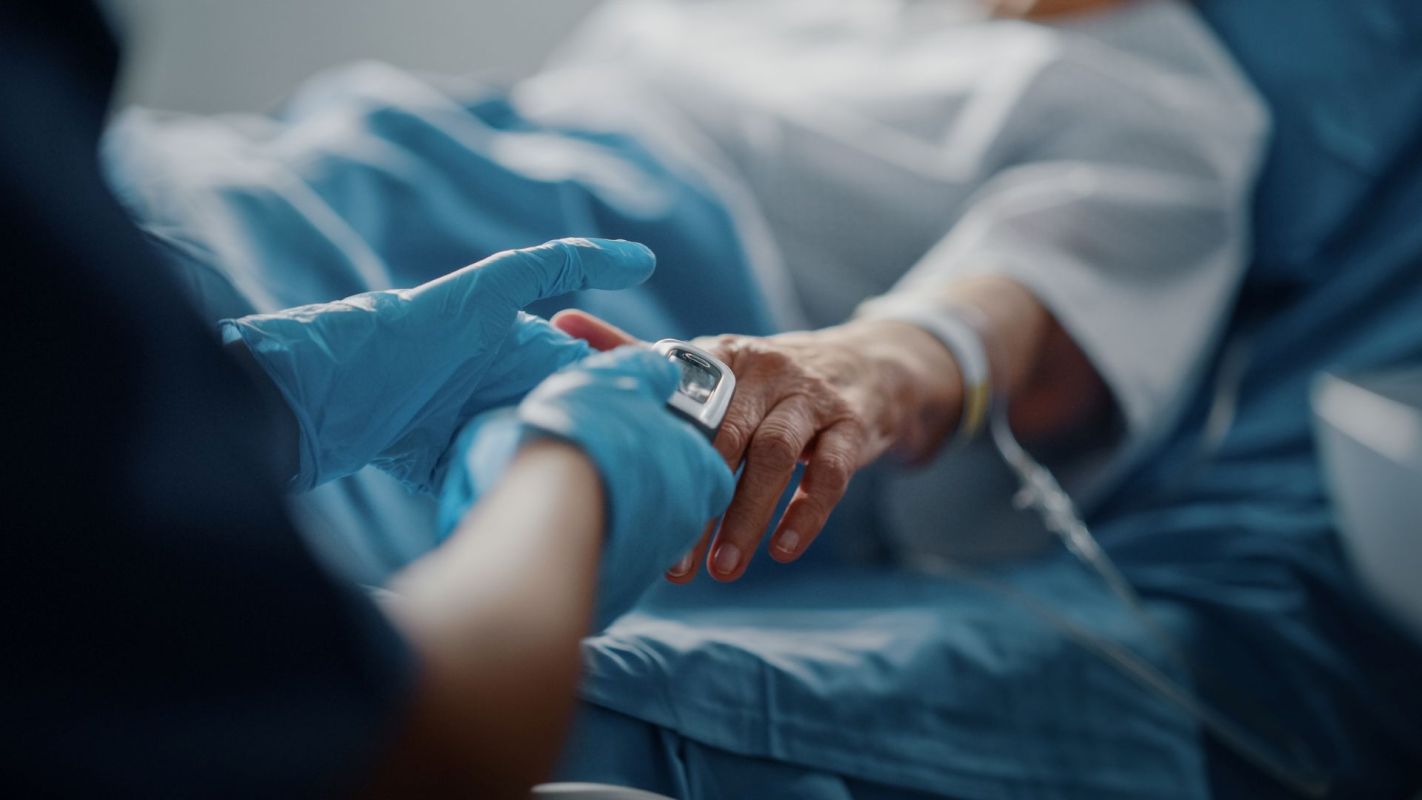
A hospital-system study linked housing assistance for New Yorkers experiencing homelessness with reduced hospital use.
Here's what to know
During the first two years after 259 participants were housed, inpatient stays decreased 36%, and emergency department visits fell about 40%, according to Gothamist.
The patients had moved into apartments or supportive housing. NYC Health and Hospitals and its insurance subsidiary, MetroPlusHealth, tracked their Medicaid claims.
Healthcare spending averaged nearly $17,000 less per participant over the first two years after placement. Wakely Consulting Group helped conduct the study.
Participants appeared to be receiving more preventive care rather than relying as heavily on emergency departments and hospital admissions. Their spending on physician appointments and other non-emergency services, including substance use treatment, increased.
After housing placement, participants spent an average of five days a year in the hospital, half the 10-day average recorded beforehand.
TCD Picks » Quince Spotlight
💡These best-sellers from Quince deliver affordable, sustainable luxury for all




More background
The largest savings came from inpatient care, with average monthly spending per participant falling from $1,278 before housing placement to a first-year monthly average of $492 after placement, Gothamist reported.
Researchers also compared participants with MetroPlusHealth members who had similarly high healthcare spending and service use at the outset but remained without housing.
Over time, costs for the newly housed participants fell below those of the comparison group while remaining at least as high as those of MetroPlusHealth's broader membership for those experiencing homelessness overall.
Many unhoused or unstably housed patients repeatedly visit emergency departments or require inpatient treatment. The public hospital system serves more than 60,000 such patients annually, making the findings particularly important.
What's being done?
Permanent housing placements like those examined in the study are one component of the Adams administration's Housing for Health program. NYC Health and Hospitals is expanding its housing work through that program, according to Gothamist.
The hospital system is also developing supportive housing on property it owns.
The system is creating transitional housing for patients leaving inpatient care without a place to live. Those options are intended to close a gap in care after discharge.
"We have to think about our robust patient population that experiences homelessness," Leora Jontef, who heads the Housing for Health program at NYC Health and Hospitals, said, according to Gothamist. "This patient population is sicker than housed New Yorkers."
Where can I learn more?
Other communities are also using housing assistance to help people find stable places to live.
• Bakersfield officials say their $1.9 million homelessness program is trending in the right direction.
• In Lowell, Massachusetts, a $7 million women's shelter will spare 50 women daily bed searches.
• Austin's Community First Village pairs $350-a-month tiny homes with efforts to break homelessness's cycle.

Get TCD's free newsletters for easy tips, smart advice, and a chance to earn $5,000 toward home upgrades. To see more stories like this one, change your Google preferences here.






