


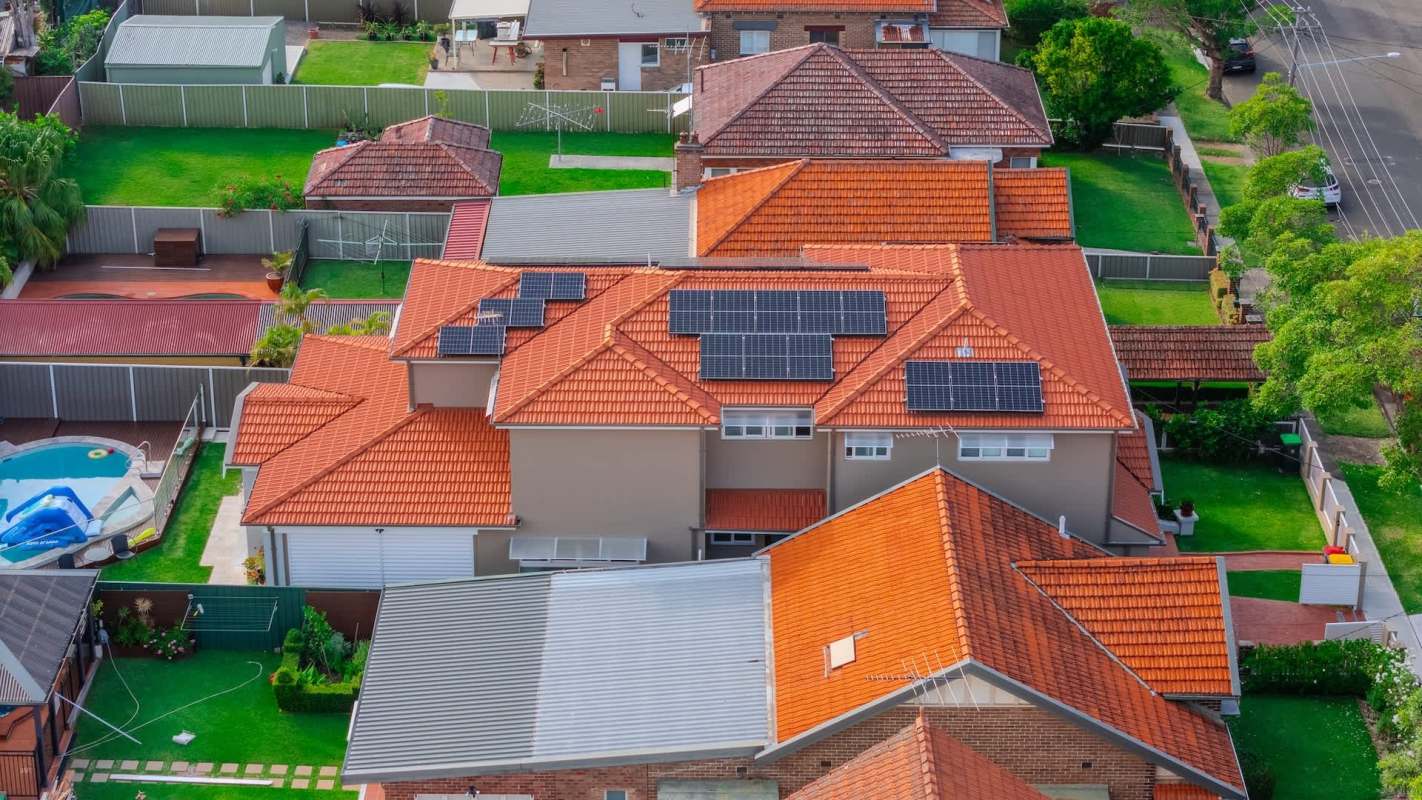
Renters in Australia's New South Wales can now access new rooftop solar discounts worth up to $4,000 ($2,722) with their landlord's permission, according to RenewEconomy.
Here's what to know
Homeowners and renters can now qualify for Home Energy Saver discounts if they hold an eligible concession card or have a combined annual household income of $80,000 ($54,400) or less before tax.
Double glazing and ceiling insulation qualify, along with home batteries, stovetops, and electric water-heating systems.
These upgrades can help households use energy more efficiently and retain it within their homes.
Discounts account for $77 million ($52.4 million) of the Minns Labor government's $557 million ($393 million) Home Energy Saver program, with the other $480 million ($327 million) reserved for zero-interest loans.
Residential solar can lower electricity costs, and $0-upfront solar leases can offer savings of hundreds of dollars per month, depending on the household and agreement. EasyHome's free explorer tool helps households estimate their potential savings and find vetted local installers.
More background
Around 15,000 households have used the initiative's zero-interest loans, which offer up to $15,000 ($10,200) for upgrades, per RenewEconomy.
This separate financing option launched in June, before the discounts were introduced.
Crushed by your bills? See instant solar savings from vetted installers in just a few clicks With energy prices through the roof, there's never been a better time to go solar — and EasyHome can help you find the best prices from the best installers in your area. EasyHome takes the guesswork and headaches out of energy upgrades by showing you estimated savings from a network of vetted local partners. To get started, just enter your ZIP and share a few details about your home — seeing your estimate is really that easy. |

Households borrowing through the program face a combined annual income limit of $150,000 ($102,072), rather than $210,000 ($143,000).
The government reduced the cap in response to strong demand.
The government says the program is supporting jobs at more than 700 New South Wales installation businesses and suppliers. That includes many small businesses.
The initiative also seeks to reduce greenhouse gas emissions while making homes more comfortable and lowering household bills.
What can be done?
Applications are available through the New South Wales government's website, giving tenants a specific upgrade proposal to discuss with their property owner.
Douglas McCloskey, program director for water and energy at the Justice and Equity Centre, described the impact of affordable energy on households in New South Wales.
"Particularly in a period of rising cost-of-living stress, this program stands to make a lasting difference for households struggling to afford the energy they need to run a healthy home."
Batteries are among the eligible upgrades; EasyHome offers battery options for households considering how storage fits their plans. Pairing solar with a suitable battery can manage electricity costs and provide backup power during outages, depending on the equipment.
"These discounts will help more households make their homes cheaper to run and more comfortable year-round," said New South Wales Energy Minister Penny Sharpe.
Where can I learn more?
Renters outside New South Wales also face barriers to solar savings. These stories cover renter-focused solar policies and technology in the United States and United Kingdom.
• California passed a plug-in solar bill that could save renters up to $450 annually.
• New Jersey could offer renters plug-in solar rebates worth $1,000 under proposed legislation.
• UK tenants can earn up to $211 annually through shared solar without indoor equipment.

Get TCD's free newsletters for easy tips, smart advice, and a chance to earn $5,000 toward home upgrades. To see more stories like this one, change your Google preferences here.






