


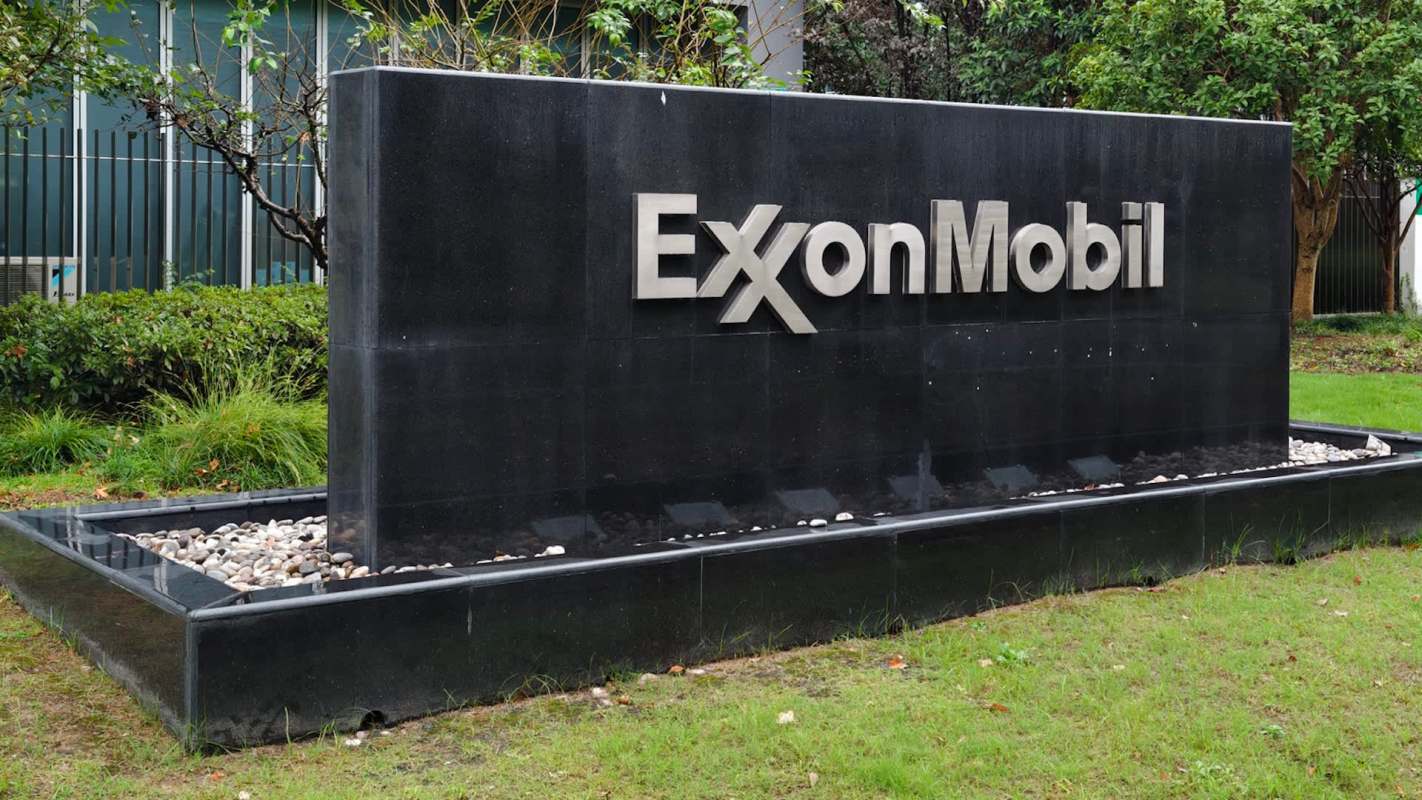
ExxonMobil hasn't committed to new oil exploration or production through its agreement with Venezuela's state oil company. It's weighing a return to the country after almost 20 years away.
Here's what to know
ExxonMobil and Petróleos de Venezuela agreed to evaluate possible Venezuelan oil projects through a memorandum of understanding signed Monday, according to Inspenet.
ExxonMobil hasn't named any locations for review, so the potential scope of future operations remains uncertain. The nonbinding agreement sets out a preliminary assessment of projects.
Venezuela wants major international oil companies to return to its crude sector, and the signing marks a step toward mending ties.
More background
Venezuela's state broadcaster, VTV, aired the signing ceremony. Interim President Delcy Rodríguez greeted ExxonMobil at the event, according to Inspenet.
Rodríguez said Venezuela seeks a relationship that benefits both its population and the participating companies. She expressed hope that the memorandum would lead to concrete agreements.
TCD Picks » Quince Spotlight
💡These best-sellers from Quince deliver affordable, sustainable luxury for all




Extracting, producing, and burning coal, oil, and gas contribute to air and water pollution linked to asthma, heart disease, cancer, and premature death. The resulting heat-trapping pollution also worsens extreme weather disasters that destroy homes, livelihoods, and local economies.
Outside of these health and environmental risks, the broader industry leaves households exposed to high energy costs while corporate profits soar. Its lobbying also delays cleaner, cheaper energy solutions.
Renewed oil investment in Venezuela calls for accountability along with a phase-out of oil, gas, and coal that prioritizes workers and communities.
What's being done?
ExxonMobil has said it needs safeguards for its investments and prospects for competitive returns as well as stable government policies and clear regulations before investing, according to Inspenet.
ExxonMobil CEO Darren Woods indicated that the company would review investment conditions before committing to return. He had acknowledged improvements in Venezuela's tax and legal environment.
Rodríguez said a business relationship needs legal certainty and favorable conditions for operations.
Before any operations move forward, ExxonMobil and PDVSA would still need to settle formal joint venture or production-sharing contracts, according to Inspenet.
Where can I learn more?
These stories also explore the industry.
• Colorado's effort to make Exxon and Suncor pay for climate damage reaches the Supreme Court.
• Shell expects its refining margin to jump to $42 a barrel, signaling strong earnings.
• In Texas, experts warn Trump's proposed diesel export ban could cut supply and hit refineries.
• Spain caps gas price hikes at 15% and extends fuel relief amid energy-market turmoil.
• El Paso residents seek answers from Marathon after 15 tons of refinery pollutants.

Get TCD's free newsletters for easy tips, smart advice, and a chance to earn $5,000 toward home upgrades. To see more stories like this one, change your Google preferences here.






