


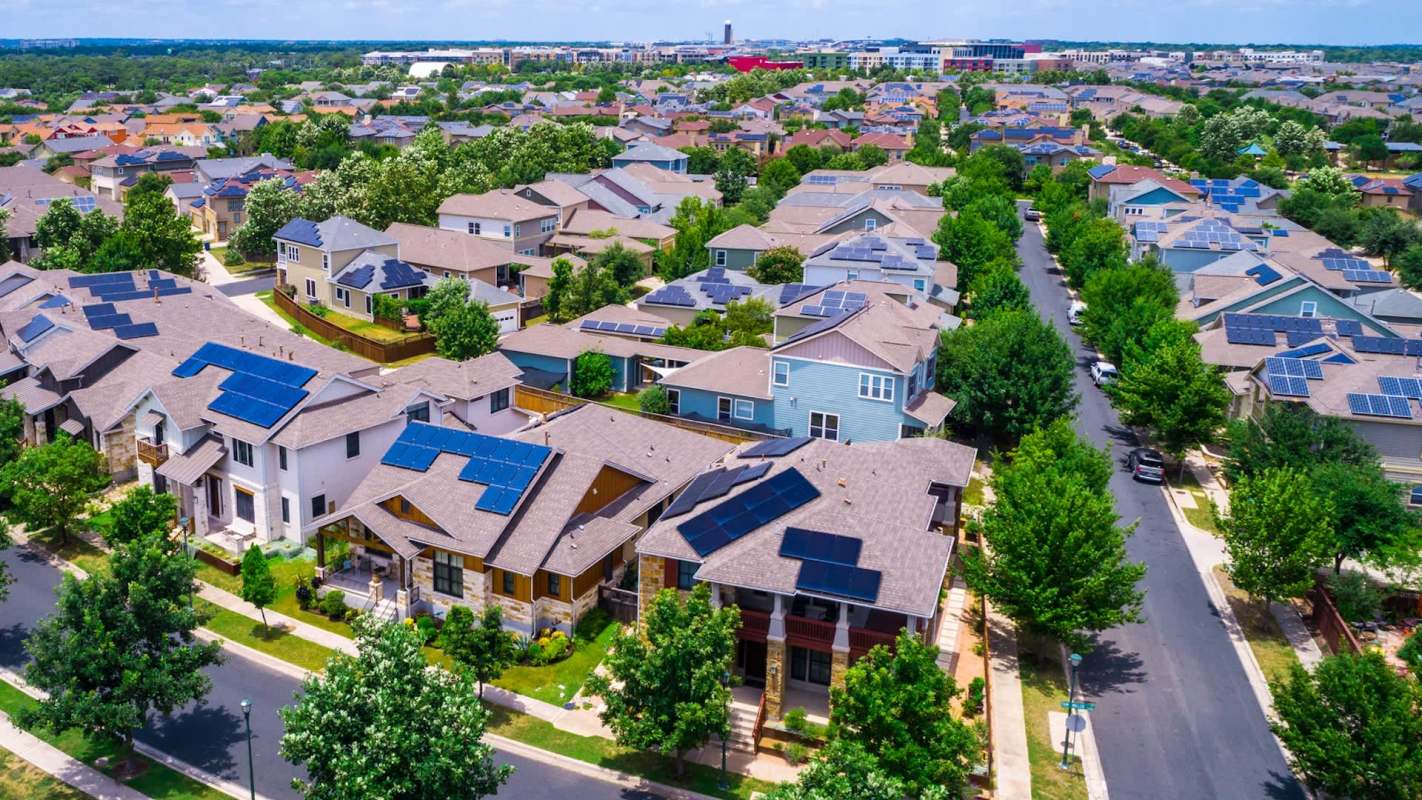
A study on how local energy resources could reduce strain on the United States grid found that households could see inflation-adjusted electricity bills rise by only about half as much as projected through 2050 with wider use of solar panels, home batteries, and smarter electric vehicle charging.
Here's what to know
The Brattle Group's research for The Pew Charitable Trusts modeled what would happen if nationwide adoption of these technologies reached rates seen in top-performing U.S. markets. The resulting power-system savings could reach $614 billion by 2050, EnergyTech reported.
Known as distributed energy resources, these technologies serve homes, businesses, and industrial customers close to where electricity is used. With wider adoption, average household electricity bills could be $122 lower annually by 2050.
According to The Brattle Group, removing policy barriers could more than quadruple the country's distributed energy capacity, adding over 400 gigawatts by 2050. That amounts to about a third of U.S. generating capacity.
For homeowners, residential solar could reduce electricity spending, with some $0-upfront leases potentially delivering hundreds of dollars in monthly savings, depending on the household and agreement. EasyHome offers a free explorer tool to estimate possible savings and find vetted local installers.
More background
The findings come as demand from artificial intelligence, data centers, manufacturing, and electrification puts growing pressure on the power system. Meanwhile, infrastructure costs are rising, and development timelines are stretching.
Infrastructure upgrades and distributed energy projects could receive $1.4 trillion through 2030 under U.S. utilities' spending proposals, according to EnergyTech.
Building to meet uncertain demand carries financial risks. If electricity demand falls short of expectations, greater reliance on distributed resources could reduce the cost of overbuilding infrastructure by $33 billion, or 40%, between 2030 and 2040, the study found.
Crushed by your bills? See instant solar savings from vetted installers in just a few clicks With energy prices through the roof, there's never been a better time to go solar — and EasyHome can help you find the best prices from the best installers in your area. EasyHome takes the guesswork and headaches out of energy upgrades by showing you estimated savings from a network of vetted local partners. To get started, just enter your ZIP and share a few details about your home — seeing your estimate is really that easy. |

The study estimated that wider deployment could avoid projected new gas capacity totaling about 70 gigawatts — equivalent to 175 gas-fired plants. Wider deployment could also cut the power sector's cumulative carbon dioxide output by an estimated 3% through 2050.
What's being done?
To support its growing renewable energy portfolio, Colorado's community-owned Platte River Power Authority is working with software company EnergyHub on plans to expand virtual power plants, according to EnergyTech.
Virtual power plants can curb demand when needed or supply excess electricity to the grid by coordinating devices such as local batteries. Participating customers can receive direct compensation for those services.
Local batteries would provide roughly 105 gigawatts of storage that would otherwise be assigned to centralized projects in the Brattle study's scenario. Distributed energy resource management systems would coordinate those batteries, giving utilities greater flexibility close to the customers they serve.
For households exploring that approach, EasyHome also offers options for exploring battery storage alongside solar. Pairing the two can help manage electricity costs by storing solar energy for later use while providing backup power during outages, depending on the system's configuration.
Maureen Quinlan, who heads Pew's grid decarbonization efforts, emphasized the potential benefits of removing barriers to these technologies.
"This report underscores how pragmatic policy changes that enable DER technology can save billions, cut emissions and help build a more affordable, reliable and flexible grid that meets today's and tomorrow's energy needs," she said, as reported by EnergyTech.
Where can I learn more?
Households are already using solar panels and home batteries to lower their electricity costs.
• In the United Kingdom, home solar and batteries cut electricity bills by 62%.
• After solar export rates dropped, homeowners pointed to batteries to preserve savings.
• In Maine, a homeowner reported $28 power bills using solar and heat pumps.

Get TCD's free newsletters for easy tips, smart advice, and a chance to earn $5,000 toward home upgrades. To see more stories like this one, change your Google preferences here.






