


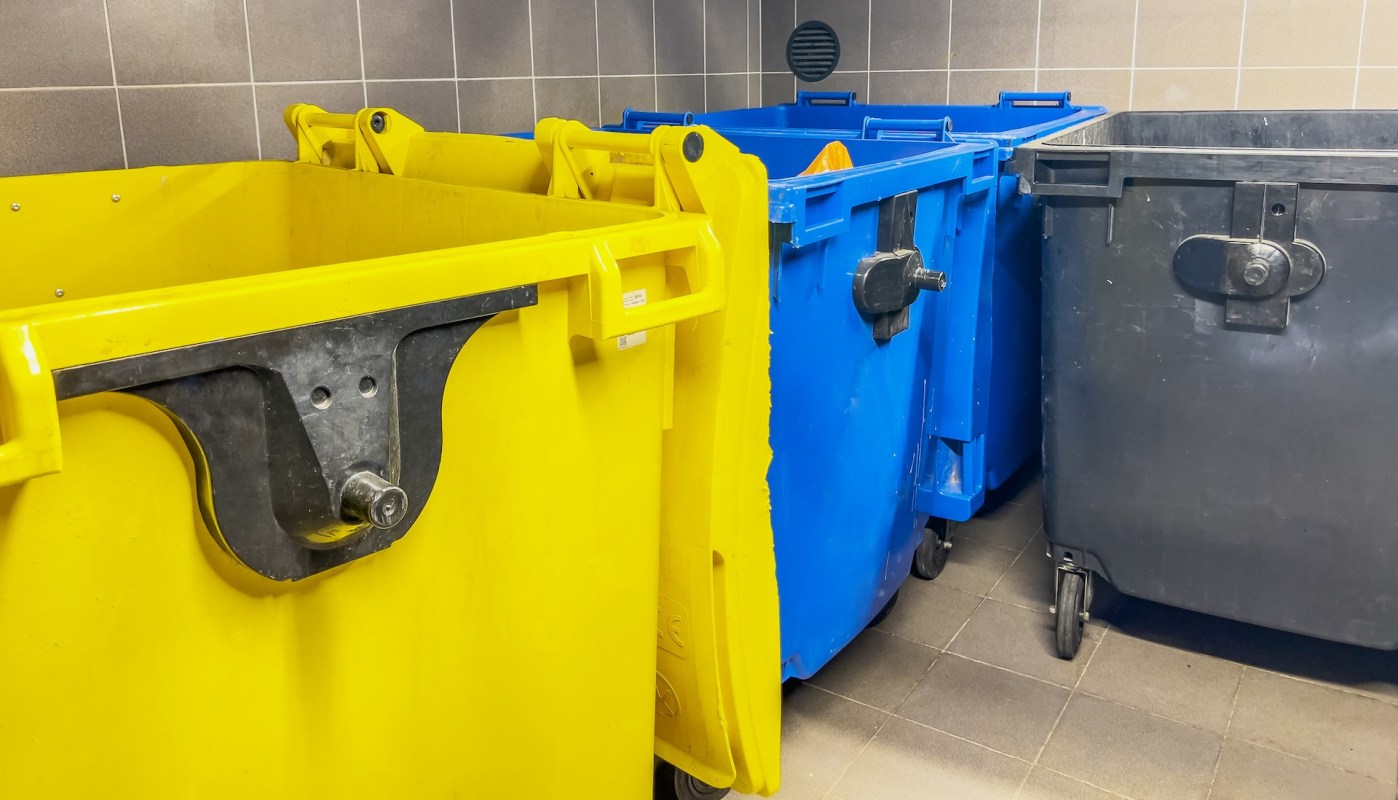
Putting recyclables in a plastic trash bag may seem harmless, but it can send the entire bundle to a landfill.
Here's what to know
The Recycling Partnership's State of Recycling report estimates that improper disposal ruins 43% of recyclable material, with plastic bags among the biggest problems, according to Fox 29.
Public spaces and stadiums also struggle with recycling contamination, with rates ranging from 30% to 50%, according to the report.
At material recovery facilities, workers face time and safety constraints when opening sealed bags on rapidly moving conveyor belts. As a result, a tied bag filled with otherwise recyclable containers can be treated as household trash.
Loose bags pose another challenge. They get tangled around sorting equipment's gears and screens, forcing facilities to stop operations while workers manually cut them away.
Research by The Recycling Partnership places plastic bags in the top five contaminants identified by cities and sorting facilities.
TCD Picks » Quince Spotlight
💡These best-sellers from Quince deliver affordable, sustainable luxury for all




More background
Beyond sending recyclable materials to landfills, contamination can leave apartment complexes, corporate campuses, and public venues facing additional costs.
According to Fox 29, commercial haulers may add contamination penalties to monthly invoices, charging $50 to $100 per ton of contaminated waste.
In some cases, a load never reaches the sorting equipment. If a collection crew finds enough plastic bags or food waste in a dumpster, it may reject the load as contaminated and send it directly to a landfill or incinerator.
Food and liquids can also soak nearby paper and cardboard, making those materials unusable once they rot or become saturated with grease.
Discarded lithium batteries can spark fires in hauling trucks and processing facilities, while broken furniture and other household objects can damage sorting machinery.
What can be done?
Residents carrying recyclables to a shared dumpster can empty the recyclables into the bin instead of tossing them in a tied bag.
Building maintenance teams may also need to step in when contamination persists. According to Fox 29, haulers sometimes refuse collection and mark the bin with a bright sticker, leaving staff to manually remove the trash before the dumpster can be emptied.
Where can I learn more?
Recycling contamination can mean extra fees for residents and safety risks for workers. These stories cover condo fines, missing apartment bins, hazardous needles, automated sorting, and expanded recycling rules.
• A California condo HOA faces recycling contamination fines as residents ignore signs, emails, and cameras.
• In Malden, Massachusetts, a renter saw recycling bins disappear, then learned the hauler doesn't sort waste.
• In the UK, discarded weight-loss needles leave injured recycling workers waiting months for test results.
• At Massachusetts' Gillette Stadium, an AI recycling sorter recovered 479,000 recyclables across seven events.
• In Calgary, expanded blue-cart recycling rules now allow snack wrappers, foam trays, and toothpaste tubes.

Get TCD's free newsletters for easy tips, smart advice, and a chance to earn $5,000 toward home upgrades. To see more stories like this one, change your Google preferences here.






