


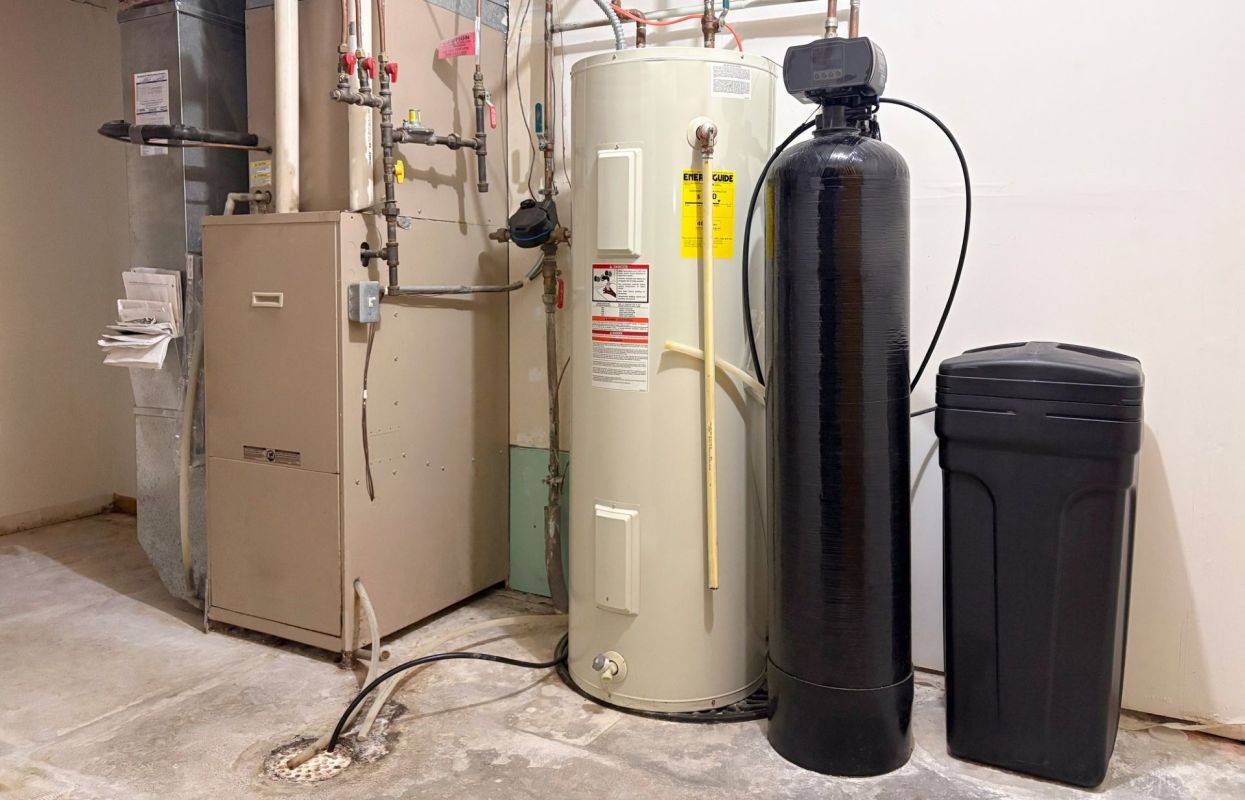
An intense smell from a 25-year-old furnace left a parent of three concerned about turning on the heat, prompting fellow homeowners to offer advice on maintenance and carbon monoxide safety.
Here's what to know
A parent with a newborn, a toddler, and an asthmatic child turned to Reddit's r/homeowners community to ask whether their aging furnace was safe to use. The family had moved into the home and welcomed a newborn.
The parent remained hesitant to use the furnace despite a reassuring inspection. A service company had checked the heating equipment as part of the purchase negotiations.
"They said it was fine, but I'm paranoid about carbon monoxide given all of my super small children," they wrote.
Several commenters urged the parent to check that their carbon monoxide detectors worked and suggested that the startup smell could come from dust burning off. The original poster's mom also reassured them that the smell was normal for the first use of the season.
For homeowners weighing an eventual replacement, Palmetto helps compare efficient HVAC and heat-pump solutions and find vetted installers through its Comfort Plan network.
More background
The parent also asked whether the home's existing detectors offered enough protection: "We have the combo ones on the ceiling upstairs only. Will that still detect the CO?"
A user reassured them they still would. Other users advised periodically testing the detectors and placing them on every level of the home.
Crushed by your bills? See instant solar savings from vetted installers in just a few clicks With energy prices through the roof, there's never been a better time to go solar — and EasyHome can help you find the best prices from the best installers in your area. EasyHome takes the guesswork and headaches out of energy upgrades by showing you estimated savings from a network of vetted local partners. To get started, just enter your ZIP and share a few details about your home — seeing your estimate is really that easy. |

One commenter suggested identifying an emergency repair company and arranging somewhere for the family to stay if repairs took a day or two. They warned that an older furnace could fail during a cold snap, leaving the household without heat.
For households planning ahead, efficient heating and cooling upgrades can help manage energy spending and exposure to higher prices. Palmetto's Comfort Plan offers $0-down options and states potential heating and cooling cost reductions of up to 50%. Palmetto Comfort Plans also include 12 years of free maintenance.
What can be done?
The forum's first piece of advice was for the original poster to take a step back and relax.
"It is pretty normal for there to be a smell when you first turn the furnace on for the season," one explained. "You have already had your furnace looked at, so I would try to relax."
Once they had done that, commenters recommended following up the purchase inspection with annual furnace cleaning and servicing to keep the equipment maintained.
One suggested checking the furnace's service tag for its maintenance history. Another recommended scheduling regular air filter changes and keeping replacement filters available.
A different commenter advised getting everyone out of the home and contacting the fire department if an alarm sounds. They also recommended testing the detectors.
Another commenter noted that electric heating does not produce carbon monoxide and asked whether the furnace ran on gas or electricity.
For homeowners eventually choosing efficient electric HVAC, pairing it with solar can further help manage utility spending and make the home more self-reliant. EasyHome offers a solar comparison shopping tool to help homeowners assess installation offers and make sure they get the best deal.
Where can I learn more?
Other homeowners have faced similar questions about furnace safety and carbon monoxide.
• A New York fire official urged furnace checks and CO detectors before the first cold snap.
• A Wisconsin renter concerned about furnace rust received a low-level carbon monoxide detector instead of replacement equipment.
• An Ohio HVAC technician discovered a furnace blowing exhaust fumes indoors after installation by the homeowner's nephew.
• A homeowner discovered a loose furnace flue after AC work and was warned against running the heat.

Get TCD's free newsletters for easy tips, smart advice, and a chance to earn $5,000 toward home upgrades. To see more stories like this one, change your Google preferences here.






