


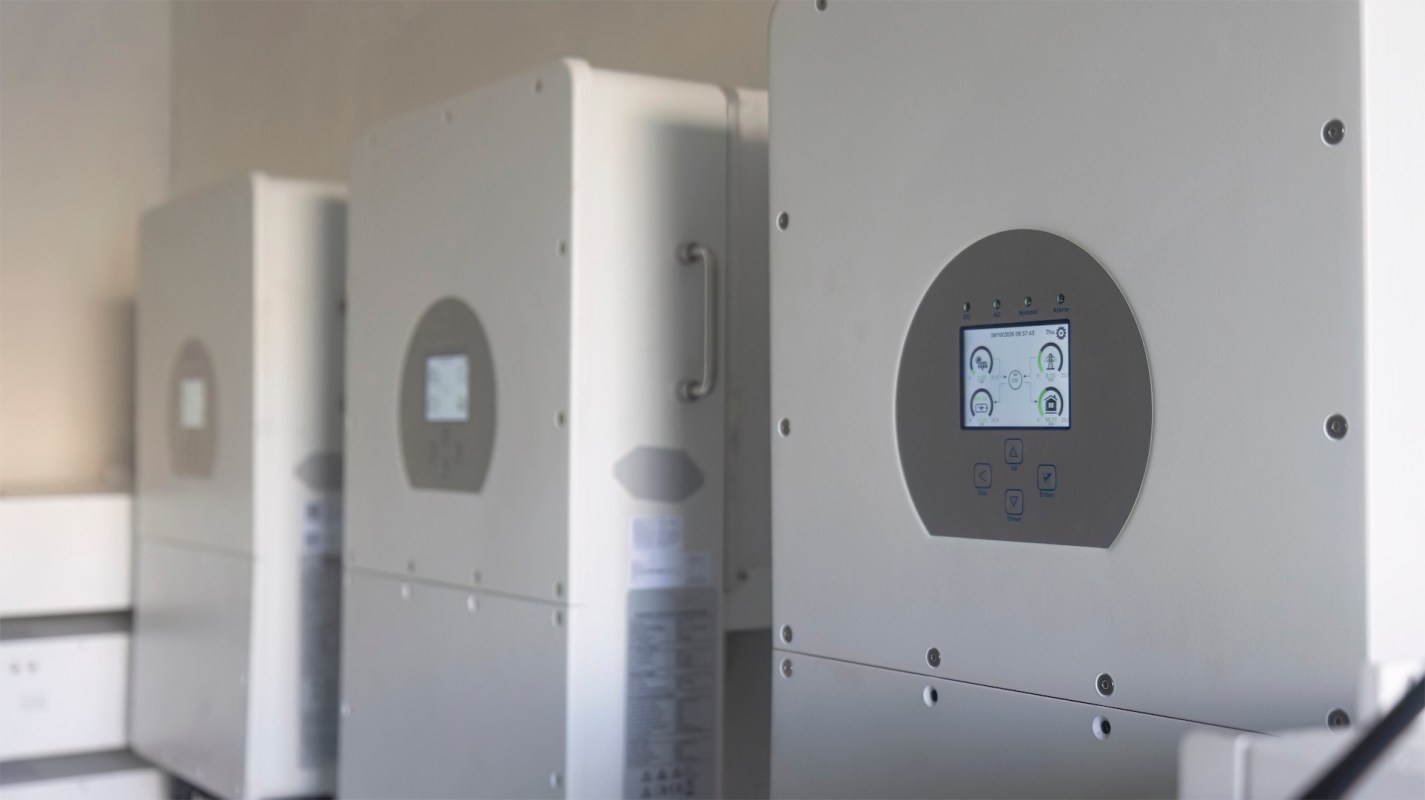
Electricity was flowing to the grid instead of charging a California homeowner's solar batteries, creating an unexpected problem after the November daylight-saving clock change.
Here's what to know
In a Reddit post, the solar-system owner described efforts to restore battery charging in self-consumption mode, which allows the household to store solar electricity rather than export it to the grid.
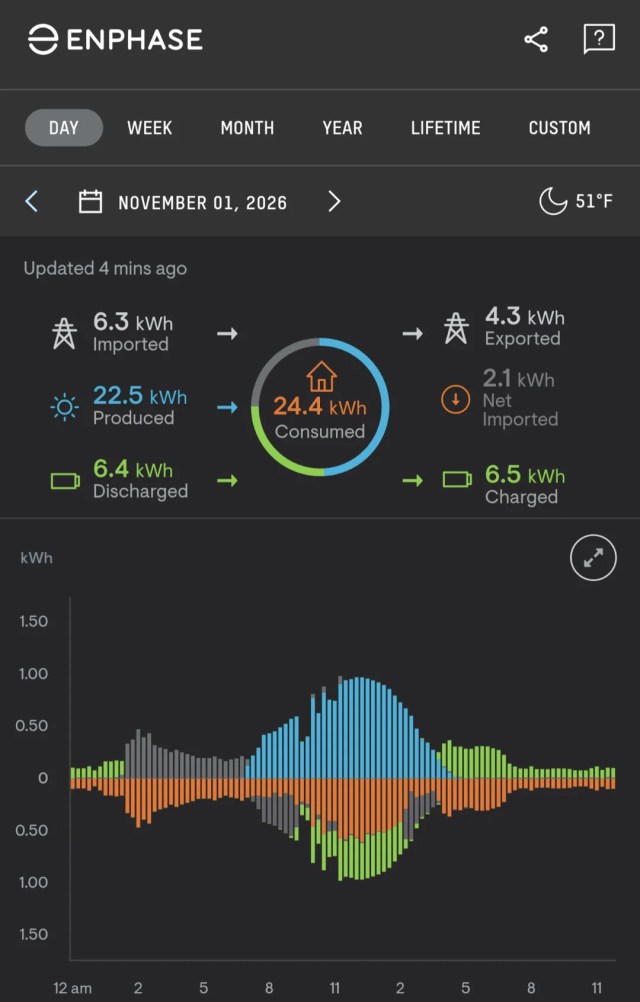
Outdated grid settings on the microinverters were the cause, and the homeowner found an updated option.
"The installer app has drop down auto recommendations based on your State," they told a commenter. "For California, it was CA Rule21 2025-08. I had 2019 CA Rule"
With the new profile in place, the homeowner could once again store solar electricity for use at home. That would allow them to tap into all its benefits again.
Residential solar can potentially lower electricity bills, and some households may save hundreds of dollars monthly through $0-upfront solar leases. EasyHome offers a free explorer tool to estimate possible savings and find vetted local installers.
More background
A grid-profile setting may change without the homeowner making the update themselves. Another commenter told the original poster they weren't alone.
"I have found that even with the latest tariff, there can be hiccups at season change or on monthly boundaries," they wrote.
Crushed by your bills? See instant solar savings from vetted installers in just a few clicks With energy prices through the roof, there's never been a better time to go solar — and EasyHome can help you find the best prices from the best installers in your area. EasyHome takes the guesswork and headaches out of energy upgrades by showing you estimated savings from a network of vetted local partners. To get started, just enter your ZIP and share a few details about your home — seeing your estimate is really that easy. |

One commenter said they found their system's profile had changed, though they "never had the guts to change it" in the past. When they recently looked, the grid profile had gone to the 2025 Rule just like the OP. That was a change from what it was at least a year ago when they had checked.
"Enphase must have updated it," they wrote. "Certainly wasn't my installer as they are out of business."
What can be done?
The original poster said users must sign up for Enphase courses to access the installer app, responding to a question about whether it was available to anyone. In their case, that was essential to resolving the issue by getting on an appropriate profile.
Another commenter described what can sometimes fix the issue during season changes or at the end of months.
"Reloading the tariff solves some of these issues even when already using the latest," they wrote. "Other times, rebooting the envoy is sufficient."
EasyHome includes battery-storage exploration options to help households assess that pairing. Combining solar and batteries can help manage electricity costs and provide backup power during outages, depending on the system's configuration.
Where can I learn more?
Other solar owners have run into unexpected grid exports and system readings that don't add up.
• A California Powerwall owner saw solar exported at 88%, with users pointing to Savings mode.
• A homeowner's 82-kWh solar reading raised concerns about years of possible solar system failure.
• A solar owner said a 2023 CT fix left monitoring data showing years of negative consumption.

Get TCD's free newsletters for easy tips, smart advice, and a chance to earn $5,000 toward home upgrades. To see more stories like this one, change your Google preferences here.






