


A heat pump can dramatically reduce heating and cooling costs compared to gas- or propane-powered HVAC systems, but correct installation is key.
Here's what to know
On Reddit, one homeowner said they bought more lineset than necessary, which left them with an avoidable storage problem. The installation, which took 3.5 hours with assistance from a friend, involved a 12,000-BTU, single-zone, 230-volt Hyper Heat system. They said connecting the lines proved to be the hardest step.
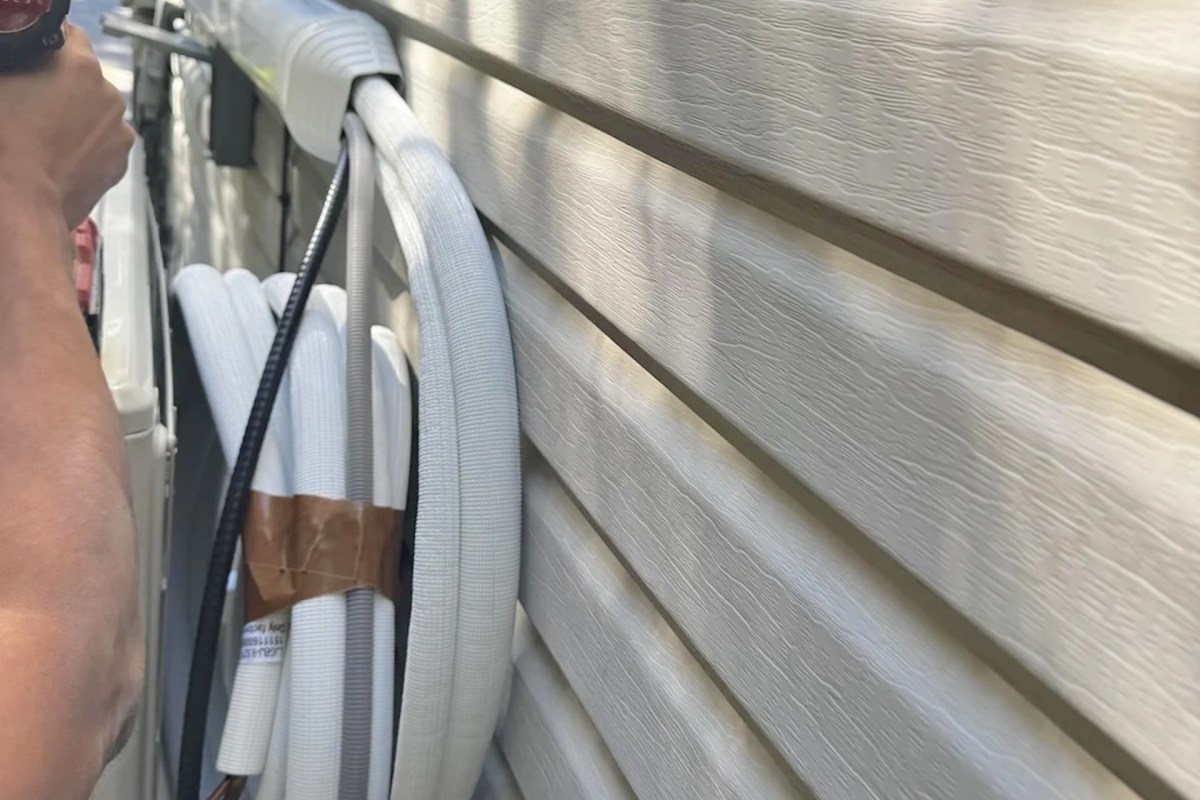
"I wish I would've properly measured required lineset length; got extra for no reason," they wrote. "I went with more to be cautious. Just bundled it up and put it behind the unit."
The homeowner said a drill bit was their only purchase beyond the system itself. They needed it to make the opening for the unit's connections.
The system worked fine, but they noted a five-minute wait before it delivered hot or cold air. A commenter explained that a delay protects the unit's compressor by keeping it from restarting right after a cycle.
For homeowners considering professional installation, Palmetto compares efficient HVAC and heat pump solutions and can help you find vetted installers through its Comfort Plan network.
More background
One commenter who owned multiple MRCOOL systems estimated professional installation was roughly $1,500 to $2,000 per unit, in addition to equipment costing $2,000 or more.
That commenter reported six years of good performance from four third-generation units, with three rated at 12,000 BTU and one at 18,000 BTU.
Crushed by your bills? See instant solar savings from vetted installers in just a few clicks With energy prices through the roof, there's never been a better time to go solar — and EasyHome can help you find the best prices from the best installers in your area. EasyHome takes the guesswork and headaches out of energy upgrades by showing you estimated savings from a network of vetted local partners. To get started, just enter your ZIP and share a few details about your home — seeing your estimate is really that easy. |

Coils of surplus factory lines near three condensers had caused no reported heating or cooling issues, and the commenter also described reliable online controls.
Beyond upfront costs, efficient heating and cooling upgrades can help households manage energy expenses and reduce their exposure to higher energy prices. Palmetto's Comfort Plan offers $0-down options and can cut heating and cooling bills by up to 50%. It also comes with 12 years of free maintenance to minimize costs further and prolong the life of your system.
What can be done?
The homeowner agreed to add UV-resistant tape after a commenter recommended it to shield exposed line insulation from sunlight. The original poster noted, however, that the installation side of the house received no direct sun.
A commenter shared guidance from MRCOOL support explaining that a licensed technician must handle any shortening of the precharged linesets, or they won't be covered by the warranty. The guidance also specified that any elevated coils of excess tubing must be arranged horizontally.
Pairing solar panels with an efficient electric HVAC system can further help manage utility spending and make a home more self-reliant. EasyHome offers a solar comparison shopping tool to help homeowners evaluate installation offers and make sure they get the best deal.
A vendor had also bundled excess lines when installing the original poster's other MRCOOL system.
"It still works like a charm, never had an issue," the OP said.

Get TCD's free newsletters for easy tips, smart advice, and a chance to earn $5,000 toward home upgrades. To see more stories like this one, change your Google preferences here.






