


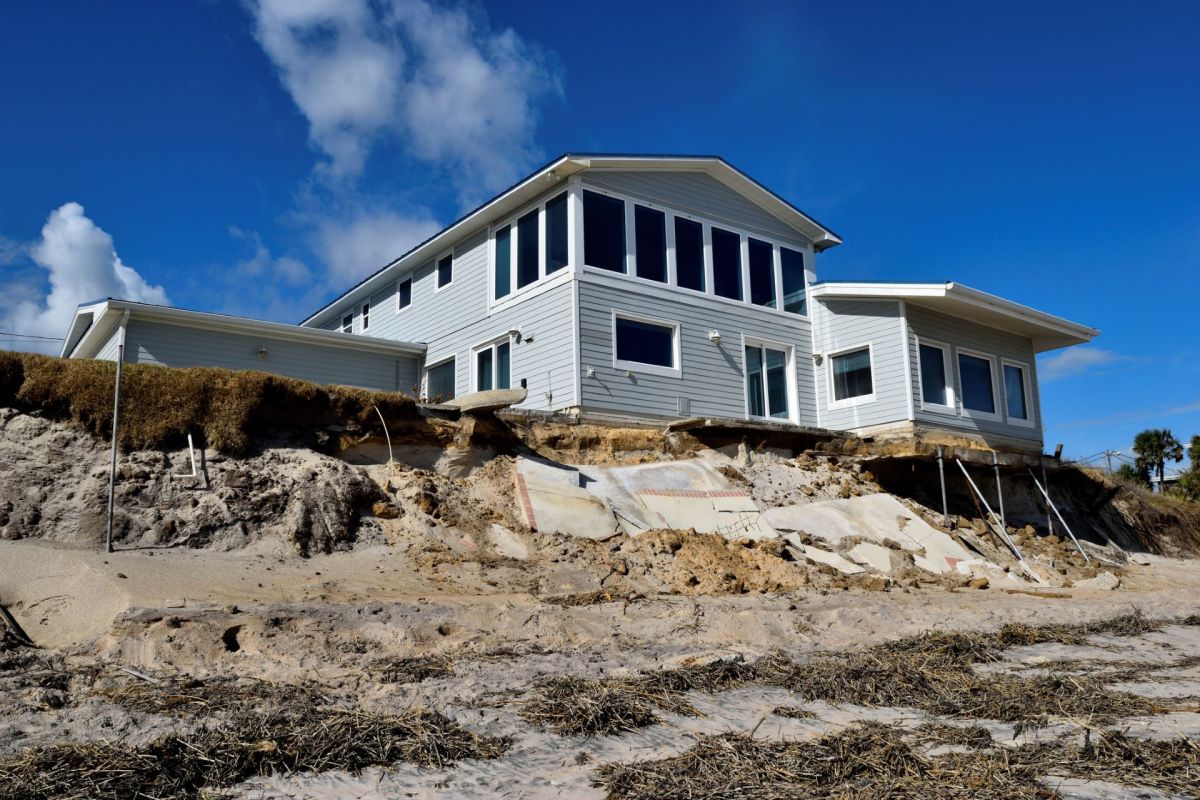
A buyer seeking a $1 million mortgage for a beachfront property could be offered $800,000 instead if the home faces erosion risk as banks begin to factor natural hazards into mortgage assessments.
Here's what to know
Prospective New Zealand buyers will receive Westpac's property-specific risk information as the bank is the first in the country to publicly adopt that approach, RNZ reported.
For example, the bank might offer a 20- or 25-year loan rather than a 30-year mortgage for a beachfront holiday home at risk of erosion. Jo McGregor, Westpac's head of consumer lending, said the assessments could affect the loan amount or mortgage term in no more than 2% of cases, per RNZ.
Sarah Hearn, Westpac's managing director of product, sustainability and marketing, said, "We are not moving to risk-based pricing and we don't expect to be declining applications solely on the basis of this risk," per RNZ.
Westpac said existing mortgages would not be affected.
More background
AA Insurance already paused issuing new policies in Westport because of extreme flood risk, affecting some homeowners' access to coverage, according to RNZ. Some insurers also use risk-based pricing for home insurance.
TCD Picks » Quince Spotlight
💡These best-sellers from Quince deliver affordable, sustainable luxury for all




Lyall Carter, spokesperson for West Auckland is Flooding, had a home in Ranui that the council bought out following the Auckland anniversary floods. Carter said his former property's risk profile changed dramatically within five years, from occasional muddy puddles to an intolerable risk, RNZ reported. He welcomed Westpac's approach but pointed out that residents need access to all of the information to avoid surprise negative equity.
Almost all respondents considered natural hazard information important when buying property, but far fewer were confident they could locate it, according to findings from a Westpac survey conducted in June.
What's being done?
McGregor said Westpac's reports used information from ClimSystems Powered by SLR, an environmental data company based in New Zealand. A sample report provided to RNZ assessed floods, landslides, coastal hazards, and surrounding area exposure, including risks to neighboring properties.
Buyers can also submit council hazard data and evidence of protective work for consideration. McGregor noted that retaining walls, extra drainage, and other measures could influence an assessment, as the bank's data does not necessarily capture those improvements.
Councils must disclose natural hazards in their land information memorandum reports, and the government has begun work on a National Flood Map. Carter, however, called for a single hazard authority rather than information scattered among banks and councils.
Insurance Council CEO Kris Faafoi also urged faster, lasting adaptation action. An Insurance Council poll found that 90% wanted politicians working together, while 70% considered hazard management a major government issue.
"This is where the voice of the people who will be impacted by this needs to be at the core of any policy making," Carter said, per RNZ.
Where can I learn more?
The risks Westpac is weighing also affect homeowners and buyers outside New Zealand.
• In Massachusetts, a blufftop cottage remains standing despite erosion beyond its buyer's five-year estimate.
• Australian residents can soon check flood and fire risks alongside coastal threats to properties.
• In Australia, rising seas threaten 267,000 properties as flood-prone areas lose safe land.
• California home insurance premiums jumped 84%, shrinking affordability for buyers already facing housing costs.
• Florida blames "alarmist" climate risk scores for hurting the property values of homeowners.

Get TCD's free newsletters for easy tips, smart advice, and a chance to earn $5,000 toward home upgrades. To see more stories like this one, change your Google preferences here.






