


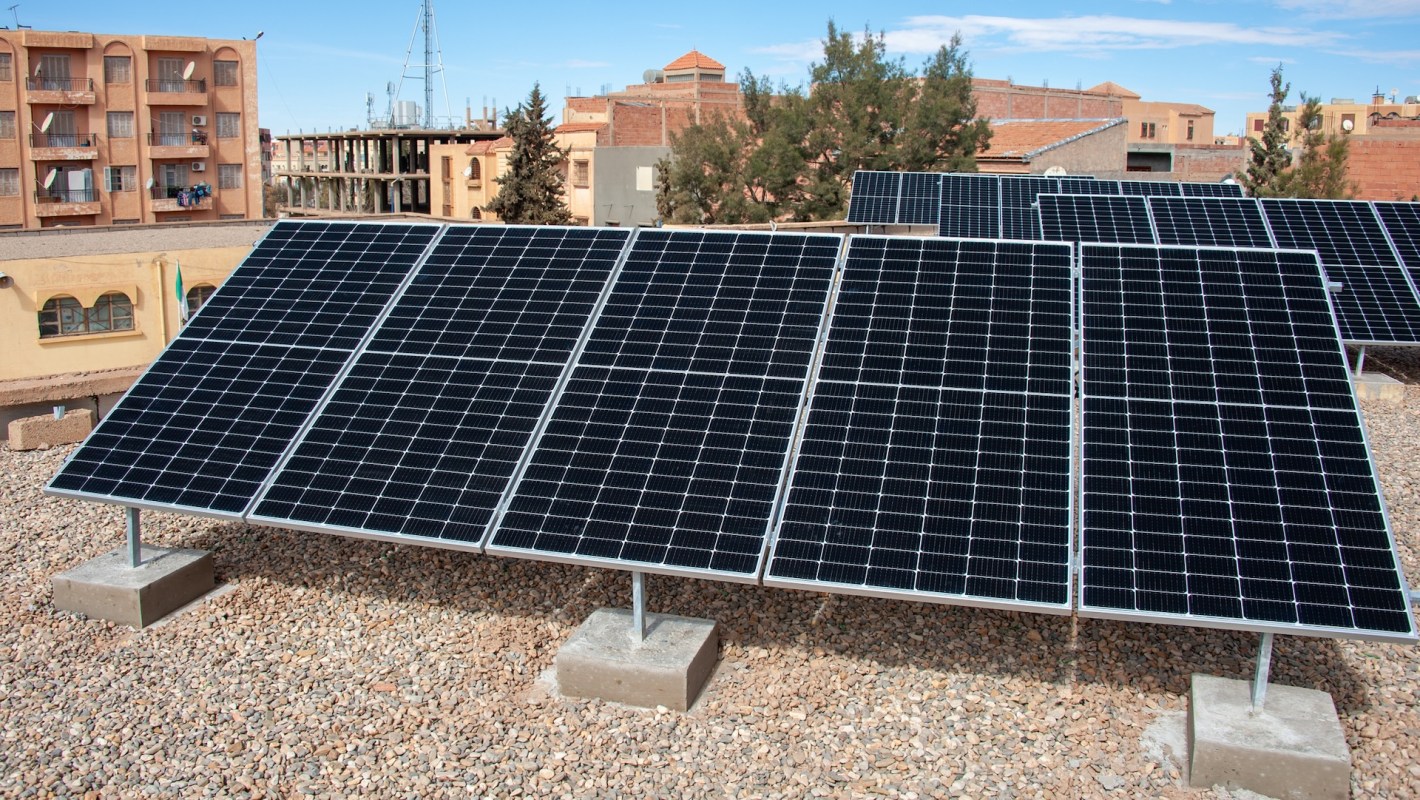
A rooftop solar pledge backed by five countries looks to help families lower their electricity bills, the Associated Press reported (via PBS).
Here's what to know
Turkey and Australia are co-hosting COP31, the United Nations climate talks in Antalya, Turkey.
The Global Rooftop Solar Declaration received endorsements there from Australia, Bangladesh, Kenya, Nigeria, and Vanuatu. The initiative sets a 2030 target of at least 300 million homes with rooftop solar worldwide, twice the current total of 150 million.
It was unveiled Tuesday.
Indonesia's government-owned power provider, Perusahaan Listrik Negara, also joined the declaration. Other supporters included legislators from 21 additional nations, among them Sri Lanka, South Africa, and the United Kingdom.
For households exploring electricity savings, $0 upfront solar leases can cut bills by hundreds of dollars per month, depending on individual circumstances. EasyHome offers a free explorer tool to estimate your potential savings and find vetted local installers.
More background
Energy supply disruptions linked to the wars in Ukraine and Iran preceded the rooftop solar push and have increased interest in renewable energy, per the AP.
"This is the future of affordable energy," said Sonia Dunlop, CEO of the Global Solar Council. "This is the way we can help average working people insure themselves from future price rises to come."
Crushed by your bills? See instant solar savings from vetted installers in just a few clicks With energy prices through the roof, there's never been a better time to go solar — and EasyHome can help you find the best prices from the best installers in your area. EasyHome takes the guesswork and headaches out of energy upgrades by showing you estimated savings from a network of vetted local partners. To get started, just enter your ZIP and share a few details about your home — seeing your estimate is really that easy. |

Expanding electricity access and reducing dependence on fossil fuels are key issues in Antalya.
COP31 follows a year of escalating, fatal climate disasters amid concerns that governments are doing too little to combat rising temperatures.
What's being done?
Participation in the Global Rooftop Solar Declaration is voluntary and carries no binding obligations.
Reaching 300 million homes with rooftop solar while reducing planet-warming pollution requires the necessary equipment and infrastructure. Governments need to move quickly on grid upgrades and financial assistance for panels and battery systems, the AP noted.
Batteries were specifically identified as part of that policy effort, and households can explore storage options through EasyHome. Pairing rooftop solar with battery storage helps manage electricity costs by saving energy for later use and provides backup power during outages.
Bruce Douglas, CEO of the Global Renewables Alliance, said that governments must now follow the commitment with action.
"The pledge is a pledge," he said, per the AP. "We now need to see national policies and frameworks in place."
Where can I learn more?
Putting rooftop solar on more homes will require financial support, grid capacity, and energy storage. These stories cover household subsidies, community batteries, and milestones in renewable electricity.
• In Thailand, a million households could receive 50,000 baht to go solar and sell electricity back.
• Australia has reached 100 community batteries installed, with ARENA funding three more solar storage projects.
• Australia's main grid reached 80% renewable electricity on consecutive days, with rooftop solar exceeding half of demand.

Get TCD's free newsletters for easy tips, smart advice, and a chance to earn $5,000 toward home upgrades. To see more stories like this one, change your Google preferences here.






