


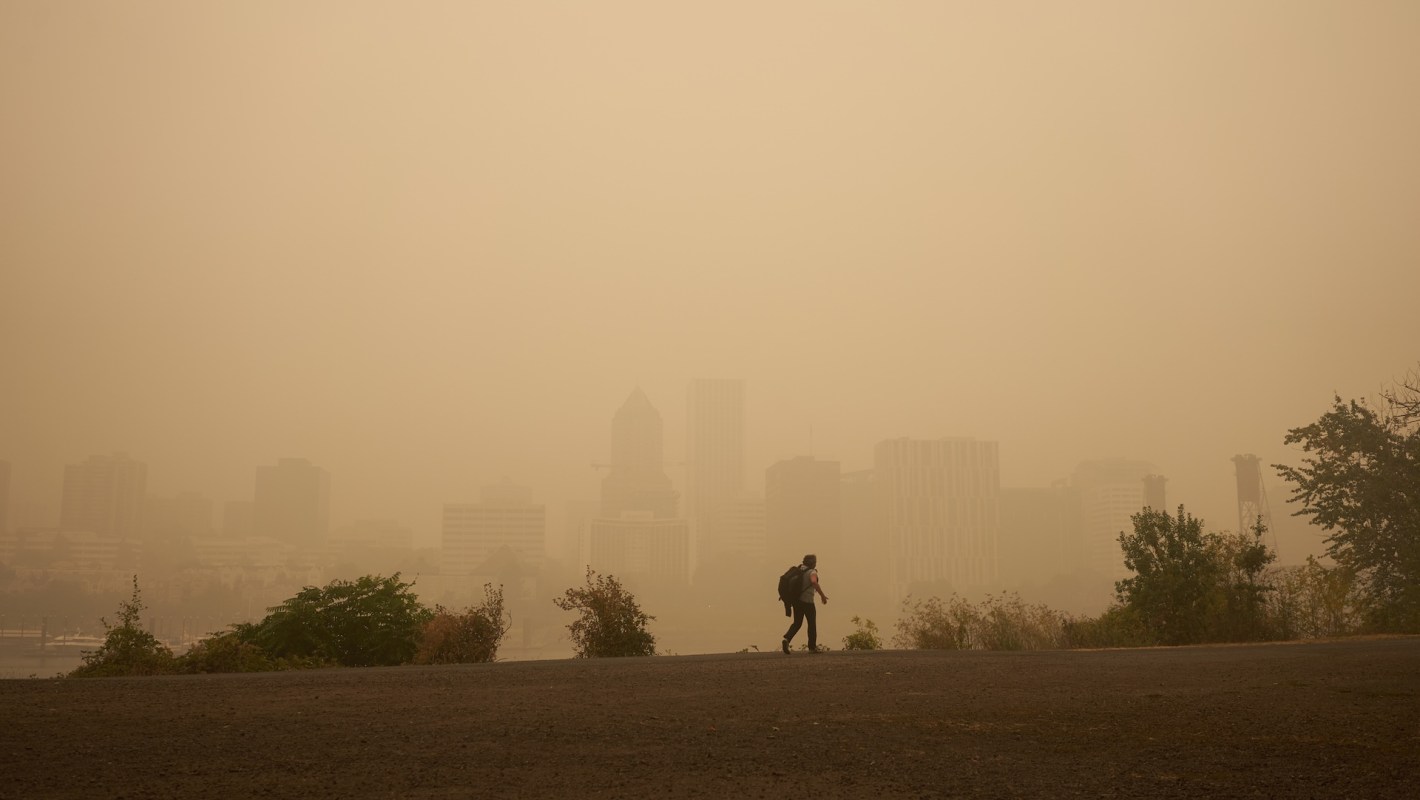
University of Cambridge researchers found that fine particle pollution averaged more than six times the World Health Organization's annual guideline in 136 countries, Euronews reported.
Here's what to know
Bringing nitrogen dioxide down to its recommended level could avert or delay roughly 1.1 million deaths, the researchers determined.
Meeting the WHO recommendation for fine particulate matter, or PM2.5, could avert about 9.4 million deaths per year. The WHO recommends a maximum annual PM2.5 concentration of 5 micrograms per cubic meter.
By comparison, the Tuesday report put the annual average across the countries studied at 30.4 micrograms per cubic meter.
Exposure to air pollution can increase rates of dementia, breathing problems, and diseases of the heart and lungs.
Heart attacks and strokes are responsible for the majority of deaths that researchers estimated could be prevented.
TCD Picks » Quince Spotlight
💡These best-sellers from Quince deliver affordable, sustainable luxury for all




More background
The study's authors linked worsening air quality in low- and middle-income countries to rapid urban growth, economic development, and increased reliance on cars and other motor vehicles.
Reducing pollutants would bring the greatest benefits to these nations, which bear the heaviest burden.
Meeting WHO recommendations could produce $8.4 trillion in international dollars in yearly societal welfare benefits from lowering mortality risk, according to the researchers.
International dollars account for differences in purchasing power between countries. That estimated benefit equals about 10.7% of the total gross domestic product across the 136 countries studied.
Annual medical savings alone could reach $11.8 billion in international dollars for treating coronary heart disease, with stroke and dementia savings reaching $5.9 billion and $8.6 billion, according to the researchers.
Preserved workplace productivity could account for tens of billions more.
What's being done?
The WHO's 2021 revision of air quality guidelines cut the recommended maximum annual NO2 concentration from 40 micrograms per cubic meter to 10 micrograms per cubic meter.
For PM2.5, it lowered the recommended annual maximum 10 micrograms per cubic meter to 5 micrograms per cubic meter.
Many countries have yet to come close to those levels, particularly low- and middle-income nations, Euronews noted.
The analysis estimated that meeting the PM2.5 recommendation could reduce annual chronic obstructive pulmonary disease cases by 2.8 million and dementia cases by 1.1 million.
Researchers also projected annual declines of 7.3 million coronary heart disease cases and 2.3 million strokes.
Study co-corresponding author Haneen Khreis emphasized the opportunity for countries with growing populations and expanding cities.
"Meeting the WHO's air quality guideline values will not be straightforward, but low- and middle-income countries have a critical opportunity to shape healthier futures as their populations grow and their cities expand," she said, per Euronews.
Where can I learn more?
• Ireland met EU air limits, but pollution remains linked to 1,500 early deaths annually.
• From Italy to California, nighttime coughs increased even at pollution levels below WHO limits.
• Heat and fires left a third of humanity breathing extremely poor ozone air.

Get TCD's free newsletters for easy tips, smart advice, and a chance to earn $5,000 toward home upgrades. To see more stories like this one, change your Google preferences here.






