


Many Australian renters are missing out on the thousands of dollars that households can save by switching to electric appliances and vehicles.
Here's what to know
Rewiring Australia's 2026 Home Energy Savings report uncovered that Australians are accelerating their electrification, but the momentum is uneven. As the New England Times noted, the pattern relates to incentives.
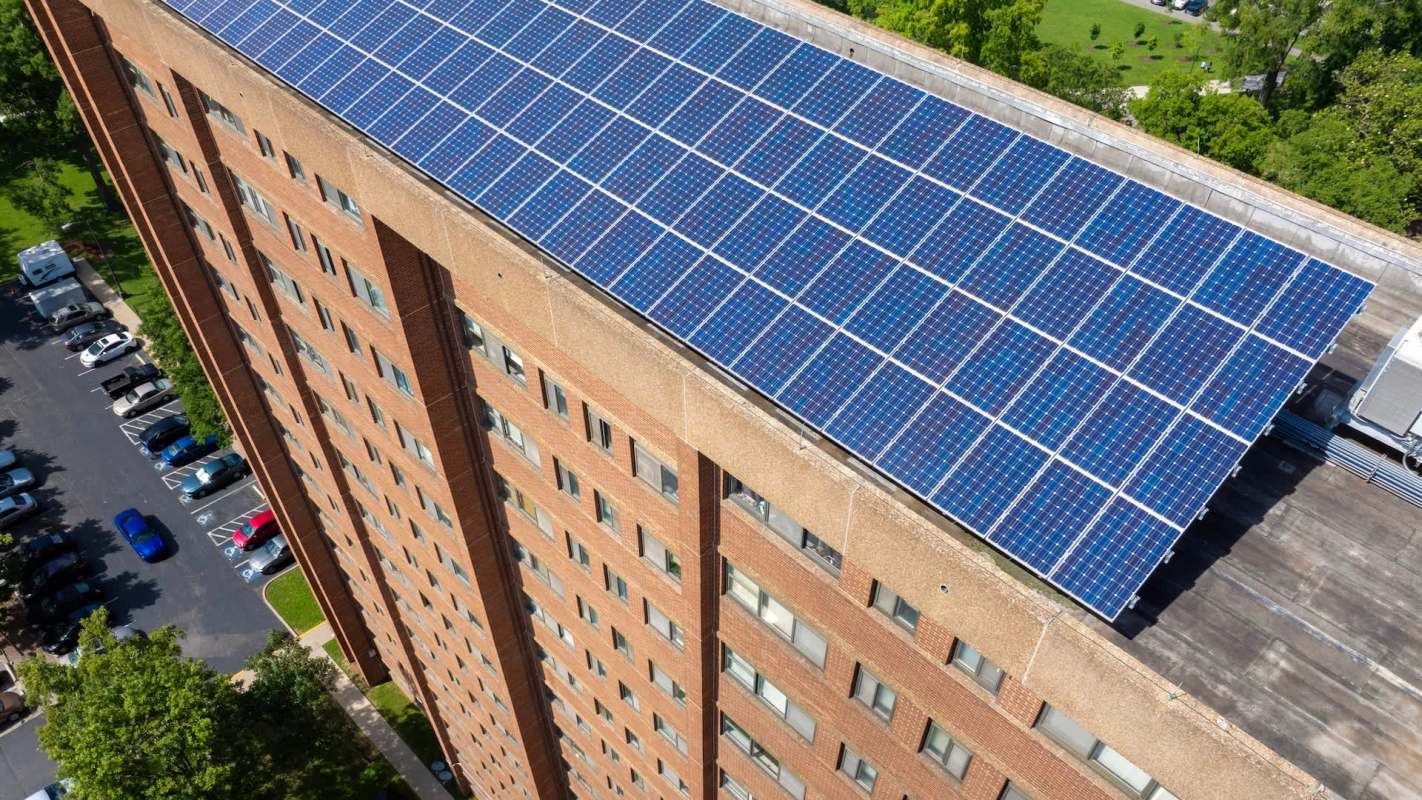
Tenants get the bill savings when landlords install solar panels or replace appliances, leaving property owners with little financial incentive to make those changes.
More than 40% of owner-occupiers have solar, but uptake is only about 10% among renters, the report found.
The report said households can save an average of 4,300 Australian dollars ($2,947) a year after upgrade costs by switching to electric appliances and cars and adding rooftop solar and a battery. Replacing gas appliances and gasoline-powered cars alone delivers average net annual savings of 3,000 Australian dollars ($2,056).
Tenants, retirees, and homeowners on low incomes still face barriers to the benefits of electrification despite falling equipment prices, according to the New England Times.
Residential solar can lower electricity costs, and in the United States, $0-upfront solar leases may offer savings of hundreds of dollars. EasyHome offers a free explorer tool to estimate potential savings and find vetted local installers.
More background
Rewiring Australia said full electrification can save an apartment household as much as 1,800 Australian dollars ($1,234) a year. Around 1.6 million of Australia's nearly 3 million renting families live in apartments, the company's CEO Francis Vierboom told the New England Times.
Crushed by your bills? See instant solar savings from vetted installers in just a few clicks With energy prices through the roof, there's never been a better time to go solar — and EasyHome can help you find the best prices from the best installers in your area. EasyHome takes the guesswork and headaches out of energy upgrades by showing you estimated savings from a network of vetted local partners. To get started, just enter your ZIP and share a few details about your home — seeing your estimate is really that easy. |

A solar-equipped home that already runs entirely on electricity can reduce its annual energy costs by 800 Australian dollars ($548) to 1,200 Australian dollars ($815) by adding a 15-kilowatt-hour battery. Home batteries are becoming more common, with installations averaging 1,100 a day since July 1, 2025, according to the publication.
The report added that BYD's Atto 1 and Dolphin offer 1,800 Australian dollars in annual savings from the start, with upfront prices matching gasoline-powered small cars. Across a group of 13 electric vehicle models, prices have fallen by roughly 24,000 Australian dollars ($16,448) since 2020. Buyers have gained more lower-cost options from the surging used EV market, too.
What's being done?
Victoria has developed a plan to move away from gas, while the Australian Capital Territory and New South Wales offer low- or no-interest loans for home upgrades, Vierboom relayed to the New England Times.
To help more households afford the initial costs, Rewiring Australia recommended government-backed flexible financing. The report also called for a nationwide plan to phase out gas networks. Vierboom advocated that special care applies to renters.
"Ensuring appliances in rentals are upgraded to electric over time will unlock savings for these millions of renters — and it only gets better if we also get plug-in solar and batteries on Australian shelves," he told the publication.
Electrification can protect renters and homeowners alike from high fuel prices.
"The best and cheapest way to shield Australians from these shocks is to help them go electric," Vierboom concluded.
For households with control over installation decisions, EasyHome also offers battery-storage exploration options and can help users curate competitive bids from local solar installers. Pairing solar with suitable battery storage can reduce electricity costs and provide backup power during outages.
Where can I learn more?
Making solar and batteries available to more renters could help them lower their energy bills.
• Western Australia plans to change plug-in solar rules so systems can legally be connected.
• In the U.K., solar kits with batteries promise renters savings if lawmakers allow them.
• In Texas, a renter considering backyard solar received advice to start with portable equipment.

Get TCD's free newsletters for easy tips, smart advice, and a chance to earn $5,000 toward home upgrades. To see more stories like this one, change your Google preferences here.
Cool Picks






