


An aggressive form of breast cancer was substantially more common among women with the highest blood levels of two common "forever chemicals," a U.S. study found.
Here's what to know
National Institutes of Health researchers used blood collected before breast cancer diagnoses to measure 17 PFAS chemicals, according to Fox News.
Published in the Journal of Clinical Oncology, the research explored whether those chemical levels were linked to particular types of breast cancer.
Women with the highest blood levels of perfluorooctanesulfonic acid, or PFOS, had a 93% higher rate of estrogen receptor-negative breast cancer than those with the lowest levels. The corresponding increase for perfluorooctanoic acid, or PFOA, was 67%.
The analysis used two groups from the Sister Study: 1,609 women who later developed breast cancer and a comparison group of 2,269 women. The project investigates how environmental exposures and genes relate to breast cancer.
None of the participants had breast cancer when they enrolled, although all had a sister who had been diagnosed with the disease.
TCD Picks » Quince Spotlight
💡These best-sellers from Quince deliver affordable, sustainable luxury for all




More background
PFAS can accumulate in both people and the environment. These manufactured substances take a very long time to break down.
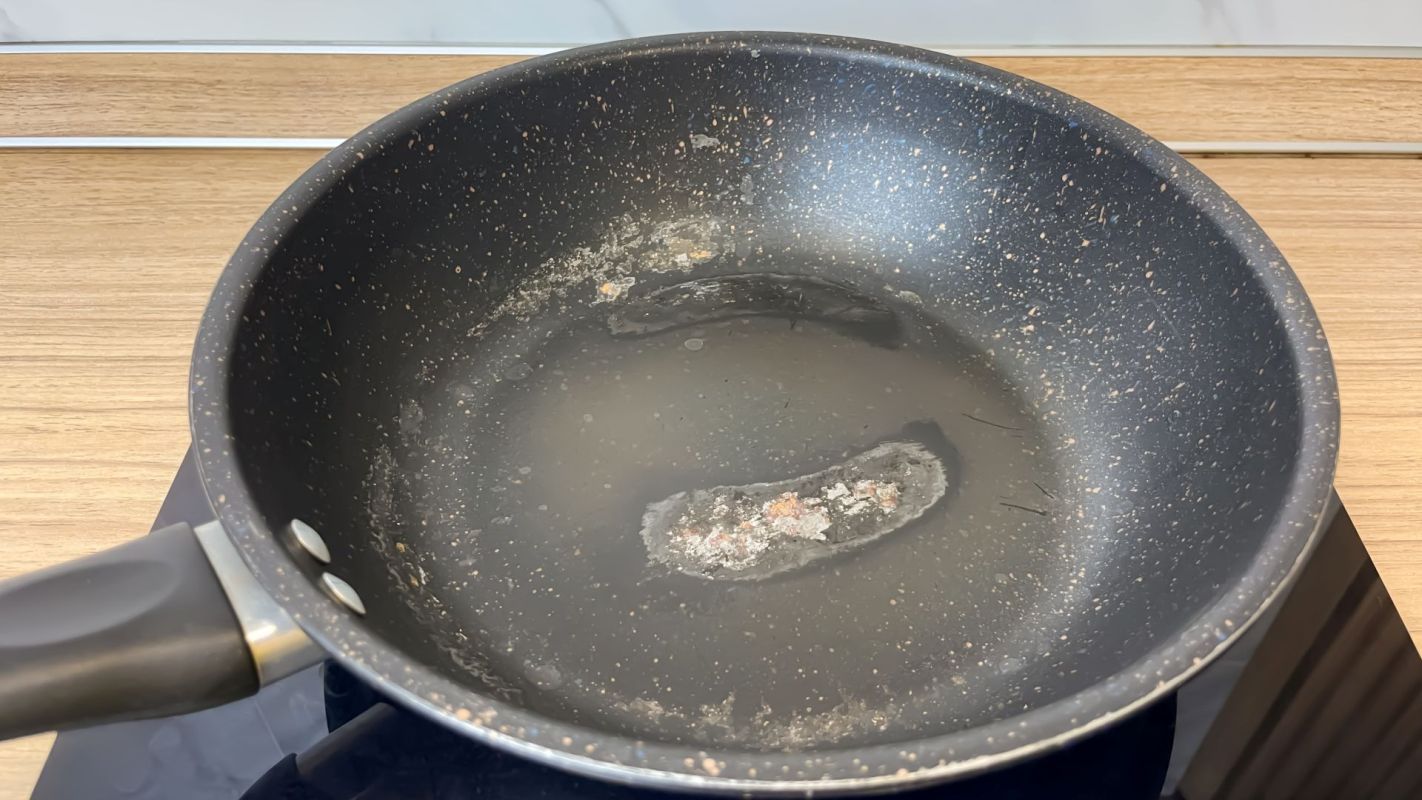
Everyday household purchases can be a source of exposure, as PFAS have been used in certain food packaging and personal care items, as well as clothing, furniture upholstery, and nonstick cookware.
Estrogen receptor-negative breast cancers tend to have a poorer prognosis than cancers that respond to estrogen; a U.S. Department of Health and Human Services press release also described them as often "more aggressive."
While the chemicals examined in the study have largely been phased out, researchers still have questions about the substances replacing them.
"They tend to be shorter-chain compounds and may be less persistent in our bodies and the environment, but we know little about how they may influence health outcomes, such as breast cancer," Alexandra White, an NIH researcher and the study's leader, told Fox News Digital.
What can be done?
Dr. Tiffany Troso-Sandoval, a New York City specialist in breast and gynecological cancers with over 25 years at Memorial Sloan Kettering, recommended reviewing potential sources of exposure around the home, according to Fox News Digital.
These include drinking water, cookware, utensils, cosmetics, and personal care products.
"Try to look at the products that you are using very frequently, and those are the first ones to swap out," she told the outlet.
She suggested considering stainless steel cookware and avoiding plastic containers when warming food.
HHS Secretary Robert F. Kennedy Jr. called for research into environmental health risks, while scientists continue to investigate the chemicals' health effects.
"People can take steps to reduce their exposure, and these findings could open new avenues for prevention," Che-Jung Chang, the study's first author, a former NIH research fellow, and a current DLH researcher, said, according to Fox News.
Where can I learn more?
Concerns about PFAS exposure extend beyond breast cancer.
• New Hampshire towns sued 3M and DuPont, alleging PFAS gear endangered firefighters.
• In Europe, TFA appeared in all 110 blood samples tested, prompting PFAS pesticide ban calls.
• Counting low PFAS readings as zero may hide half of U.S. drinking-water contamination.

Get TCD's free newsletters for easy tips, smart advice, and a chance to earn $5,000 toward home upgrades. To see more stories like this one, change your Google preferences here.
Cool Picks






