


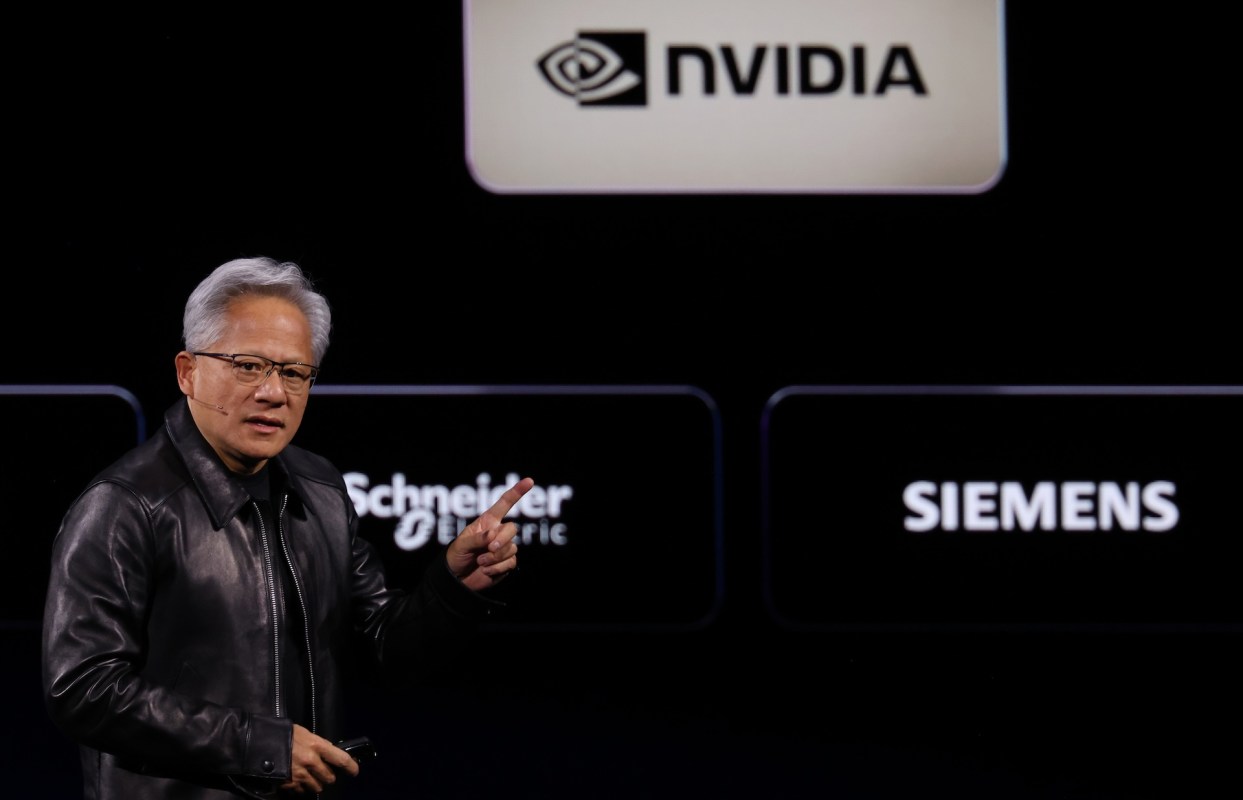
Open-weight artificial intelligence could lose one of its most influential supporters following the board-led ouster of Nvidia co-founder Jensen Huang, potentially changing the direction of an industry in which the chipmaker has championed alternatives to closed AI systems.
Here's what to know
The push for openly available AI model weights is one of several efforts Huang helped organize that could suffer after his resignation following his admission of an extramarital affair, TechCrunch argued.
Nvidia makes open-weight models available alongside open-source tools for AI agents and security. These models give businesses more choices and can help reduce costs.
In July, Huang coordinated a letter in favor of open-weight models that attracted hundreds of signatures.
The effort followed reported lobbying by Anthropic and OpenAI for restrictions on Chinese open-weight models.
TechCrunch identified Microsoft CEO Satya Nadella as another prominent supporter, though the outlet observed that Nadella hasn't organized the industry around the issue as visibly as Huang.
TCD Picks » Quince Spotlight
💡These best-sellers from Quince deliver affordable, sustainable luxury for all




More background
Beyond supporting open-weight models, Huang helped finance the infrastructure needed to power AI.
According to Bloomberg reporting cited in the analysis, Nvidia had committed to $750 billion in deals by July in which its investments helped companies expand and purchase its chips.
That expansion has consequences for the energy grid: Data centers need electricity to run processors and cooling equipment. While AI can help optimize clean energy systems, the infrastructure behind it also consumes substantial amounts of electricity and water.
Forbes reported that nearly half of the year's approximately $80 billion in data center bond offerings carried high-risk "junk" ratings, TechCrunch noted.
Nvidia also agreed in August to guarantee $105 billion in funding for an OpenAI facility in Ohio, CNBC reported.
What's being done?
Alongside its infrastructure investments, Nvidia has pursued technical approaches to AI safety.
Its Open Agent Safety Platform attracted more than 100 participating companies, creating a largely open-source effort to address misbehaving AI agents.
The initiative followed incidents involving OpenAI and Anthropic agents accessing others' networks or engaging in other misconduct.
Huang advocated industry-led safety measures. TechCrunch posited that his departure weakens that approach by removing its most visible champion.
Another initiative looks to move some AI work onto personal computers.
Huang recruited PC manufacturers to develop high-end systems designed to run agents locally, targeting creators, developers, and other users already familiar with the technology.
Those machines are scheduled to debut for the 2026 holiday shopping season.
Nvidia's planned $12.9 billion acquisition of Hugging Face, a major hosting platform for open-weight models, is scheduled to close in the first half of 2027, subject to regulatory approval.
Where can I learn more?
Huang's push for open-weight AI touches on questions about safety, energy use, and access to computing hardware.
• Trump called AI danger talk a "hoax" during a phone call to Huang.
• Huang said AI must cause "pain and suffering" before helping the climate.
• Anthropic's Dario Amodei urged an AI slowdown and outside access to check model safety practices.
• OpenAI's Sam Altman said the upsides justify some AI misuse, diverging from Anthropic.

Get TCD's free newsletters for easy tips, smart advice, and a chance to earn $5,000 toward home upgrades. To see more stories like this one, change your Google preferences here.
Cool Picks






