


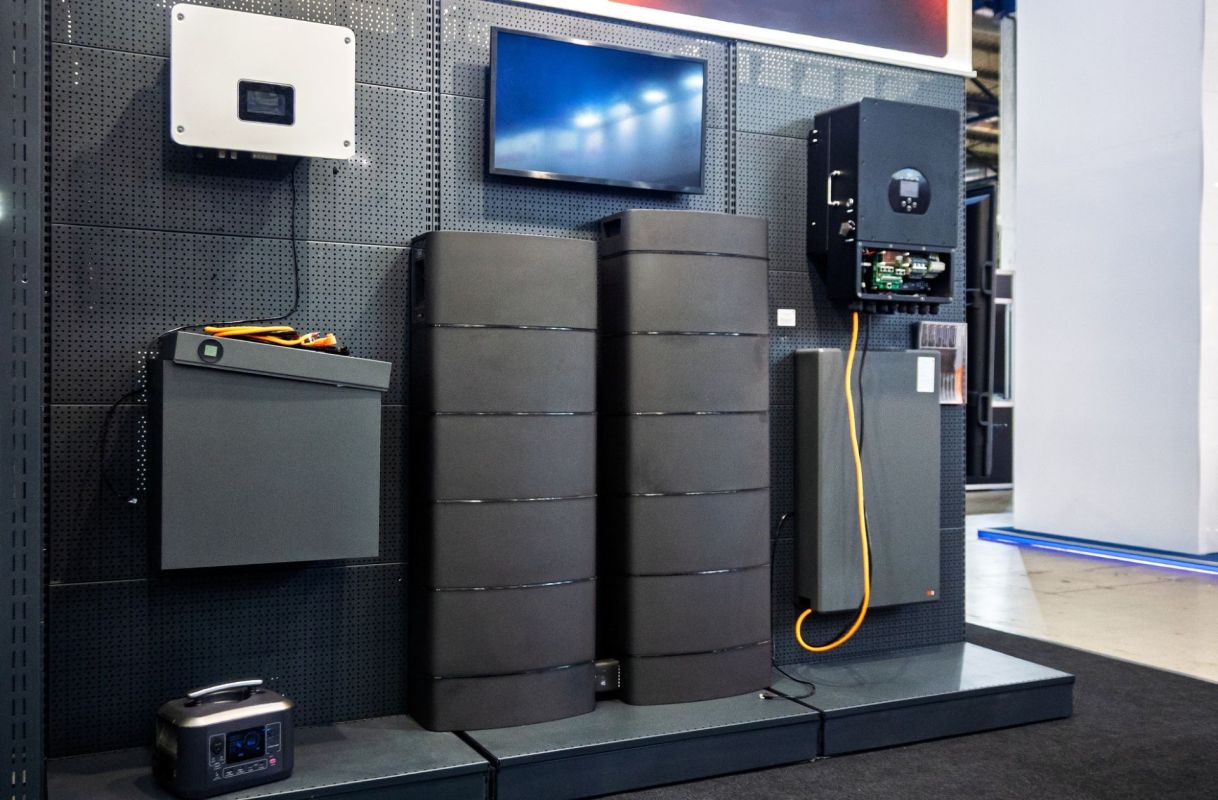
An Australian rebate program for home batteries has proven highly successful, perhaps even too successful for some budget-minded government officials who are now considering cuts to the program.
With battery installations exceeding 600,000 since July 2025, decisions on the program's future could determine how many more households can afford to invest in energy storage.
Here's what to know
The home battery rebate program originally was projected to cost AU$2.3 billion (US$1.58 billion) over four years. However, the program's popularity has far outpaced expectations, and that projection has skyrocketed to AU$7.2 billion, according to Finder, citing reporting from the Australian Financial Review.
These figures have caught the eye of government officials who have been seeking ways to cut costs amid a budget crunch. Murray Watt, the Environment Minister, said the government had asked every minister to look for savings within their portfolio, per Finder.
Many households have also been looking for ways to cut costs amid rising expenses. Adding a home battery can be a great way to save money on home energy costs. EnergySage offers a resource for exploring battery products and comparing competitive installation estimates. Those comparisons can help buyers understand how different equipment and installation choices affect the upfront bill.
EnergySage also partners with electrification company Qmerit to help homeowners find the best available battery storage pricing.
More background
In total, some 600,000 home batteries have been installed under the rebate program. Going forward, however, some Australian households could miss out on potential electricity bill savings if higher upfront costs make home batteries unaffordable.
Chris Bowen, the Energy Minister, has supported wider battery use, citing lower wholesale power costs and strong household uptake, Finder reported.
Crushed by your bills? See instant solar savings from vetted installers in just a few clicks With energy prices through the roof, there's never been a better time to go solar — and EasyHome can help you find the best prices from the best installers in your area. EasyHome takes the guesswork and headaches out of energy upgrades by showing you estimated savings from a network of vetted local partners. To get started, just enter your ZIP and share a few details about your home — seeing your estimate is really that easy. |

In addition to potential energy savings, a battery configured for outage backup can also keep essential equipment running during a blackout. Further, batteries can give homeowners more control over their electricity supply and support off-grid use when paired with a suitable generation system.
For buyers whose priority is a smaller backup option, Pila offers a plug-and-play alternative at a substantially lower price point than whole-home backup systems.
Other available incentives
In New South Wales, households can also receive financial incentives for joining a virtual power plant, which connects participating batteries into a coordinated network. Australian Energy Market Commission research cited by Finder put the average unsubsidized home battery payback period at 14.5 years — a substantial financial commitment for families weighing the cost against their household budget.
Where can I learn more?
Even as more and more Australians have been installing home batteries, upfront costs can still vary widely. These stories cover rebate-driven growth, battery compliance issues, installation quotes, and more battery installation dilemmas.
• Australia's home battery installations have outpaced rooftop solar as rebates drive record uptake.
• Seven battery models faced rebate suspension in Australia over compliance issues.
• In Australia, solar and battery installation quotes ranged from $8,000 to $20,000 for one setup.
• Australian battery buyers focused heavily on brands, sometimes overlooking the solar equipment already installed.
• Some Australian families used more electricity after large home batteries made power feel 'free.'

Get TCD's free newsletters for easy tips, smart advice, and a chance to earn $5,000 toward home upgrades. To see more stories like this one, change your Google preferences here.
Cool Picks






