


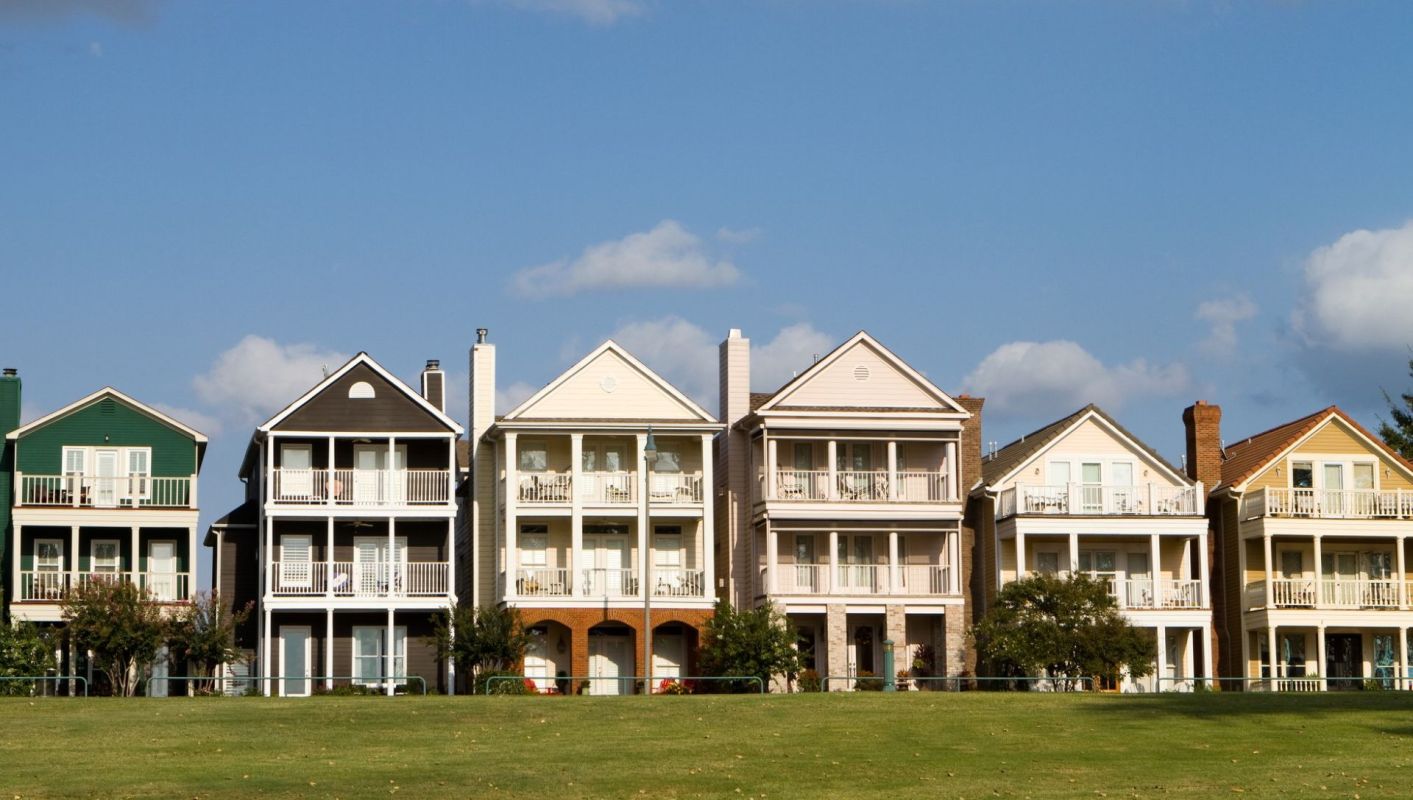
Even with electricity prices roughly one-quarter below the U.S. average, Memphis heating and cooling costs have been placing a significant strain on household budgets.
Here's what to know
With about four out of five Memphis homes predating 1950, energy codes and insulation requirements did not even exist when most homes in the area were built, The Tri-State Defender reported. This can result in higher energy costs, as heating and cooling equipment works harder to compensate for air leaks and insufficient ventilation.
Two in five Shelby County households face high energy burdens, with utility spending above 6% of household income qualifying as an extreme energy burden, according to The Tri-State Defender. The share of income spent on energy in predominantly Black neighborhoods in North and South Memphis was more than double the Memphis average. Households there devoted 5% to 9% of their income to those costs.
For households looking to save money on utilities, residential solar could lower electricity costs, with $0-upfront solar leases potentially saving some households hundreds of dollars monthly. EasyHome offers a free explorer tool to estimate possible savings and connect homeowners with vetted local installers.
More background
The condition of many Memphis houses has been another hurdle. For years, more than two-thirds of the applicants to Memphis' weatherization program have been rejected because major home repairs had to be completed before efficiency work could start.
A damaged roof, for example, could keep a household already struggling with utility bills from receiving help. To address that barrier, the city's Division of Housing and Community Development tested an initiative called the Residential Repair and Rehabilitation Assistance Program. The program prioritizes structural repairs so residents can then access weatherization services.
What's being done?
The city has been conducting outreach efforts to better inform ratepayers about the various programs available, as well as provide them with simple tips to lower their energy bills. The city's EmPOWER the Block event in South Memphis drew more than 350 people in May, with nearly nine in 10 attendees reporting that they learned something valuable.
For Ron Miles, a member of the Magnolia Castalia Community Association, the event gave residents a chance to learn about the help available to them.
Crushed by your bills? See instant solar savings from vetted installers in just a few clicks With energy prices through the roof, there's never been a better time to go solar — and EasyHome can help you find the best prices from the best installers in your area. EasyHome takes the guesswork and headaches out of energy upgrades by showing you estimated savings from a network of vetted local partners. To get started, just enter your ZIP and share a few details about your home — seeing your estimate is really that easy. |

"[This event] means that our community members will get an opportunity to experience what's available in terms of energy savings," he said, per The Defender.
Recommendations included sealing leaks and weatherstripping doors and windows, simple steps that can lower heating and cooling expenses by as much as 15%. Additionally, using programmable or smart thermostats can bring those bills down another 10% to 15%.
Replacing HVAC filters every two to three months and scheduling spring and fall tune-ups can also help systems run efficiently.
For households exploring solar and other energy upgrades, EasyHome also offers options for exploring battery storage quotes. Pairing panels with batteries can help manage electricity costs by storing solar energy for later use, while providing backup power during outages — another consideration for families trying to keep their homes comfortable even during blackouts.
Where can I learn more?
Memphis hasn't been the only place where the condition of older homes can make it harder to keep energy bills down. These stories follow homeowners and renters confronting insulation problems, costly bills, and barriers to efficiency upgrades.
• In Tennessee, cold floors led a homeowner toward a $300 attic upgrade before crawlspace work.
• A Kentucky homeowner's $500 summer power bill prompted advice to prioritize insulation over new HVAC.
• Georgia Power has offered seniors free upgrades, but roof leaks and mold could block work.
• A Texas homeowner's bills stayed high despite new windows and insulation.
• A renter faced $500 winter electric bills while living in just 325 square feet.

Get TCD's free newsletters for easy tips, smart advice, and a chance to earn $5,000 toward home upgrades. To see more stories like this one, change your Google preferences here.
Cool Picks






