


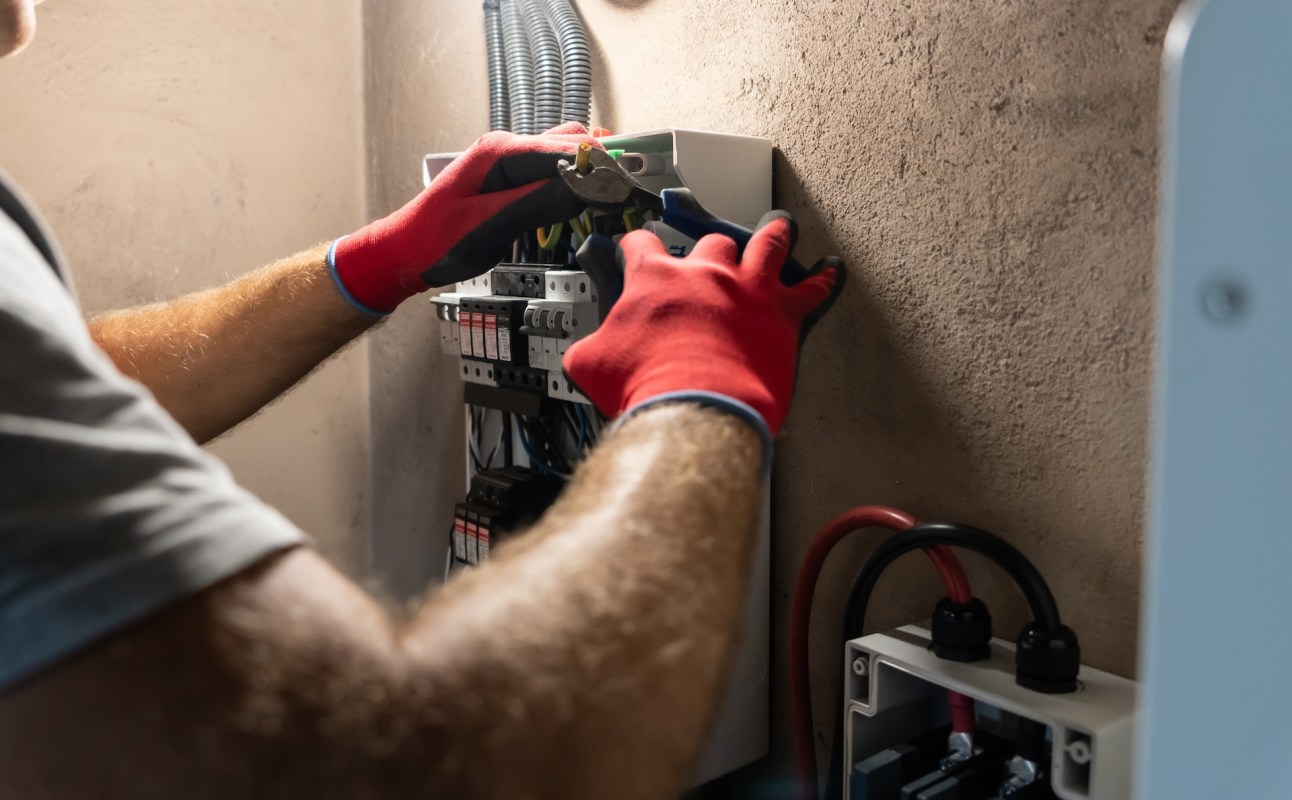
One Ontario homeowner hoping to keep their food cold and furnace on during a power outage encountered an unexpected hurdle. Connecting a backup battery to their electrical panel could cost as much as the battery itself.
Here's what to know
In a Reddit post, they asked how others had connected backup power to selected household circuits and described their frustration with Ontario's Electrical Safety Authority requirements, even when using a transfer switch.
"Hiring an electrician is going to cost just as much as the generator it seems," the original poster wrote.
One commenter warned that backup electricity reaching utility lines during an outage could endanger line workers and emergency responders. Transfer equipment prevents that electricity from flowing out of a home's backup supply and into utility lines.
"That transfer switch is an important safety thing," they noted.
More background
The homeowner described the equipment as a "battery powered generator," prompting commenters to clarify the difference between the two technologies.
TCD Picks » Quince Spotlight
💡These best-sellers from Quince deliver affordable, sustainable luxury for all




A fuel-powered generator burns fuel to produce electricity. Meanwhile, a battery power station instead stores electricity for later use. That led a commenter to conclude that "despite marketing, they are not the same thing."
Several participants favored gasoline or propane generators. Others, however, pointed to the challenges of storing fuel and finding more when supplies run low.
One gasoline-generator owner wanted a hybrid setup to reduce their reliance on gasoline, noting that they could not count on being able to replenish it during a grid outage.
One commenter discussed neutral-switching requirements and said Ontario did not permit the simple mechanical panel interlocks sold online.
What can be done?
The same commenter suggested homeowners arrange an ESA inspection after doing the electrical work themselves, noting that this option applied to people who owned and lived in the property.
The commenter linked an ESA safety notice while discussing another approach they were considering: using plug connections for the furnace and refrigerator circuits.
Another participant described equipment whose built-in automatic transfer switch would supply selected circuits from either the grid or an inverter. They were exploring an EG4 6000XP-type inverter, battery, and dedicated critical-loads panel.
That participant hoped to get 24 hours of backup power without adding solar. They had found an electrician but said an on-site assessment was still needed to determine their options.
Others suggested using extension cords for plug-in appliances.
For one commenter, combining batteries with an existing generator had already reduced the need to run it.
"I have a small 2.8 kW generator, and the problem of storing gasoline is really annoying," they wrote. "I simply converted it to run on propane. And with two 1000 Wh batteries, it rarely needs to be started."
Where can I learn more?
Other homeowners considering backup batteries have also had to weigh installation costs against what they need to keep running during an outage.
• In Ontario, an electrician sought clarity on Generac transfer-switch compatibility with battery backup.
• A homeowner's budget battery-backup plan encountered a $250 inspection and UL-rated equipment requirements.
• A homeowner planning a DIY battery add-on learned only certified installers could commission it.
• Two seniors weighed whole-home batteries against generators, while owners questioned whether batteries would suffice.

Get TCD's free newsletters for easy tips, smart advice, and a chance to earn $5,000 toward home upgrades. To see more stories like this one, change your Google preferences here.
Cool Picks






