


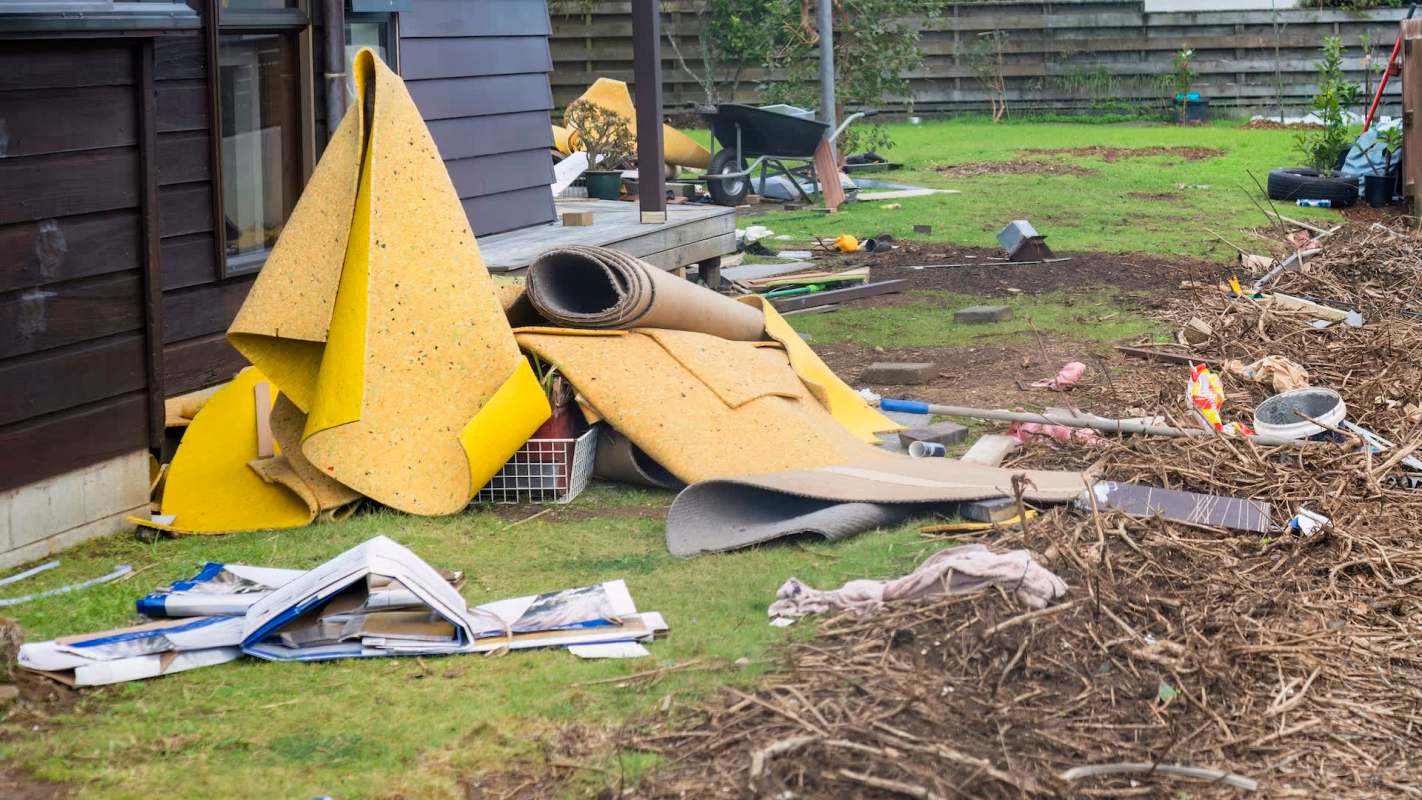
An annual weather-related claims bill of NZ$322 million (approximately $181 million) at one New Zealand insurer is adding urgency to the industry's push for greater investment in climate adaptation.
Insurers say the price and availability of cover depend on efforts to reduce disaster risk.
Here's what to know
After recording NZ$70 million (approximately $39 million) in weather-related natural hazard claims for the year ending June 30, 2025, Vero reported NZ$185 million (nearly $104 million) in total claims for the year ending June 30, 2026, according to RNZ.
Across 44 weather-related events in its 2026 financial year, IAG recorded NZ$322 million in claims, compared with NZ$132 million (nearly $74 million) in its 2025 financial year. The company's brands include AMI and State.
Tower Insurance estimated roughly NZ$25 million (approximately $14 million) in large-event claims costs for its September 30 year-end, according to market guidance reported by RNZ. That compares with NZ$7.2 million (approximately $4 million) in its 2025 financial year.
The comparison year was not typical for Tower. A spokesperson said its costs were exceptionally low and below the company's average over the past decade.
TCD Picks » Quince Spotlight
💡These best-sellers from Quince deliver affordable, sustainable luxury for all




Insurers are seeking a national effort to protect homes and businesses from climate-related risks as claims costs rise.
More background
The fatal landslide at Mauao was caused by extreme rainfall in the Bay of Plenty in January, one of the events within IAG's reporting period, according to RNZ. The period also included destructive windstorms in Southland in October 2025.
Such disasters threaten lives and community safety, while damage to homes and businesses puts livelihoods and economic stability at risk.
By 2050, Vero expects weather-related natural hazard claims costs to be 21%-27% higher, with a 12%-15% increase projected by 2040, RNZ noted. Those forecasts add to concerns about insurance affordability.
At least NZ$64 billion (approximately $36 billion) was the direct bill shared by government, councils, insurers, and communities for natural hazards across 15 years, IAG chief executive Phil Gibson told RNZ.
Reducing future risks received only a small share of that spending, as roughly 95% went toward response and recovery.
What's being done?
A 16-point adaptation framework aimed at addressing these challenges was unveiled in late 2025 by climate change minister Simon Watts, according to RNZ.
Parliament rose ahead of the election without passing a proposed legal amendment included in the framework. The amendment would have required councils to map high-risk areas and prepare adaptation plans.
Under another Watts proposal, decisions about sharing adaptation expenses would wait until after the election.
Councils lacked the tools, funding, and guidance needed to act, IAG's report found. It also identified the absence of plans to share costs and reduce risk nationally, as well as a framework for relocating communities from high-risk areas.
Gibson acknowledged the country's practical and financial constraints but said IAG remained committed to working with the government. The insurer has proposed a practical 15-year roadmap for successive governments to address dozens of gaps in managing natural hazards.
"To keep insurance affordable and accessible in New Zealand over the long-term requires coordinated investment in climate adaptation and resilient infrastructure," Suncorp executive officer Tom Hinds said, according to RNZ.
Where can I learn more?
Disaster risk and insurance costs are also concerns for homeowners worldwide.
• In Ireland, 13,000 flood-risk homes can now gain access to insurance as weather fears rise.
• Florida homeowners can face hurricane deductibles reaching $14,000 and higher premiums after claims.
• In the U.K., 6.3 million properties face flood risk as a new taskforce prepares.

Get TCD's free newsletters for easy tips, smart advice, and a chance to earn $5,000 toward home upgrades. To see more stories like this one, change your Google preferences here.
Cool Picks






