


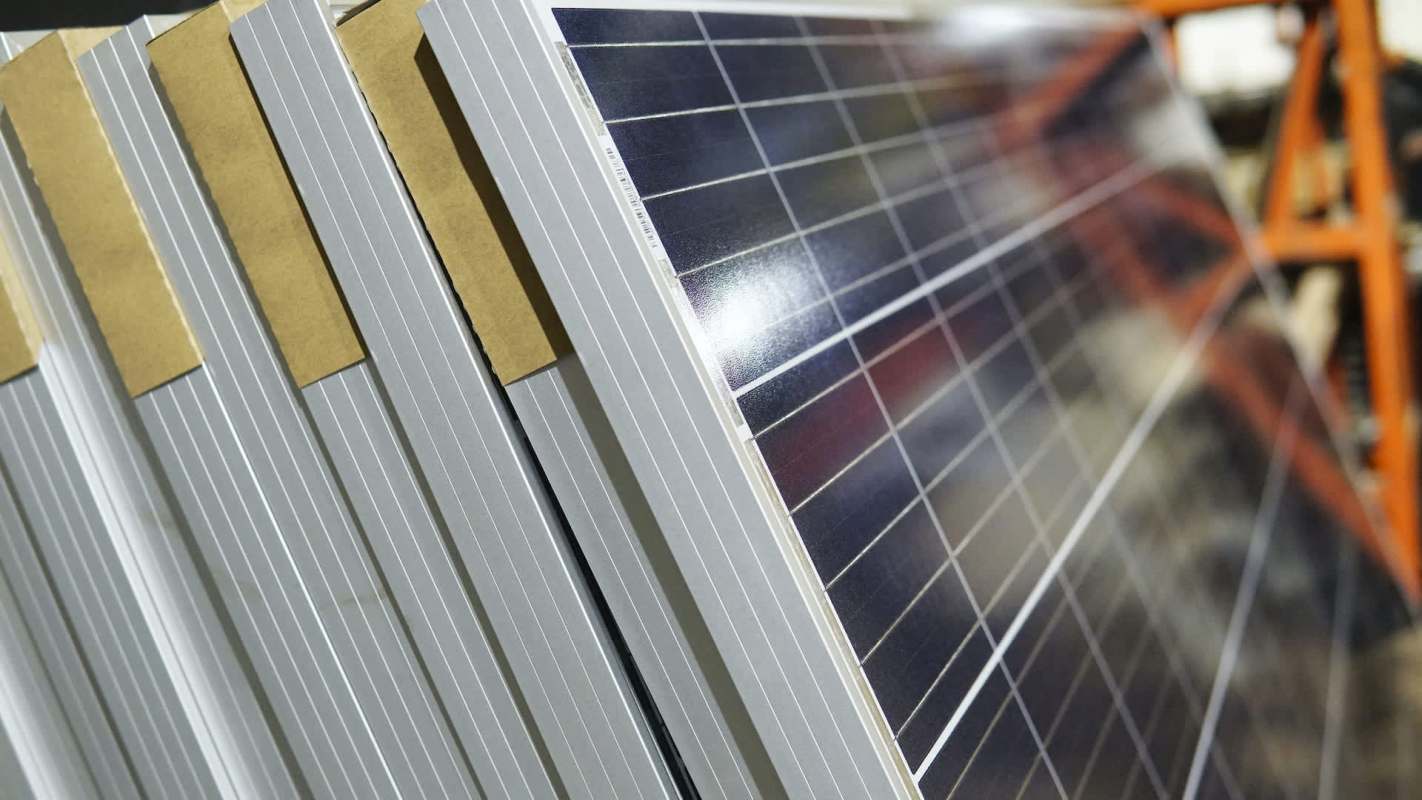
A South Jersey homebuyer says they are facing another hurdle in an already troubled closing after receiving conflicting information about the property's solar panels.
Parts coverage extending into 2041 appeared in both the appraisal and solar inspection reports, the buyer said — contradicting the sellers' attorney's statement that there was no warranty.
Here's what to know
Whether they could sell the property's solar renewable energy certificates, or SRECs, was among the questions the buyer brought to Reddit's r/solar community. Since September 23, they had been seeking documentation confirming that the certificates would transfer to them, along with contractor details and warranties.
Little had arrived beyond a text from the selling agent repeating appraisal information, the buyer said. The sellers' deadline to supply the documents was three days after a late-September request.
For the buyer, an inspection that reassured their attorney did not resolve concerns about missing paperwork. "Is this regular? Am I being unreasonable being uncomfortable?" the original poster asked.
Residential solar can lower electricity bills, and some $0-upfront solar leases may save households hundreds of dollars per month, depending on their circumstances. For readers evaluating those possibilities, EasyHome offers a free explorer tool to estimate potential savings and find vetted local installers.
More background
Delays in the sellers' own home purchase had held up the closing, according to the buyer, even though the sellers had insisted on a particular date.
According to the original poster, the home's roof was replaced after the solar array was installed. Commenters urged the buyer to investigate installation records and equipment details, including the inverter model, rather than relying solely on the inspection's assessment of the system's condition.
Crushed by your bills? See instant solar savings from vetted installers in just a few clicks With energy prices through the roof, there's never been a better time to go solar — and EasyHome can help you find the best prices from the best installers in your area. EasyHome takes the guesswork and headaches out of energy upgrades by showing you estimated savings from a network of vetted local partners. To get started, just enter your ZIP and share a few details about your home — seeing your estimate is really that easy. |

Still, one commenter said their system was operating without issues in its seventh year.
What can be done?
Monitoring access, inverter identification, and equipment warranty certificates were among the items commenters wanted included in a written package. They also called for the original installation contract and utility interconnection approval.
One commenter suggested that a year of utility bills could help the buyer review production and electricity exports. That commenter also recommended checking the property's permit history.
Commenters wanted clarity on any lease or power purchase agreement, as well as whether the panels were financed or paid off.
Commenters suggested a credit or escrow holdback if the records remained unavailable. They also urged the buyer to establish whether the existing net-metering terms would carry over and to document the requirements for transferring SRECs.
For buyers assessing a home's energy setup, EasyHome also offers battery-storage exploration options. Pairing solar with suitable battery storage can help households manage electricity costs and provide backup power during outages.
Where can I learn more?
Questions about warranties, system access, and contract obligations have complicated other home purchases, too. These stories follow buyers checking the solar systems that come with their homes and homeowners navigating repairs after a solar company failed.
• A buyer considering a solar roof was urged to check who backs the warranty.
• A new homeowner inherited a solar system but learned monitoring access might not transfer.
• A homebuyer says their solar array produces a third of expected power, with installers unwilling to help.
• After their solar company failed, a homeowner received a free replacement inverter but faced installation complications.
• A California buyer entered escrow before discovering a 25-year solar PPA costing $240.

Get TCD's free newsletters for easy tips, smart advice, and a chance to earn $5,000 toward home upgrades. To see more stories like this one, change your Google preferences here.
Cool Picks






