


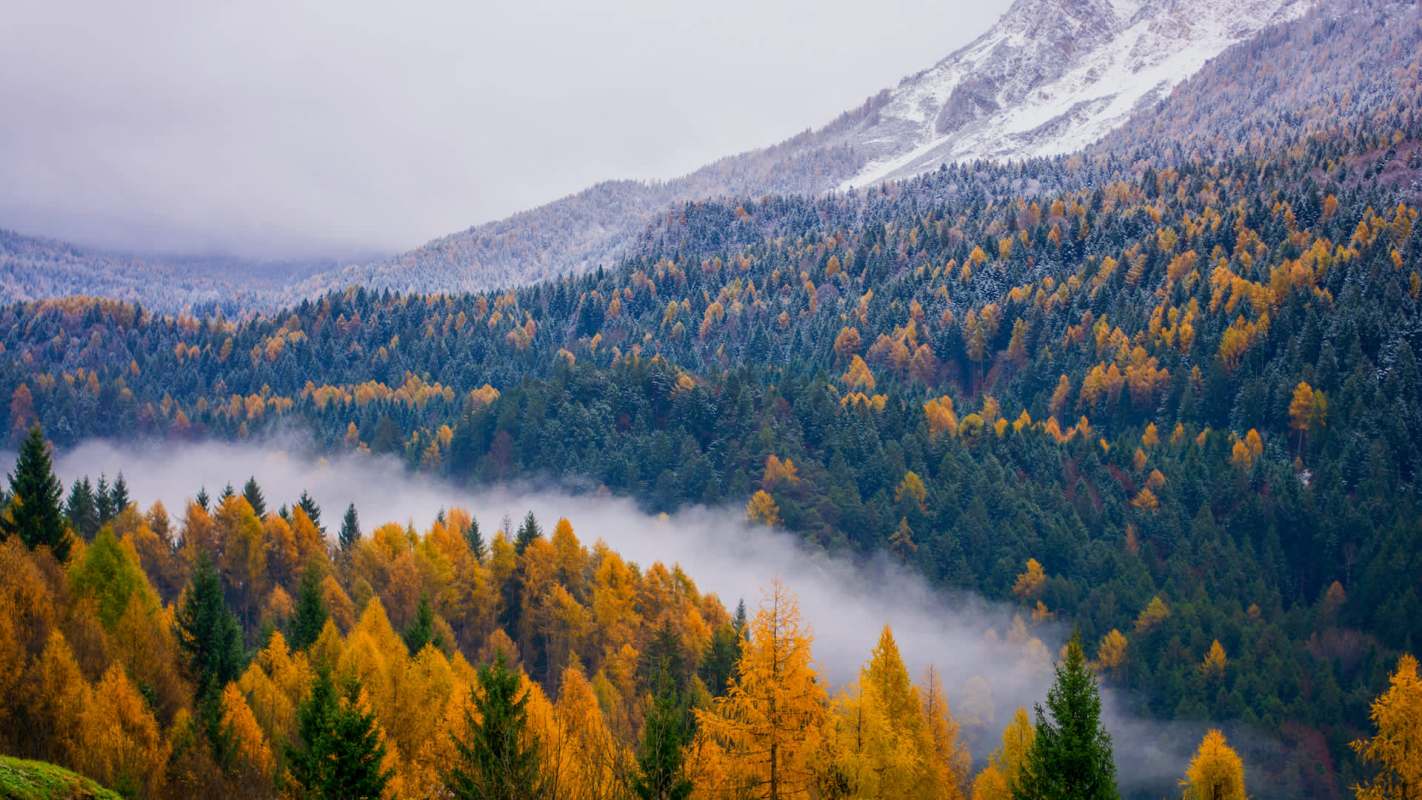
An Arizona water agency has declined to keep funding a program to increase snowfall in the mountains that supply the Colorado River. The decision reflects concerns about cost and whether customers would receive any additional water.
Here's what to know
The Central Arizona Project operates a 336-mile canal system delivering Colorado River water to communities around Phoenix and Tucson, according to KJZZ. Its board narrowly voted against funding the next phase of a multistate cloud-seeding partnership it joined in 2007.
Studies show that cloud seeding can increase mountain snowfall, although the size of the increase is hard to measure. The technique encourages existing clouds to release moisture by introducing particles into the air.
The proposed agreement would cap each agency's annual contribution at $525,000 in 2027, with that limit rising gradually to $750,000 by 2036. Together, water agencies in Arizona, California, and Nevada have contributed about $1.5 million a year to upstream cloud-seeding efforts.
More background
Beyond questions about cost, the funding debate reflects an increasingly tense dispute over how to share the shrinking Colorado River.
Arizona, California, and Nevada — known as the Lower Basin states — have been at odds with the Upper Basin states of Colorado, New Mexico, Utah, and Wyoming, according to KJZZ.
TCD Picks » Quince Spotlight
💡These best-sellers from Quince deliver affordable, sustainable luxury for all




After negotiations stalled, the federal government developed a plan requiring water-use cutbacks in the Lower Basin without imposing new mandatory demand reductions on the Upper Basin. Arizona and CAP moved to join a lawsuit challenging the plan.
Some CAP board members expressed concern that any additional snow would primarily benefit upstream states.
April Tornquist, a CAP board member who supported continued funding, questioned how that water would be shared.
"If it does produce an extra 10% per storm that's cloud-seeded, I think that's definitely a worthwhile effort," Tornquist said, according to KJZZ. "My biggest concern is just how will we be treated by the Upper Basin? Will we get to see any of that extra 10%?"
What's being done?
The Southern Nevada Water Authority, along with six water agencies in California, urged CAP by letter to remain involved, according to KJZZ. Arizona's allies have committed to funding future efforts upstream.
Nolie Templeton, CAP's manager for Colorado River policy and analysis, pointed board members to studies suggesting snowpack increases of up to 20%. She argued that cloud seeding could be a cost-effective way to add water to the basin.
Snowmelt provides crucial inflows to the river's reservoirs. October rainstorms added about 850,000 acre-feet to Lake Powell, compared to average spring inflows of roughly 5 million acre-feet.
After more than 20 years of drought and rising temperatures, Lake Powell would need roughly five successive winters with above-normal snowfall in the Rocky Mountains to reach half capacity, Templeton said.
For Stephen Miller, a CAP board member who opposed renewed funding, the difficulty of measuring the benefits remained a central concern.
"The science says it works, but the outcome is difficult to really measure at the end of the day," Miller said, per KJZZ. "That's where the skepticism comes in."
Where can I learn more?
The debate over cloud seeding comes as communities in Arizona and Colorado face strained water supplies and rising household costs.
• Arizona water experts warn Colorado River cuts would be unprecedented for Phoenix and Tucson.
• The Colorado River Basin's snowy north lost nearly twice the groundwater of desert areas.
• In La Veta, Colorado, residents fear losing their water supply after a river ran dry.

Get TCD's free newsletters for easy tips, smart advice, and a chance to earn $5,000 toward home upgrades. To see more stories like this one, change your Google preferences here.
Cool Picks






