


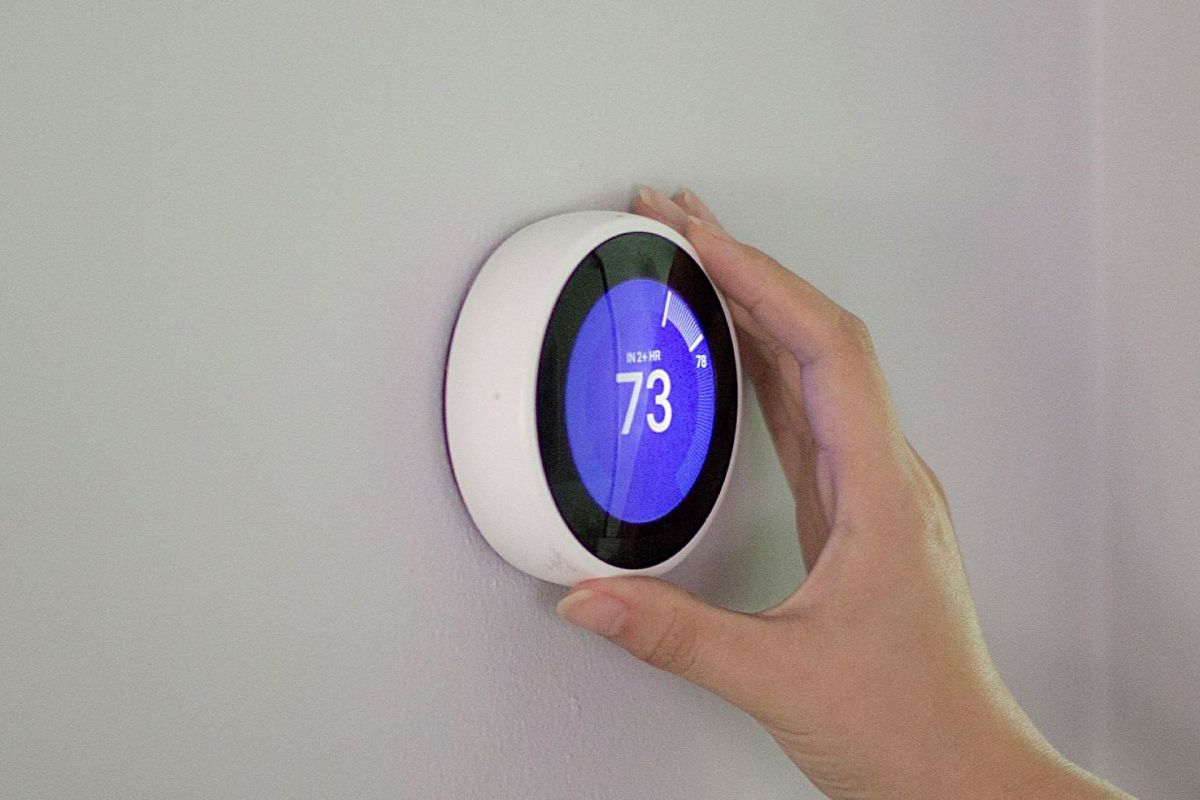
Owners of two older Google Nest models may be able to keep their home-energy controls instead of replacing them. A developer's workaround can restore connected features to the unsupported thermostats, potentially keeping them out of the electronic waste stream.
Here's what to know
The manufacturer's first- and second-generation learning thermostats lost key functions and access to company servers when support ended on October 25, 2025, as SlashGear described.
Developer and security researcher Cody Kociemba built No Longer Evil, an open-source project designed to restore many of those capabilities.
The outlet noted No Longer Evil routes the thermostats' network traffic to an alternative server, bypassing Google's.
More background
According to SlashGear, a smart lock retained keypad access but lost many connected functions when its associated security system was shut down in 2024.
Google restored passcode controls and real-time alerts for the lock by adding support for it to the Home app in an April 2026 update. The outlet said the first-generation Nest Doorbell, Nest Outdoor, and Nest Cam IQ Indoor also gained support in Google's Home app.
TCD Picks » Quince Spotlight
💡These best-sellers from Quince deliver affordable, sustainable luxury for all




Those updates offered a company-led way to keep older equipment useful, while Kociemba's project provides an independent option for the two discontinued generations of Learning Thermostats.
SlashGear also pointed to the unofficial Google Graveyard website as evidence that this sort of sunsetting of still-good tech is common for the company. For many Nest users, Kociemba's work will provide a lifeline to extend their thermostats.
Keeping older equipment in service can avoid the need for a replacement and prevent electronic waste.
What can be done?
Owners can find firmware installation instructions and GitHub repository links on the official No Longer Evil website. These resources provide access to the firmware and a chance to review how the project works before making a change, SlashGear said.
Owners with the necessary technical skills can use a self-hosted server instead of the other server connection described by the project.
Would-be users of No Longer Evil should be cautious, though. It is an experimental product, and it might not always jibe.
On the project's website, Kociemba cautioned that the software could scuttle the device and advised against installing it on "any thermostat that is critical for your heating or cooling needs." For that reason, the site also recommended a backup device or being OK with the device not working throughout testing.
Where can I learn more?
Getting more life out of a thermostat can mean sorting out settings, wiring, or connection problems.
• A first-time homeowner lost heat after installing a smart thermostat, prompting warnings about the boiler setup.
• A homeowner's 1962 furnace stopped running long cycles after a thermostat setting change.
• A homeowner's house grew warmer after a smart thermostat installation, and commenters spotted a crossed wire.
• After a homeowner swapped thermostats, commenters suspected bad wiring rather than a dead air-conditioning compressor.

Get TCD's free newsletters for easy tips, smart advice, and a chance to earn $5,000 toward home upgrades. To see more stories like this one, change your Google preferences here.
Cool Picks






