


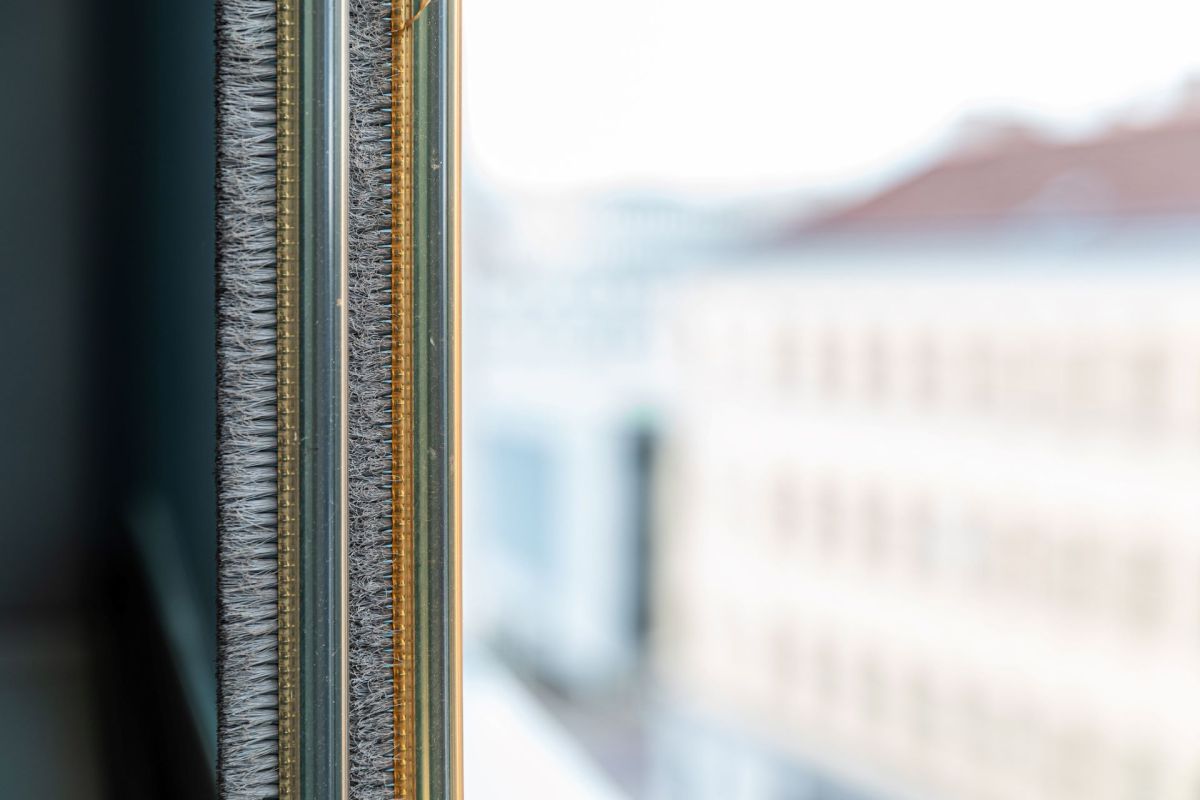
Allison Kirschbaum, a resident living beside a busy expressway, found an inexpensive way to soften traffic noise without spending thousands on replacement balcony doors.
Here's what to know
The solution started with brush weatherstripping, sold on Amazon in rolls costing roughly $10–$15, according to Kirschbaum's first-hand account on MakeUseOf. She noticed that the noise was loudest around the doors' seams.
The sliding balcony doors did not keep out the sound of cars, trucks, and motorcycles even when closed, Kirschbaum observed. Double-glazed replacements for the full-height glass panels would have cost thousands of dollars.
At the same time, the bed's position close to the balcony made the noise difficult to escape.
The middle seam between the two panels let in particularly loud traffic sounds, while gaps along the top and bottom edges also admitted noise. The writer identified these spots by listening around the closed frame as cars passed.
Grooves in the existing doors made brush weatherstripping an inexpensive option to test before considering replacement doors. Kirschbaum chose a self-adhesive version with soft bristles that fill gaps without preventing the panels from sliding.
TCD Picks » Quince Spotlight
💡These best-sellers from Quince deliver affordable, sustainable luxury for all




More background
After measuring the middle seam and the top of the frame, she checked for rubbing by opening and closing the doors.
Bristles that are too long can prevent the doors from moving smoothly, while those that are too short won't reach the adjoining surface. Some sliding doors use rubber seals instead. The seals can also reduce drafts.
Kirschbaum paired the seals with floor-length blackout curtains covering both sides of the doors. These replaced thin curtains that did little to soften the sound of passing traffic.
A thick rug near the balcony helped reduce the room's echo and made the floor more comfortable underfoot. The heavier curtains also blocked morning sunlight near the bed.
What can be done?
Kirschbaum began by cleaning years of dust and grease from the frame with a cloth dampened with a small amount of rubbing alcohol.
Once the surface dried, she peeled back a short section of the adhesive backing and attached the weatherstripping near the middle seam.
Working gradually helped keep the strip straight and prevented the exposed adhesive from sticking in the wrong place. The bristles lightly touched the adjoining panel, filling the gap without getting in the way.
After fitting the initial strip, Kirschbaum tested the door several times to make sure it still moved smoothly before treating the remaining gaps. Drain holes and moving parts were kept clear.
Renters should also check with their landlord before applying adhesive strips, which can leave marks when removed.
Kirschbaum expected to replace the strips if the brush fibers lost their shape or the backing came unstuck.
"I still hear motorcycles and big trucks, but the noise doesn't bother me as much as it used to," she assessed.
She encouraged those who can afford it to get double-glazed doors, but that didn't mean her "cheap fixes" weren't a welcome substitute.
"For now, though, I'm happy with what I've done," Kirschbaum concluded in the MakeUseOf piece. "I spent a few dollars, and my bedroom is a lot more comfortable at night."
Where can I learn more?
Gaps around doors and windows can let in drafts and traffic noise. Renters and homeowners have had to deal with related sliding-door drainage, draft detection, air sealing, insulating film, and condensation.
• A homeowner's sliding-door puddle pointed to weep holes that weren't draining properly.
• A two-minute paper test can help reveal drafty windows before calling a heating professional.
• A renter considering heavy vinyl for rotted windows got advice to prioritize air sealing.
• A renter considered €30 insulating window film for an apartment struggling to stay warm.

Get TCD's free newsletters for easy tips, smart advice, and a chance to earn $5,000 toward home upgrades. To see more stories like this one, change your Google preferences here.
Cool Picks






