


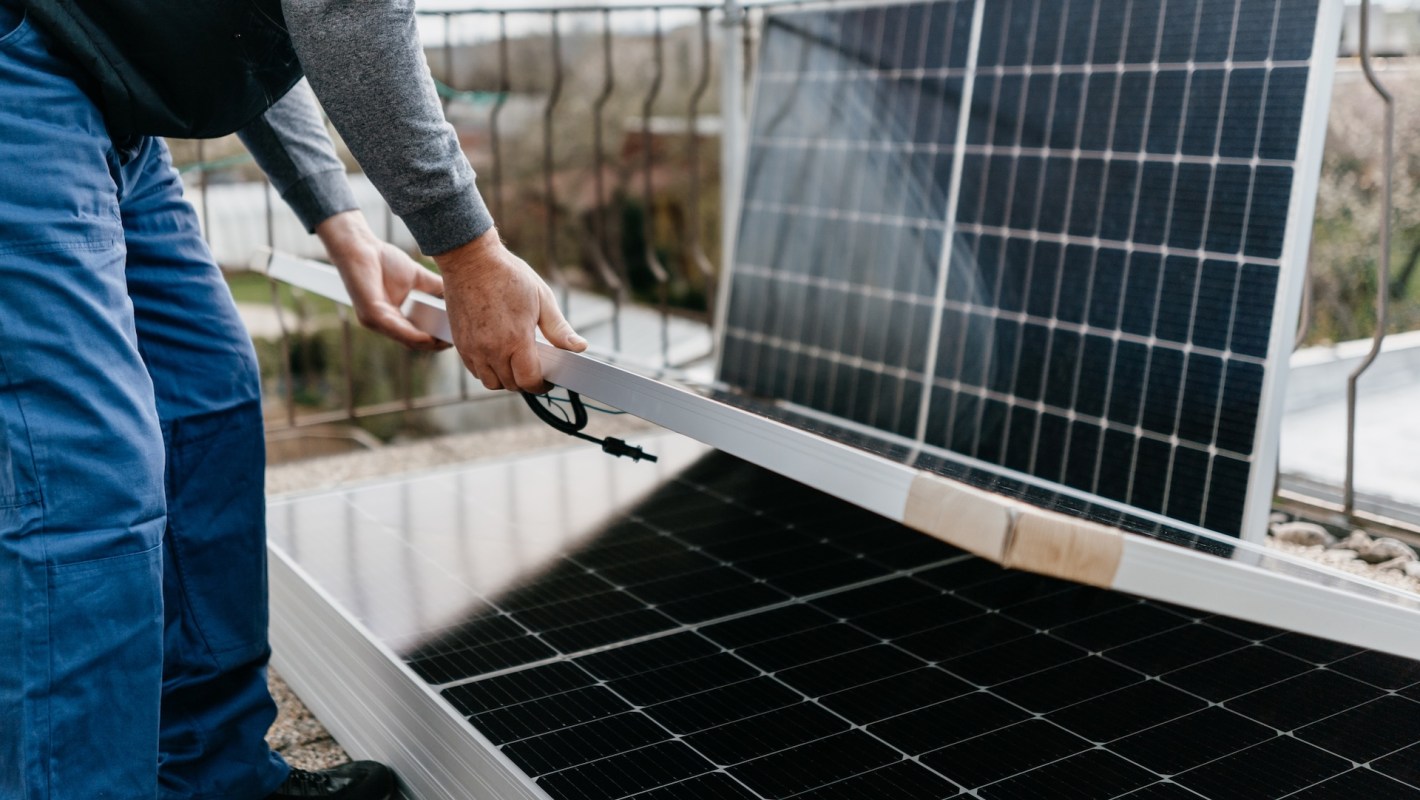
A handy Texas homeowner wants to install their own DIY ground-mounted solar system. They described handling the wiring and plumbing during their home's construction.
Here's what to know
In a post on Reddit's r/SolarDIY community, the homeowner asked for websites to help them understand the installation process before taking on the project.
The homeowner calculated that they use roughly 30,000 to 35,000 kilowatt-hours of electricity annually. That research gave the homeowner a starting point for choosing a system that could meet the home's power needs.
The homeowner said they have limited solar knowledge, but feel confident they can handle construction and wiring with instructions.
For a household exploring ways to lower electricity bills, residential solar may offer savings of hundreds of dollars per month, depending on the circumstances. EasyHome offers a free explorer tool to estimate potential savings and connect homeowners with vetted local installers.
More background
The homeowner has several acres available and plans to use a ground-mounted system rather than put panels on the roof.
The poster also noted that the soil is entirely sandy, a condition to consider along with the construction and electrical work involved in a ground-mounted system.
The homeowner estimates about five peak sun hours per day at the property in South Texas.
Crushed by your bills? See instant solar savings from vetted installers in just a few clicks With energy prices through the roof, there's never been a better time to go solar — and EasyHome can help you find the best prices from the best installers in your area. EasyHome takes the guesswork and headaches out of energy upgrades by showing you estimated savings from a network of vetted local partners. To get started, just enter your ZIP and share a few details about your home — seeing your estimate is really that easy. |

One commenter suggested: "Start by learning the basic units of measurement and how they relate to each other."
Another said, "I'd build a small system first to get a basic understanding of the components."
What can be done?
The homeowner's request focuses on learning resources, and many commenters suggested starting on YouTube to learn the basics.
Beyond the panels themselves, the homeowner also plans to include energy storage, noting that they "would do some battery backup as well."
For readers interested in the storage side of things, EasyHome also offers options for exploring battery storage. Pairing batteries with solar can help households manage electricity costs and provide backup power during outages, with the configuration depending on their needs.
After reading the comments, the poster said: "Thanks for all the pointers, definitely checking our wills channel and others, been watching videos just thought there might be something I was missing."
Where can I learn more?
Homeowners who have already built DIY solar systems offer a look at the costs and practical hurdles involved.
• A Texas homeowner's $35,000 DIY solar setup keeps the home off-grid 90% of the time.
• In Texas, a homeowner facing $350 bills and outages turned to DIY whole-home solar.
• In Texas, a DIY solar owner faced roof wind-load requirements while seeking permits.
• A Texas homeowner's $20,000 solar investment delivered 17.6 kilowatts but still left $350 electricity bills.
• A DIYer spent $28,000 on a 40-kilowatt solar build and started selling power back.

Get TCD's free newsletters for easy tips, smart advice, and a chance to earn $5,000 toward home upgrades. To see more stories like this one, change your Google preferences here.
Cool Picks






