


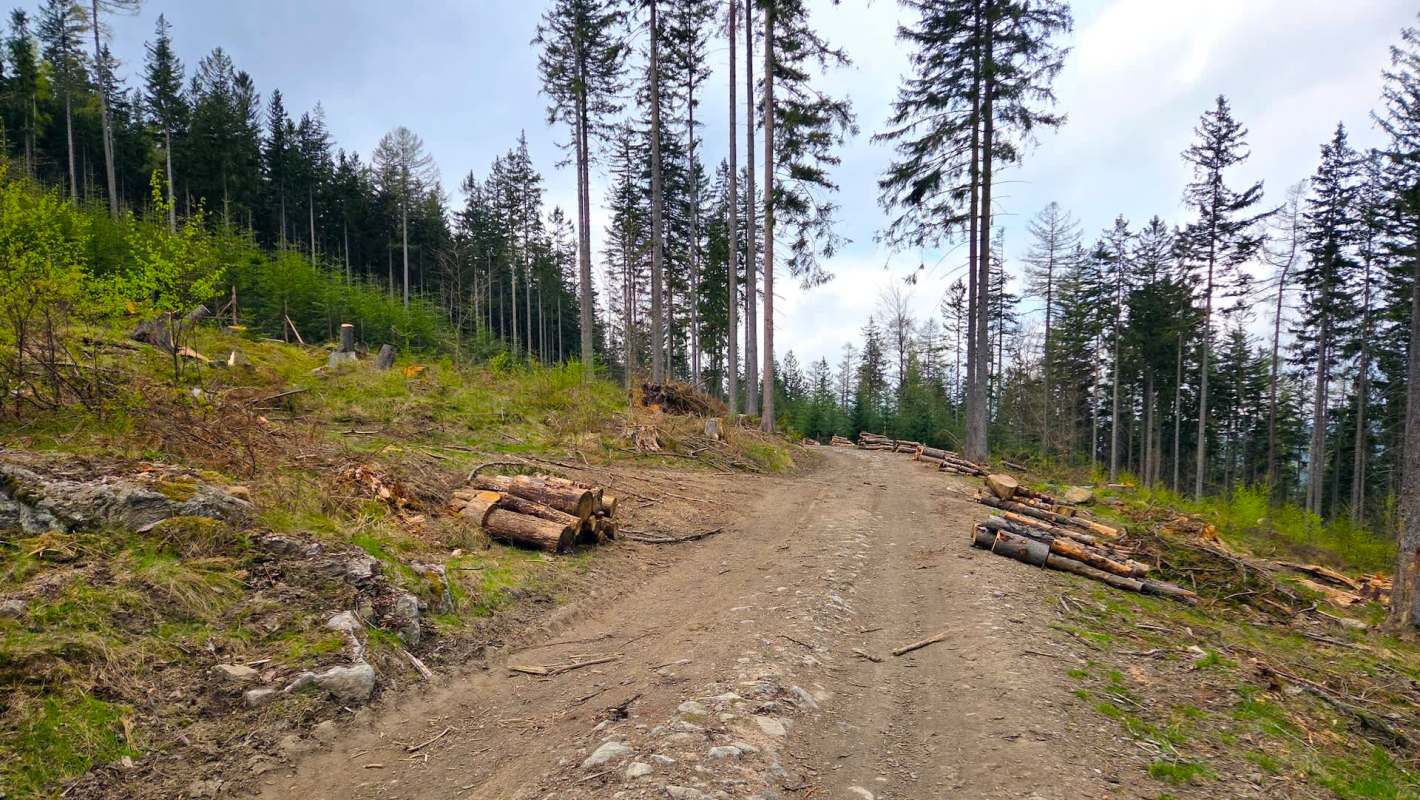
After filing a lawsuit in 2019, residents of one Ohio town are seeing their case go to federal court this week.
Their complaints involve claims that logging roads were cut into protected lands and that hundreds of trees were removed from a greenbelt that many hoped would help protect the community from buried toxic ash.
Residents near a former coal plant are seeking $3.3 million in damages from the site's new owner.
Here's what to know
Commercial Liability Partners bought the former William C. Beckjord coal plant's 1,443-acre property from Duke Energy in 2018. The Missouri-based company was sued in 2019 by Neighbors Opposed to Pit Expansion a Pierce Township residents' group.
The group controls the greenbelt easement, according to local news outlet WCPO, although CLP owns the land. A 1986 agreement requires the greenbelt to remain "substantially undisturbed" as a natural buffer to the coal plant and is the focus of the jury trial that began Nov. 9.
Concerns over tree removal
Of the estimated 250 trees felled in 2019, some reportedly stood 50 feet tall and included walnut, maple, cherry, and pine.
TCD Picks » Quince Spotlight
💡These best-sellers from Quince deliver affordable, sustainable luxury for all




CLP attorney Gregory DeGulis, however, said the agreement does not specifically mention trees or mature forest.
"'Substantially undisturbed state' is the main term we're arguing about," he said in his opening statement, per WCPO.
Allen Freeman, chairman of the Pierce Township Board of Trustees, told the news outlet that logging the trees followed CLP's efforts to sell valuable material from the property.
"We were walking the site, and you could just literally see how the tree line was just shaved off. The backs of trees that were just cut straight down," Freeman said.
Concerns over water quality
According to WCPO, Duke Energy closed Beckjord in 2014, leaving over 5 million tons of buried coal ash in unlined artificial ponds beside the Ohio River and about 1,000 feet from Clermont County drinking-water wells.
The buried waste reportedly contains toxic heavy metals that threaten groundwater, soil, and rivers.
More than 5 million residents of Greater Cincinnati and Northern Kentucky rely on the Ohio River for drinking water, while 145,000 residents reportedly use the Clermont County wells specifically.
What's being done?
A separate portion of the residents' lawsuit alleges that CLP failed to disclose information about excavating and moving coal ash. It also accuses the company of shielding itself from liability through a shell company, according to WCPO.
Clermont County has filed its own lawsuit against CLP, Duke Energy, and another owner to compel cleanup before contamination reaches the region's drinking-water supply. The county is seeking stronger groundwater monitoring, revised safety plans, routine emergency preparedness exercises, and a court-ordered contamination-prevention plan.
An inspection by the state's Environmental Protection Agency found noncompliance involving two ash ponds this past spring. The agency issued a violation in June.
Where can I learn more?
Residents in other communities are also challenging tree removal and seeking answers about pollution:
• North Carolina neighbors oppose cutting down two 100-year-old heritage oaks for a new home.
• In Massachusetts, 500 residents oppose a 278-acre clear-cut that Eversource calls a reliability project.
• West Virginia's rare chestnut grove could be bulldozed for an AI data center.
• In California, residents sue over toxic gases from a landfill, calling life unbearable.
• In Ohio, nearly 900 residents say settlement lawyers hid carcinogen data from them.

Get TCD's free newsletters for easy tips, smart advice, and a chance to earn $5,000 toward home upgrades. To see more stories like this one, change your Google preferences here.
Cool Picks







