


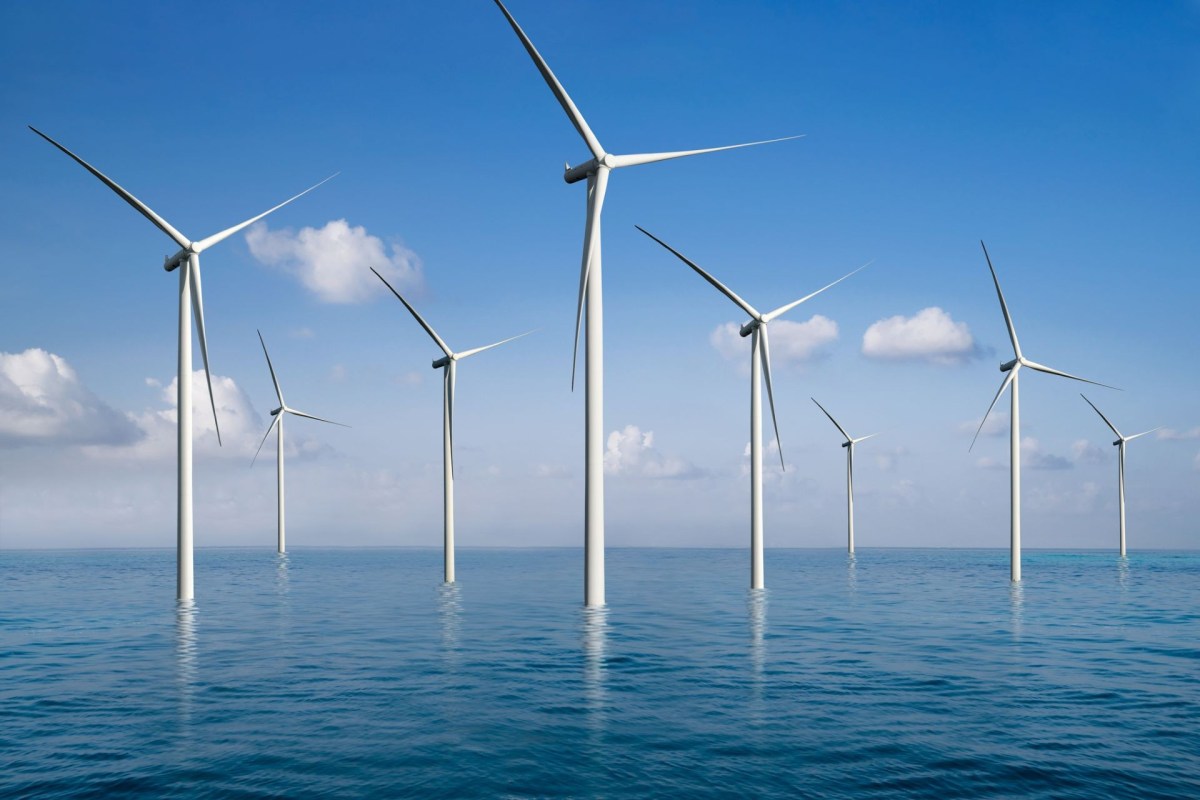
Lower energy bills could be one of clean power's strongest selling points, according to an international survey spanning the United States and Europe.
In eight of the 10 countries surveyed, respondents ranked generating more clean power above every other option for lowering energy costs.
Here's what to know
More than half of those polled in every country said they were concerned about Earth's warming and its effects, according to Euronews. United Kingdom-based consultancy Mandate Research commissioned the survey, which covered the U.S., U.K., Germany, France, Spain, Italy, Poland, Sweden, the Netherlands, and Hungary.
Increasing non-renewable energy production or buying more oil and gas from Russia ranked below expanding clean power.
In Hungary, 64% expected a move to renewable energy to cut bills, while 22% disagreed. In Italy, 55% expected lower bills, while 22% disagreed, Euronews reported.
Only 12% of respondents in the Netherlands reported benefits from environmental policies, while 54% said those policies had harmed ordinary people. Confidence in government policy fell short of the support for clean power.
TCD Picks » Quince Spotlight
💡These best-sellers from Quince deliver affordable, sustainable luxury for all




Respondents placed the goal of net zero by 2050 near the bottom of their list of climate priorities, per Euronews.
More background
European governments face pressure to make energy more affordable following cost-of-living protests in Paris, Brussels, Rome, and Lisbon, Portugal, according to Euronews.
One source of concern is ETS2, the European Union's second emissions trading system. Scheduled to begin pricing carbon from building and road transportation fuels in 2028, the program has raised concerns about added costs for households and small businesses.
Italy, with support from Greece and the Visegrad Group, has sought to defer the program to 2030 or later. Nordic countries, however, have warned that diluting it would make investment conditions less predictable for the clean-energy transition, Euronews noted.
At their Oct. 15-16 summit, EU leaders asked for a fresh review of the program's effects instead of approving a further postponement.
What's being done?
Energy efficiency, electricity connections between countries, and electrification are the focus of EU energy ministers' discussions about a post-2030 framework, Euronews reported.
Those decisions will help determine how governments pursue the bloc's 2040 pollution-reduction target and its goal of climate neutrality by 2050.
France and 14 other Nuclear Alliance members want an approach that recognizes nuclear power alongside renewables. Spain, Portugal, and Luxembourg support setting a separate target for renewable energy, per Euronews.
Climate campaigners, meanwhile, are calling for enforceable goals and tougher oversight to keep flexibility from eroding commitments.
Despite those disagreements, most EU governments agree that funding renewable power, grids, storage, and electrification can make energy systems less exposed to volatile prices associated with non-renewable energy sources.
Still, those projects require money, infrastructure, and years of work before households may benefit. Less certainty for investors could complicate that work.
Cypriot Energy Minister Michael Damianos emphasized the importance of practical delivery, saying the framework "will only succeed if targets are realistic, mutually consistent, adequately funded, and simpler to implement," according to Euronews.
Where can I learn more?
Investment decisions and grid capacity help determine whether clean power leads to lower household bills.
• In Texas and California, solar cut power prices, but delivery costs kept bills rising.
• U.S. households could pay $6,500 more for energy by 2040 as clean projects get axed.
• The U.K. and France back tidal power that could lower bills despite higher generation costs.

Get TCD's free newsletters for easy tips, smart advice, and a chance to earn $5,000 toward home upgrades. To see more stories like this one, change your Google preferences here.
Cool Picks






