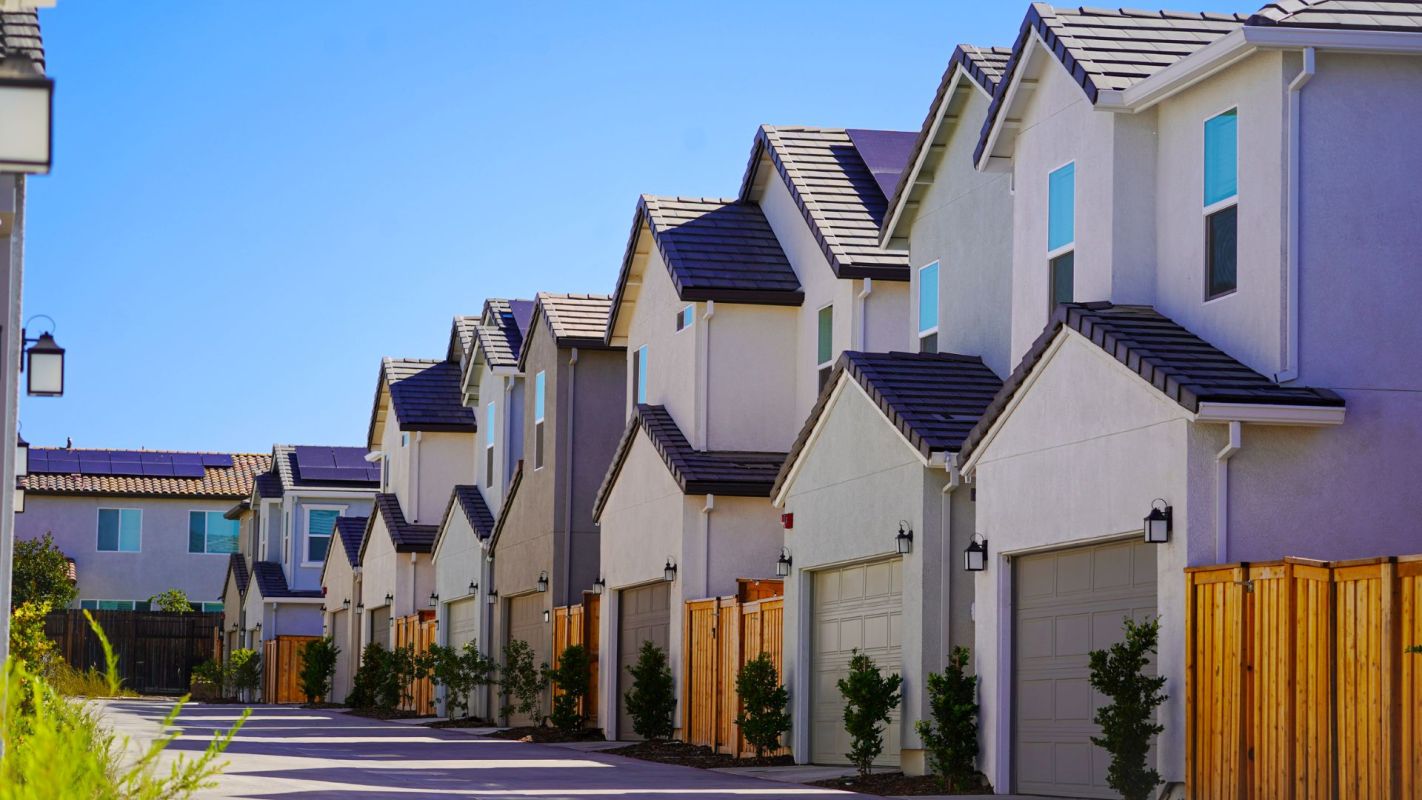
A California homebuyer preparing to close on a townhome said they discovered that the nine-home association had just $6,800 in reserves, even as monthly dues were set to reach $768.
Here's what to know
Posting in Reddit's r/FirstTimeHomeBuyer community, the buyer asked whether requesting a $3,000 seller credit was reasonable before releasing their final HOA-related contingency. The property was in Southern California.
The association had approximately $6,800 in reserves as of October, but the buyer did not have a reserve study to help identify major expenses ahead. The latest available study was from 2021 and put reserve funding at just 3.1%.
The buyer said monthly dues would reach $768 in January, up from $640 — a 20% increase. That would add $128 a month, or $1,536 annually, to the buyer's housing costs.
"Our bigger concern is the lack of visibility into future capital requirements and the possibility of substantial special assessments," the original poster wrote.
More background
The seller's written disclosures indicated no planned dues increases even though the listing agent verbally raised the possibility before the buyer submitted an offer. The buyer said they learned the amount only after asking repeatedly during due diligence.
TCD Picks » Quince Spotlight
💡These best-sellers from Quince deliver affordable, sustainable luxury for all




The association said it was trying to save more after acknowledging that its reserves were insufficient.
In a follow-up, the buyer explained that the requested credit would put some of the financial burden on the sellers after they benefited from lower dues during their ownership.
Commenters wondered whether the association had enough money to cover repairs. One questioned whether a roof replacement or even an insurance deductible would be within its means.
Another commenter with HOA board experience in three states described the reserves as "extremely concerning" and argued against the credit request since the buyer "had the same facts at the same time as the seller" and "there was no surprise here."
What can be done?
The buyer was considering a brief extension of the HOA contingency to further investigate the association's finances. Their agent, meanwhile, suggested removing the contingency only if the seller agreed to the $3,000 credit.
Commenters recommended reviewing the condition of common areas, checking whether major projects had depleted the reserves, and examining meeting minutes.
One commenter wanted to know whether a common-area inspection had checked for major repairs that might trigger a special assessment. The buyer wanted to review the reserve balance and reserve study to evaluate the purchase before releasing the contingency.
"Honestly I'd be less concerned with the HOA fee increase and more concerned with the lack of reserves. There's nothing wrong with moving forward as long as your expectations are set properly. … Again the decision to move forward is yours. Just go into it knowing what to expect. Because that low of reserves is basically nothing. Either the fees are way too low, or they recently used them for improvements, or the reserves are being mismanaged," another user wrote.
Where can I learn more?
An HOA's finances can affect whether a purchase goes through and what owners pay after closing.
• A condo buyer's nearly empty HOA reserves pushed financing toward 10%, derailing the purchase.
• In California's Coachella Valley, monthly HOA fees reach $1,887 for some condos.
• California condo owners could face higher HOA fees under a 30-year reserve funding bill.
• An Irvine condo buyer discovered a second HOA fee of $58 after closing.
• A California HOA bill could raise fees for millions if signed by the governor.

Get TCD's free newsletters for easy tips, smart advice, and a chance to earn $5,000 toward home upgrades. To see more stories like this one, change your Google preferences here.
Cool Picks