


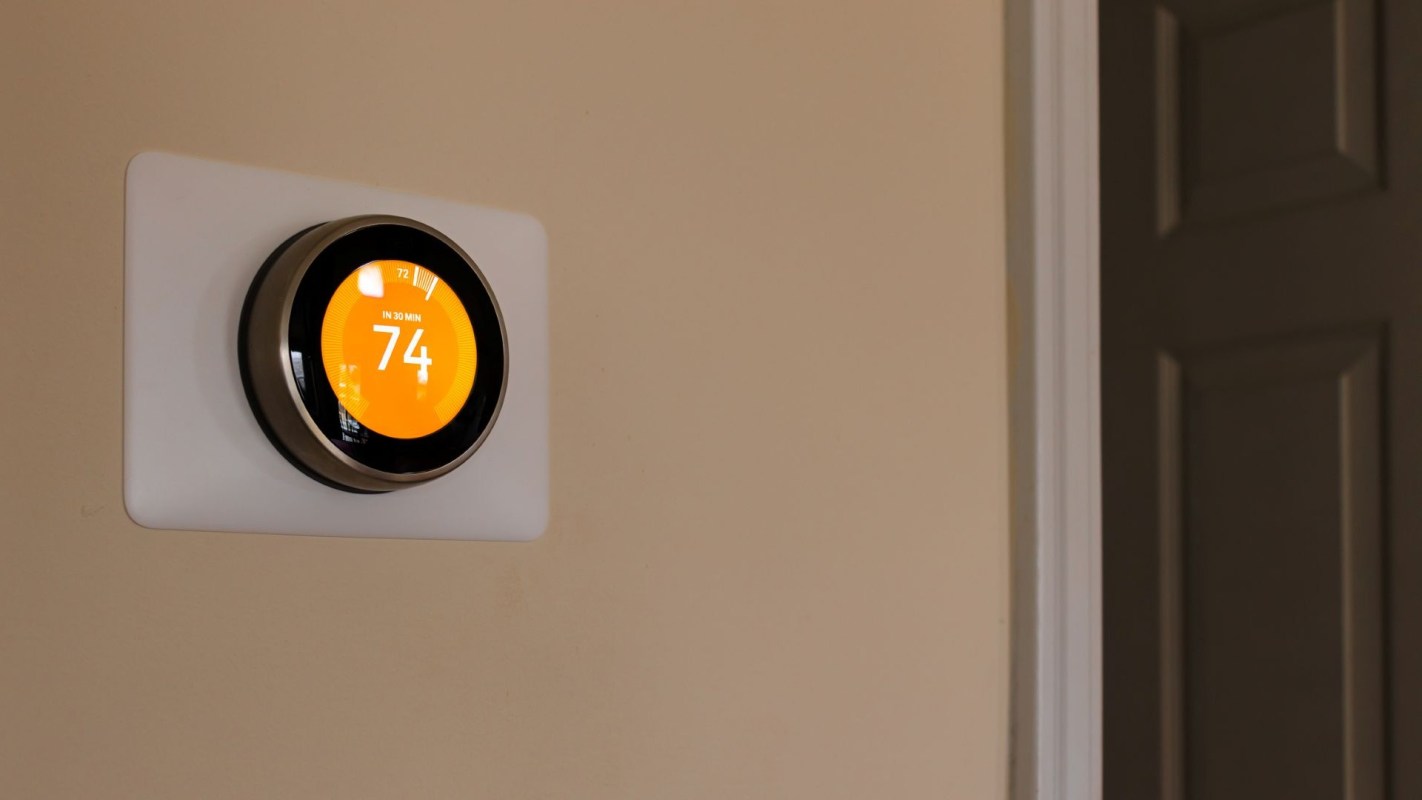
Homeowners with a Google Nest thermostat can consult its built-in heating records to investigate an unexpectedly high winter heating bill.
Here's what to know
Owners of the smart home technology can review 10 recent days of furnace activity with Nest's Energy History, rather than monitoring each cycle themselves. According to BGR, the feature records both the timing and duration of a home's heating and cooling use.
As the outlet explained, "the gadget actually has the tools to give you deep, accessible visibility into your home's climate control habits." And considering the ever-rising costs of heating and cooling a home in America, this energy monitoring has the potential to seriously help curb high bills.
BGR broke down how Nest thermostat users can find this 10-day Energy History. It explained that the color-coded Energy History can be viewed in either the Google Home app or the Nest app. The color-coded history timeline uses orange bars for heating and blue bars for cooling.
In the Google Home app, users can find the page by going to the climate page, tapping the Energy Dashboard, and selecting a daily view. In the Nest app, the thermostat icon gives users access to their energy history.
Based on this information, homeowners can compare their busiest heating (or cooling) days with what was happening at home and outdoors. BGR cited unusually cold weather and repeated manual temperature adjustments as two possible explanations for longer heating runs.
TCD Picks » Quince Spotlight
💡These best-sellers from Quince deliver affordable, sustainable luxury for all




With this tech, homeowners can fine-tune their heating schedule and spot costly habits by regularly reviewing their Energy History.
Owners who prefer not to use a phone app can still check their heating activity on the thermostat's timeline. To do so, as BGR explained, press the outer ring to open Quick View, then navigate to the history on the display.
Where can I learn more?
Thermostat settings and the way your heating system runs can help explain patterns in your Nest history.
• A homeowner stopped long furnace cycles on a furnace from 1962 with one thermostat adjustment.
• HVAC experts recommend 68 degrees by day and cooler nighttime settings to reduce heating costs.
• A first-time homeowner lost heat after installing a smart thermostat on a boiler system.

Get TCD's free newsletters for easy tips, smart advice, and a chance to earn $5,000 toward home upgrades. To see more stories like this one, change your Google preferences here.
Cool Picks






