


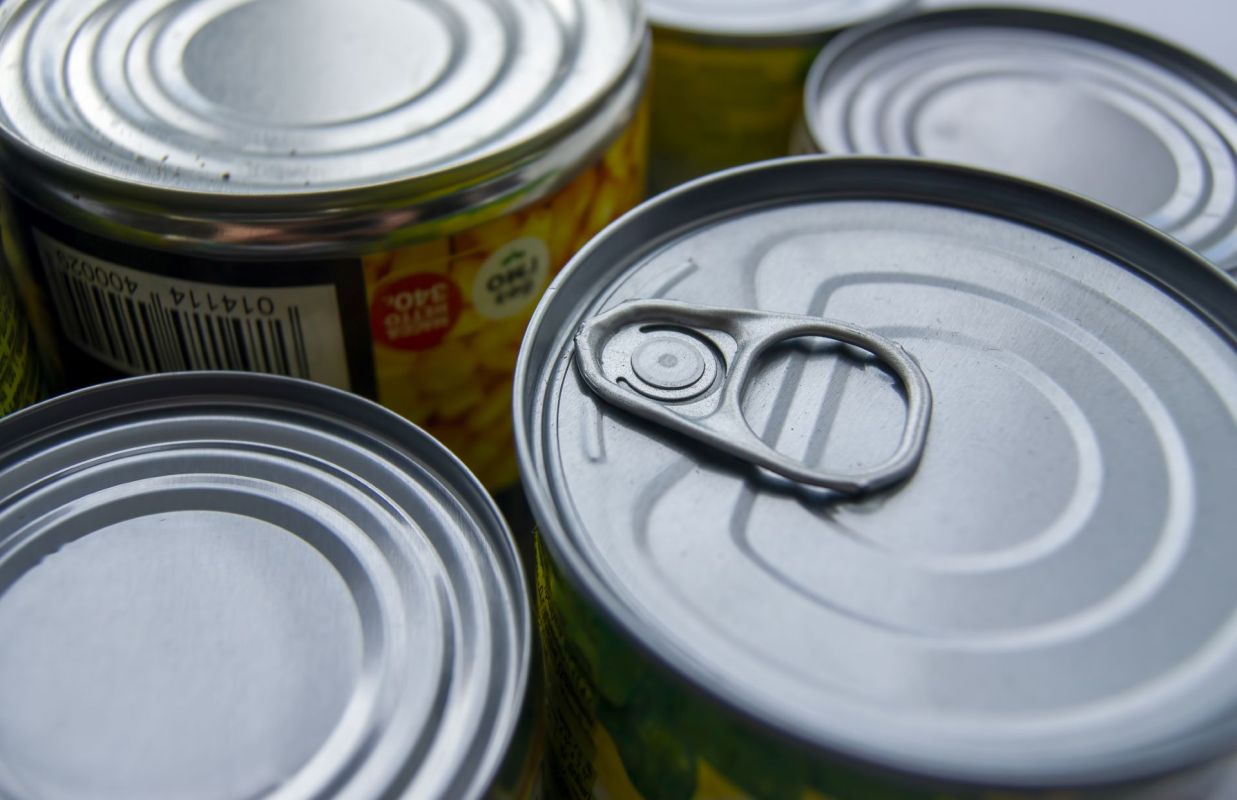
Ian Ferguson, a 71-year-old British Army veteran, has enough canned food in his shed to feed himself for at least 100 days.
But helping friends and family through a disruption is part of Ferguson's plan, not just safeguarding his own household.
Here's what to know
Ferguson, a father of two who runs a Weymouth taxi business in Dorset, began gathering supplies in 2022 because of the war in Ukraine, according to SomersetLive.
Thirteen large ASDA delivery boxes now hold the food he accumulated by buying a few extra cans on his weekly grocery trips.
His stockpile offers a selection of soups, fruit, beans, rice pudding, stews, and curries. Ferguson estimates that six cans would comfortably cover his daily food needs.
"Originally I thought I'd get to 500, then I got to 600, but I don't think I'm going to stop," Ferguson said, per SomersetLive.
TCD Picks » Quince Spotlight
💡These best-sellers from Quince deliver affordable, sustainable luxury for all




Supermarket shortages are the risk Ferguson hopes to guard against by maintaining his own food supply.
More background
Ferguson served in the British Army in the 1970s. Along with concerns about nuclear, chemical, and biological warfare, he worries about the disruptions that can follow a cyberattack.
Pointing to attacks affecting water companies and supermarkets, Ferguson noted that dependence on digital systems could leave supply chains vulnerable if those systems fail.
He also favors keeping cash on hand in case phones lose power or payment machines stop working.
Alongside sleeping bags, camping stoves, an axe, and a saw, Ferguson keeps water filtration tubes and wind-up radios.
Dietary needs should guide food storage choices, Ferguson stressed, with allergies an important consideration.
What's being done?
According to SomersetLive, the government introduced Be Ready in October, a campaign encouraging households to prepare for interruptions to routine services while easing demand on emergency responders.
Ferguson wants officials to explain the risks more clearly. He also suggested selling starter kits to help people begin preparing.
Although he does not own solar panels, he sees an opportunity for neighbors with solar equipment to contribute to a community response.
"If you have a community you can share stuff and work out nice things. I'm not looking at being the whole thing, I'm looking at being an active member of a community," he said.
Ferguson acknowledged that his supplies might never be needed, potentially leaving him with £1,000 or £2,000 spent on unused food. Still, he would rather have provisions on hand than face an emergency with money he cannot exchange for food.
"Food isn't the only answer. This whole thing isn't about me sitting there watching people starve."
Where can I learn more?
Other U.K. preppers have shared their own approaches to keeping food and emergency supplies on hand.
• Preppers urge households to rotate emergency food supplies rather than leave them untouched.
• A prepper's annual £200 food purchase creates a month-long buffer for four family members.
• Preppers are preparing for everyday disruptions rather than bracing for a doomsday scenario.
• After a U.K. mom ran short of money, preppers recommended testing her existing supplies.
• A British prepper with a £315,000 bunker recommends families keep £5,000 cash plus supplies.

Get TCD's free newsletters for easy tips, smart advice, and a chance to earn $5,000 toward home upgrades. To see more stories like this one, change your Google preferences here.
Cool Picks






