


Preparing for an emergency may bring to mind backup power and survival gear, but one ambulance service volunteer urged people to start with something less exciting: a will, insurance, and savings.
Here's what to know
In a post on Reddit's r/UKPreppers community, the volunteer asked what back-to-basics advice others would offer newcomers. People often asked them whether to buy a power station or candles, but they were more concerned about the fundamental protections households might overlook.
"My biggest advice is that if you are looking to build resilience don't forget to think of the boring stuff," the original poster wrote.
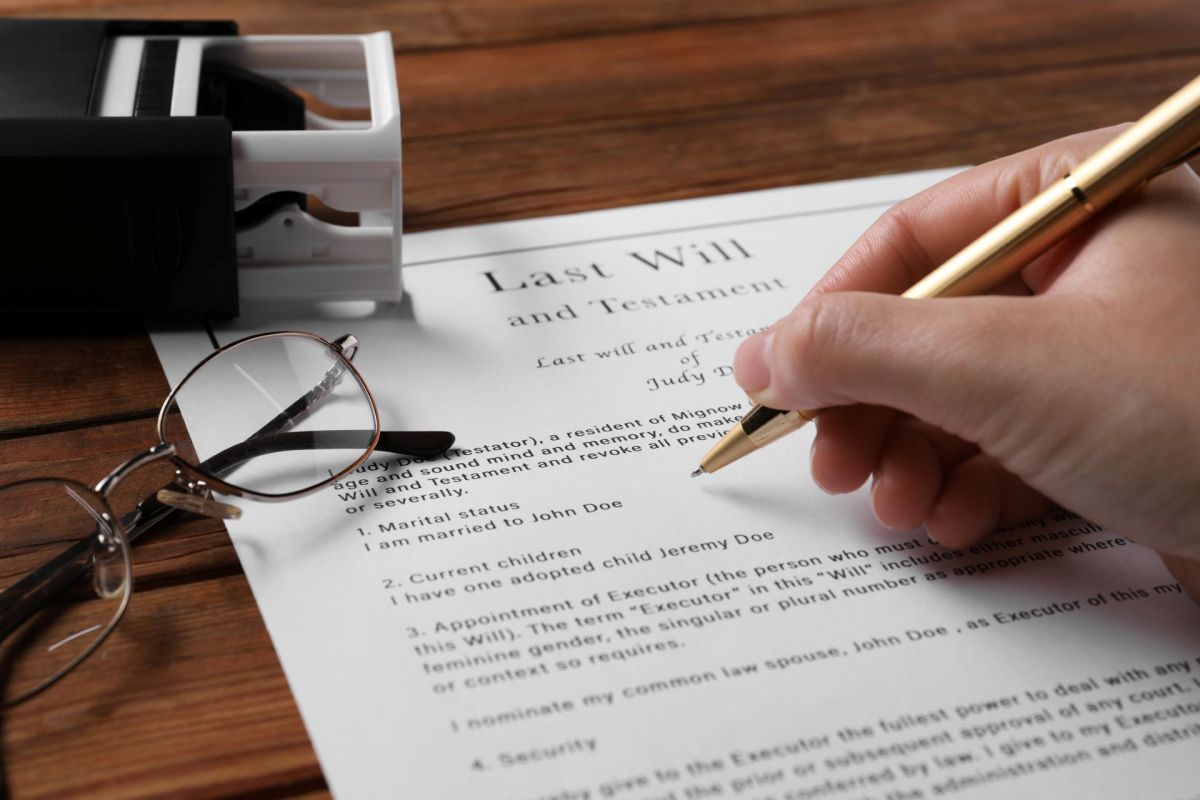
The checklist opened with ways to protect family finances. Along with home insurance to help a household recover from a major leak or fire, the volunteer recommended life insurance and a will to protect family members.
Job loss was another risk the volunteer asked readers to consider. They suggested learning a side trade as a fallback, as well as having an emergency fund or income protection insurance.
The volunteer's advice for being stranded away from home paired breakdown coverage — for instance, if a car engine has trouble — with a few supplies like a blanket, water, and snacks.
TCD Picks » Quince Spotlight
💡These best-sellers from Quince deliver affordable, sustainable luxury for all




More background
For power outages, the OP suggested a sleeping bag to keep warm. They also advised storing enough water to cover the wait for emergency distribution and enough food to avoid supermarket trips during a bout of flu.
Commenters also emphasized preventing avoidable damage. One pointed out the extra damage a heavy storm can cause when gutters and roofs have been neglected and urged readers to maintain both.
That commenter also advised keeping electric vehicles charged to 80% and fuel tanks topped up, alongside maintaining cars.
Another commenter urged families to plan how a disabled relative would evacuate, accounting for electrically powered devices, mobility equipment, and prescriptions.
Planning ahead for pets includes arranging carriers and bedding, as well as food and medication.
What can be done?
The OP urged readers to check the age of their smoke and carbon monoxide alarms and test them as simple first steps.
They also suggested storing important documents, backups of family photos, cash, and handwritten contact numbers together in a fire safe. Readers should also check whether they are on the Priority Services Register (a free service in England, Scotland, and Wales that provides extra support, including in the event of an electricity, gas, or water interruption).
Commenters' inexpensive suggestions included small-denomination cash and materials for temporary repairs, such as rope, glue, duct tape, and cable ties. They also recommended a basic toolkit and knowing how to use it safely.
One commenter suggested keeping an extra month of prescription medication as a rotating reserve and asking a GP about obtaining the additional supply.
Another encouraged learning pedestrian routes and shortcuts, while someone else suggested getting to know neighbors and keeping keys, wallets, and phones easy to find.
A commenter who regularly used their first aid kit emphasized that knowing how to use its contents was just as important as having it available.
The OP said learning should come before buying more medical equipment.
"I always tell people a fully charged phone will save more lives than any of that stuff and if you want to spend money on it start with training," they said.
Where can I learn more?
The volunteer's focus on savings and everyday planning comes up in other preppers' advice, too.
• After water damage drained savings and ruined stored food, preppers urged tackling debt first.
• A prepper keeps $400 in emergency cash, emphasizing small bills for card outages.
• A renter questioning preparedness received advice to prepare for everyday disruptions, not doomsday.

Get TCD's free newsletters for easy tips, smart advice, and a chance to earn $5,000 toward home upgrades. To see more stories like this one, change your Google preferences here.
Cool Picks






