


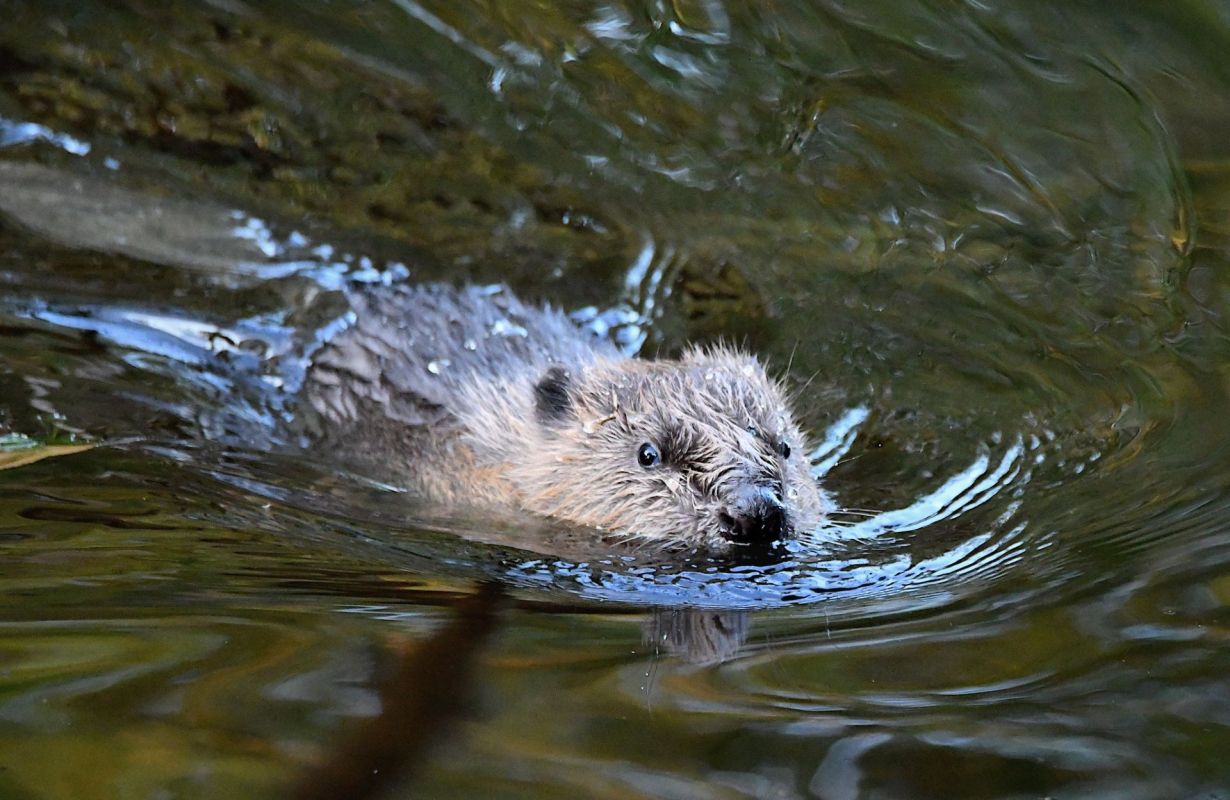
Six beavers have a new home in Scotland's Loch Ness catchment, marking the animals' return about five centuries after the area's last recorded sighting.
Here's what to know
Relocated from farmland where they were causing damage, the furry newcomers could help restore wetlands while testing how wildlife recovery and local land use can coexist.
Dundreggan, a rewilding estate in Glenmoriston, is the family's release site, BBC News reported. The group includes a mother, two juveniles roughly two years old, and three younger offspring.
Before the move, all six underwent health checks at Five Sisters Zoo's specialist beaver holding facility.
Trees for Life and the Beaver Trust received their release license from NatureScot. Through the Ness Beaver Project, the organizations plan to introduce at least 15 beaver families over three years to rivers, lochs, and lochans in the Loch Ness area, allowing populations to grow and connect.
Attempts to manage damage to prime agricultural land had either failed or proved impossible where the beavers previously lived.
TCD Picks » Quince Spotlight
💡These best-sellers from Quince deliver affordable, sustainable luxury for all




"I can see them swimming and very calm, which is a really good sign," said Trees for Life's chief executive, Steve Micklewright, per BBC News.
More background
According to BBC News, the historical record most often cited as Scotland's last beaver sighting dates to 1526 to 1527 and places the animals around Loch Ness. Hunting wiped out Scotland's beavers roughly four centuries ago; reintroductions began in 2009.
In 2022, NatureScot identified the River Ness catchment as one of the country's most suitable locations for the animals.
At Dundreggan, the beavers' ponds are expected to have a positive impact on the ecosystem. Insects breeding in the water could provide food for bats and birds, while frogs and dragonflies are expected to benefit from wetland habitat, pools, and woodland clearings. The beavers create these spaces by digging channels, cutting back trees, and building dams.
Better water quality is another potential benefit for smaller streams, according to Trees for Life, since beaver dams capture sediment and slow the flow.
"The Ness Beaver Project is now set to be a major milestone for nature recovery in Britain," Alan McDonnell, who heads nature restoration at Trees for Life, said, per the BBC. "Five hundred years since Loch Ness became the last recorded site of Scotland's beavers before they were eradicated, they are back with the space and habitat to flourish."
NatureScot said more than 73% of those who responded to the applicants' consultation supported the proposal.
What's being done?
While the beavers could help restore the surrounding ecosystem, their return has also raised concerns about fish movement.
Identifying any effects on the River Ness and finding ways to mitigate them will require cooperation among organizations, Brian Shaw of the Ness District Salmon Fishery Board told BBC Scotland.
During spawning and their spring journey downstream, close monitoring will ensure salmon and trout can pass through smaller burns. Shaw identified beaver dams, especially in those waterways, as a concern.
Trees for Life plans to offer guided tours at Dundreggan once the animals have settled, allowing visitors to observe beavers and spot signs of their activity, BBC News reported. The announcement of additional release locations will wait until the beavers have acclimatized to their surroundings.
"The key is just transparency and openness between all organisations so we all know the situation as it develops. The population is likely to expand rapidly and the potential for conflict will increase over time but hopefully as we learn along the way we can manage it well," Shaw told BBC Scotland.
Where can I learn more?
Making room for beavers while managing their effects on nearby land is a challenge being tackled well beyond Loch Ness.
• In west London, a beaver is helping provide natural flood control for the surrounding area.
• Michigan's Oakland University installed a 'Beaver Deceiver' to prevent flooding while sparing the animals.
• In California, people built imitation beaver dams, and coho salmon survival rose from 8% to 60%.

Get TCD's free newsletters for easy tips, smart advice, and a chance to earn $5,000 toward home upgrades. To see more stories like this one, change your Google preferences here.
Cool Picks







