


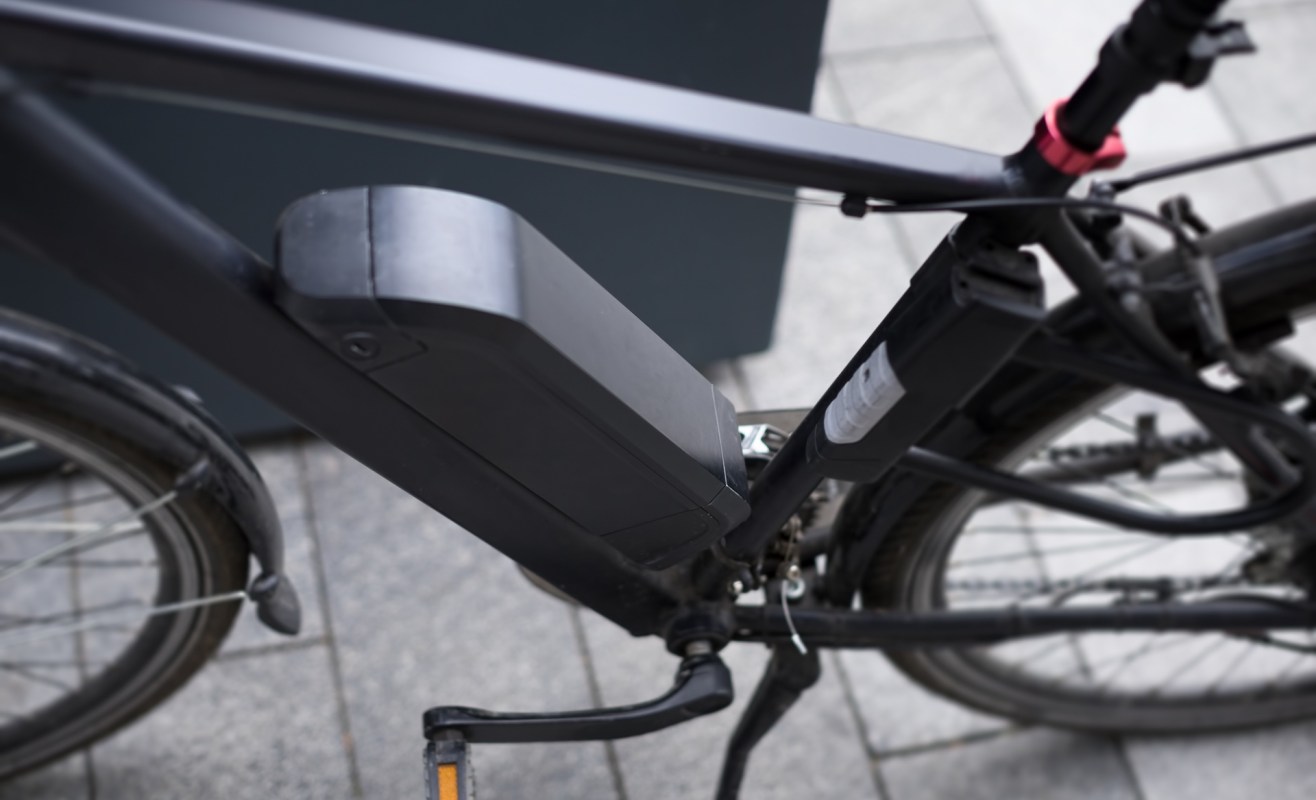
Family concerns about battery fires put an insulated garage off-limits to an e-bike owner preparing for a snowy winter.
Neither of the remaining storage spots offered the garage's insulation.
Here's what to know
In a post on Reddit's r/EBikes community, the owner explained that they had purchased a secondhand Velotric T1. The owner expected to leave it parked for the winter because its small road tires would likely be unsuitable for the heavy snow in the forecast.
Temperatures in their area typically ranged from about 30 to 40 degrees Fahrenheit, occasionally dipping into the 20s for a few days. Although the owner described the climate as dry, they worried about protecting the battery's long-term health while storing the bike outside the insulated garage.
"I tried to convince them otherwise, but it didn't work," the original poster wrote.
Their other options included an uninsulated shed and a space beneath a deck, both of which left something to be desired.
TCD Picks » Quince Spotlight
💡These best-sellers from Quince deliver affordable, sustainable luxury for all




More background
According to the owner, the bike's battery wasn't removable, so bringing only the battery indoors wouldn't solve the problem.
One commenter distinguished between a battery producing heat during charging or discharging and one sitting idle. That distinction informed their response to the owner's question about wrapping insulation around the frame. During storage, they said, insulation alone would not change the battery's temperature.
The area's dry climate did not rule out the corrosion concern raised in the replies. One participant cautioned that moisture in an unheated shed could cause the bike's hardware to rust.
What can be done?
Temperature monitoring was central to another contributor's cold-garage setup. They placed a probe beneath one battery while keeping their batteries on a cat bed set to minimal heat.
"The goal is to add just enough heat to keep it above freezing so it will take some monitoring with a digital thermometer with a temperature probe that can be placed between the pad and the battery," they wrote.
The setup earned praise from another participant: "That is an incredible level of care. Respect."
One commenter cited protection from the elements as the reason for choosing the shed rather than the space beneath the deck. The same user suggested keeping the battery at a 50%-80% charge during storage.
To track that charge, the first commenter suggested using a Kill-A-Watt plug-in meter to measure the electricity consumed during charging. Their proposed method involved measuring a full charge, then using a portion of that energy measurement to prepare the battery for storage.
"The shed should be fine," they asserted. "The bike should be water-resistant, but don't expose it unnecessarily, so I wouldn't put it under a deck all winter."
Where can I learn more?
Other e-bike riders and homeowners have also weighed fire risks when deciding where to keep their batteries.
• An e-bike rider used a metal tub for storage after battery abrasion exposed cells.
• Solar users discussing batteries beneath bedrooms said modern LFP packs rarely ignite.
• Tesla Powerwall owners said local codes may allow garage installations despite advice favoring outdoors.

Get TCD's free newsletters for easy tips, smart advice, and a chance to earn $5,000 toward home upgrades. To see more stories like this one, change your Google preferences here.
Cool Picks






