


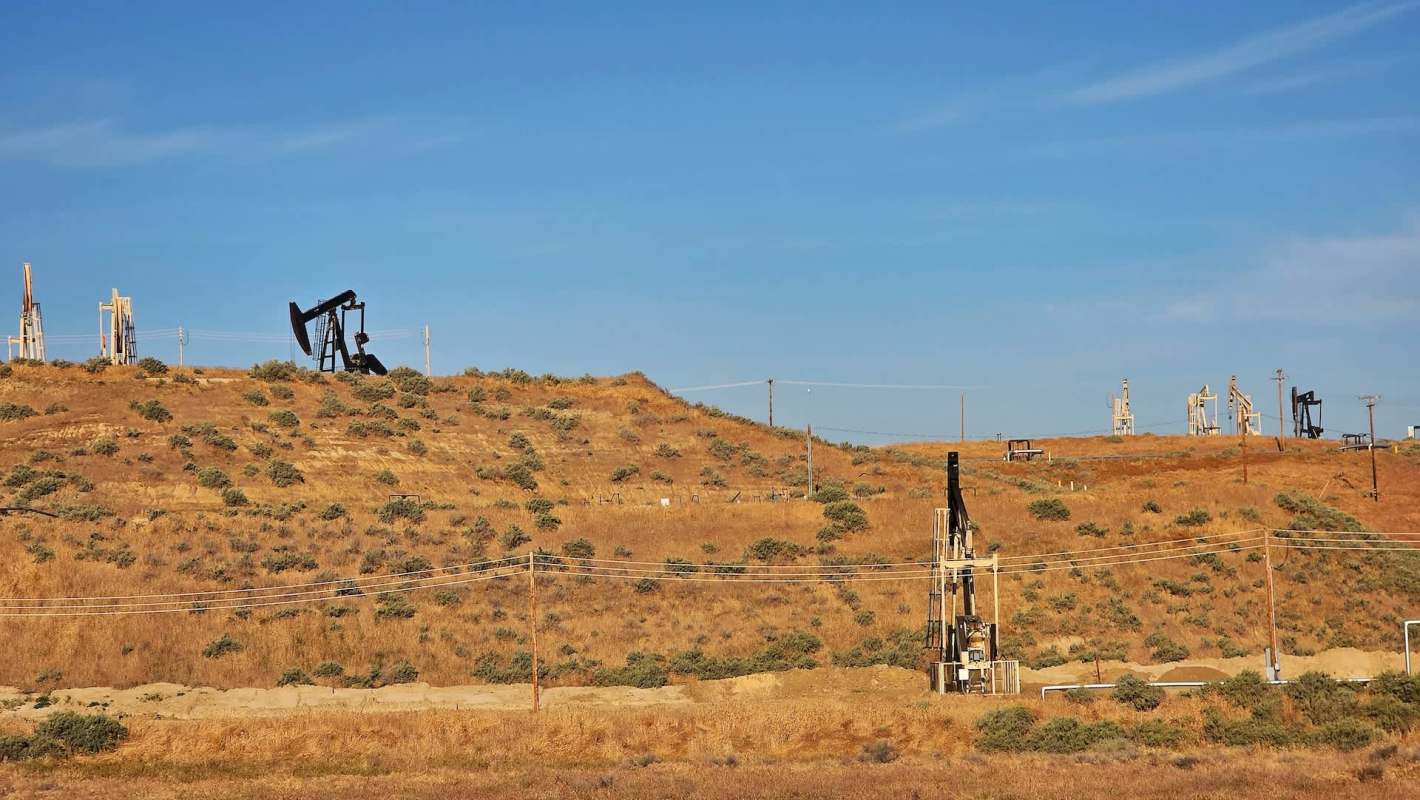
A judge has found that the approval of California's first operating carbon capture and storage project violated state environmental law.
Here's what to know
The industries expected to supply carbon dioxide to California Resources Corp.'s Carbon TerraVault 1 needed scrutiny that its environmental review didn't provide, Kern County Judge Marcos Camacho found, CalMatters reported. County supervisors approved the project in October 2024.
The assessment named eight possible suppliers, among them hydrogen, cement, and steel manufacturers. But it didn't evaluate how those facilities could affect surrounding communities.
Camacho wrote that excluding those likely sources "infects the informational foundation for the whole Project."
The facility currently stores carbon dioxide separated from gas CRC extracts from its own Elk Hills oil field. TerraVault 1 has capacity for up to 50.7 million U.S. tons (46 million metric tons) of carbon dioxide.
The company's online project tracker showed that injections were continuing, and it said in a regulatory filing that the ruling's impact on its operations wasn't yet clear. The court hasn't yet issued a final judgment.
TCD Picks » Quince Spotlight
💡These best-sellers from Quince deliver affordable, sustainable luxury for all




More background
Carbon capture and storage is part of California's plans for addressing climate change, according to CalMatters. The company plans at least nine storage projects across the state, starting with TerraVault 1.
A Clean Air Task Force map found more than 15 comparable projects already underway across California.
Air pollution and the possibility of carbon dioxide escaping from pipelines or underground reservoirs worry some residents. Kern County policymakers, though, saw carbon storage and the industries that might supply it as a possible investment boost for an economy still tied to oil.
Coal and gas power plants expose communities to harmful pollution, contributing to air and water contamination linked to asthma, heart disease, cancer, and premature death.
Dependence on these fuels can also keep household energy costs high compared with abundant sunlight and wind. Meanwhile, industry lobbying delays cleaner, cheaper alternatives that could help protect families.
What's being done?
The plaintiffs, the Central California Environmental Justice Network, Committee for a Better Shafter, and Center for Biological Diversity, plan to put together a judgment for the court to sign off on, CalMatters reported.
They say operations must stop while the company updates its environmental analysis and the county revisits its approval.
Ethan Elkind, who directs the climate program at UC Berkeley's Center for Law, Energy & the Environment, said that review process could stretch on for months, possibly years. A U.S. Environmental Protection Agency spokesperson said the company's federal injection permits are unaffected by the ruling.
The company's president and CEO, Francisco Leon, pushed back, saying it would "aggressively pursue all available options to protect and advance this important project."
Earthjustice senior attorney Michelle Ghafar, whose organization represented two plaintiffs, called the ruling "a pretty resounding win."
Elkind emphasized the uncertainty surrounding the technology for communities being asked to host carbon storage projects.
"You're asking community members to gamble their communities, neighborhoods, health, and safety on projects that don't really have a track record," he said. "That's always difficult."
Where can I learn more?
TerraVault 1 isn't the only energy project facing a legal fight over its approval or continued operation.
• A North Dakota judge said CO2 pipeline siting doesn't automatically override local zoning.
• In New Jersey, a gas pipeline permit was vacated over an approval deemed arbitrary.
• A Michigan coal plant kept running illegally past its planned closure, a court ruled.
• A federal court ruled the Department of Energy overstepped its authority to keep a Michigan coal plant open.
• In New York, judges sided with environmentalists, putting a gas pipeline on hold again.

Get TCD's free newsletters for easy tips, smart advice, and a chance to earn $5,000 toward home upgrades. To see more stories like this one, change your Google preferences here.
Cool Picks






