


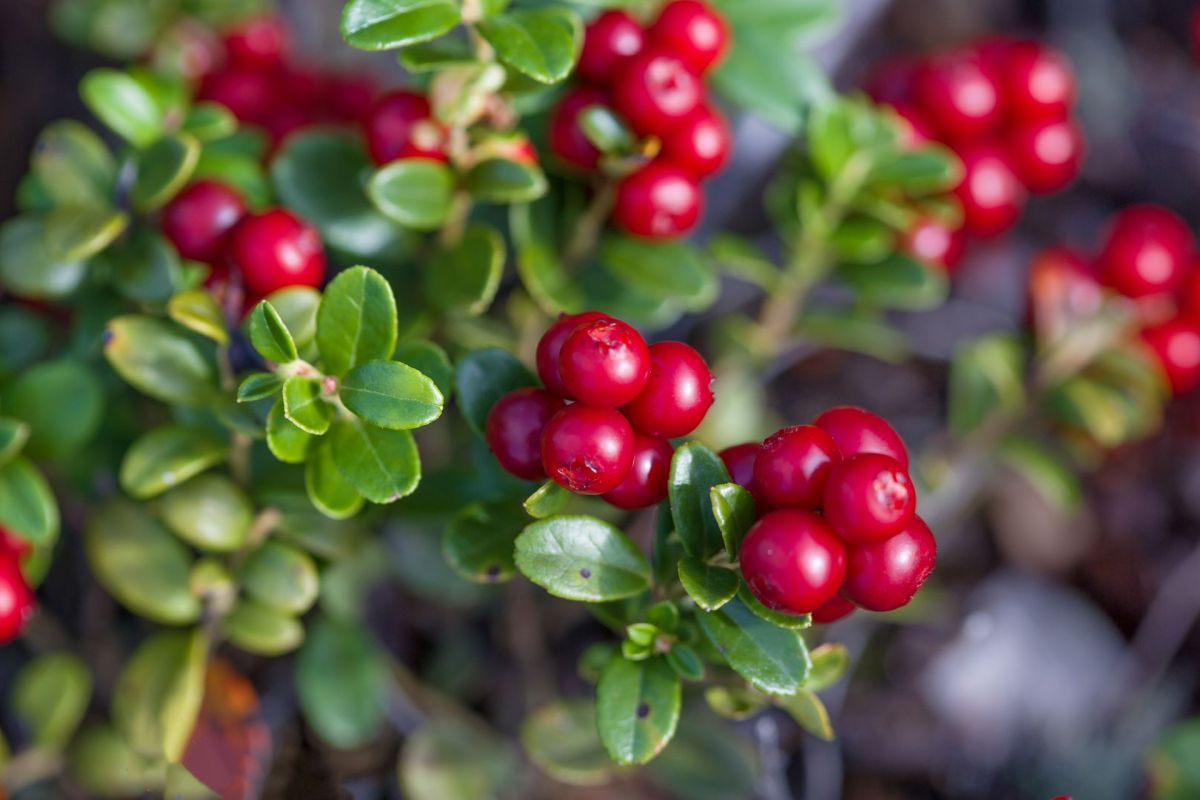
Workers on one New Jersey cranberry farm have turned to an unexpected tool to protect their crops from extreme heat: meat thermometers.
Here's what to know
To stop berries from cooking before harvest, the farm cools them with sprinklers once their temperature hits 108 degrees Fahrenheit, grower Shawn Cutts told WHYY News.
New Jersey's cranberry production was worth about $16.4 million in 2025, according to the U.S. Department of Agriculture.
A crop suited to colder conditions now faces rising temperatures and increasingly unpredictable weather in New Jersey's Pine Barrens, where many cranberry farms have remained in the same families for generations.
At Cutts Brothers, Shawn Cutts' work on the family farm dates to 1997 and continues a five-generation tradition, WHYY News reported. He said farmers and researchers in New Jersey encounter these changes before many of their counterparts because the state is the country's southernmost cranberry-growing region.
A conveyor carries cranberries into trucks after workers rake the floating fruit toward it. To prepare for that collection during the mid-September-through-November harvest, farmers flood sandy bogs and use machinery to separate the berries from their vines.
TCD Picks » Quince Spotlight
💡These best-sellers from Quince deliver affordable, sustainable luxury for all




More background
"When we get hot, dry days in the late summer, the berries can actually cook on the vines, and it'll ruin them," Cutts said.
A fungal infection can also cause major crop losses, and warmer conditions can help it thrive, WHYY News reported.
Spring is another season expected to become less predictable as climate change brings more erratic temperatures, according to Rutgers University climatologist James Shope.
Warm spells can encourage plants to develop or bloom before a late frost strikes, posing another threat to growers trying to protect their crops as seasons change.
What's being done?
Rutgers researchers are developing a temperature-based model to help farmers determine when to apply pesticides.
Cesar Rodriguez-Saona, an entomologist leading the Rutgers Marucci Center for Blueberry and Cranberry Research's entomology program, is working with Shope on the tool.
Because insects grow faster in warmer conditions, Rodriguez-Saona said pesticide schedules may need to change with each season's temperatures. Matching treatment to a pest's life stage is crucial to its effectiveness, and the model aims to help growers make that decision as conditions shift.
According to WHYY News, researchers and farmers also see breeding more climate-resistant cranberry varieties as essential. Developing those varieties, however, requires substantial time, effort, and planning.
Breeding offers a longer-term approach alongside the temperature checks and cooling sprinklers already used on Cutts' farm.
"All of our farms are multigenerational," he said. "Sometimes solutions are ones that the next generation will benefit from. But I think that's the kind of long-term thinking that we need to employ to stay viable in today's agricultural world."
Where can I learn more?
Farmers worldwide face extreme heat, water shortages, and crop pests. These stories explore heat-resistant rice, drought-stricken pastures, proposed irrigation wells, ants that protect crop pests, and limestone's potential to capture carbon dioxide.
• Mississippi River Basin farmers spread limestone that traps more carbon dioxide than it emits.
• In Texas, a push to protect Medina Lake would move farmers onto new wells.
• In northern Wisconsin, record drought left pastures ankle-high instead of the two-foot grass one farmer expected.
• In Japan, heat-resistant rice gives farmers hope as extreme heat threatens a staple crop.
• In California, Argentine ants are shielding crop pests from predators that farmers need.

Get TCD's free newsletters for easy tips, smart advice, and a chance to earn $5,000 toward home upgrades. To see more stories like this one, change your Google preferences here.
Cool Picks






