



An Amazon shopper sparked a discussion about paper waste after sharing a stack of three catalogs from the online retailer, with commenters questioning why the mailings featured QR codes instead of prices.
Here's what to know
After sharing photos of the mailers on Reddit, the original poster wrote, "Apparently junk mail catalogs are making a comeback. … I thought we were done with this garbage stuffer mail outs."
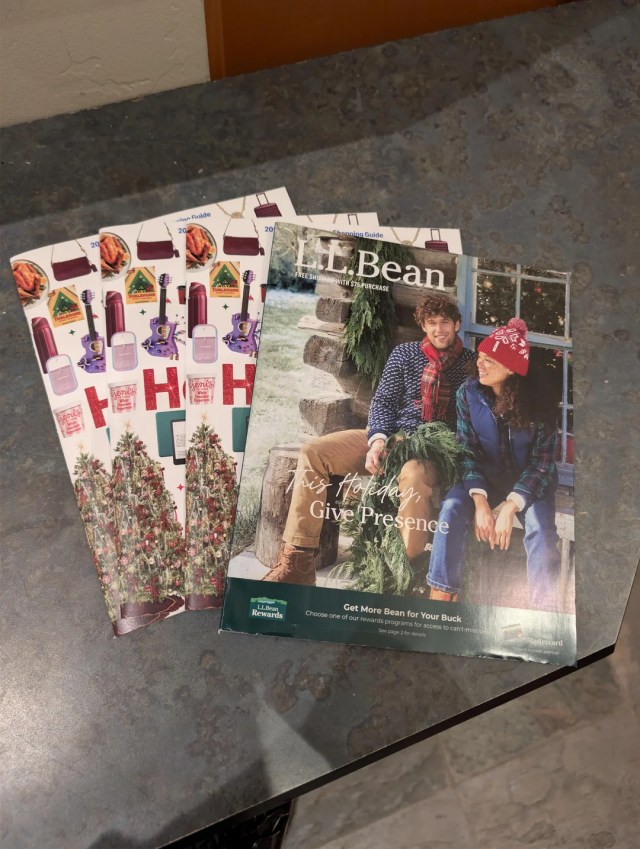
Commenters quickly streamed into the thread to add their agreement and other frustrations with e-tailers.
One commenter joked, "Amazon really looked at my spam folder and thought, this needs a paperback edition."
Another added, "The Amazon one is specifically dystopian: no prices, just random stuff and QR codes."
The OP responded, "Amazon one literally makes no sense to me, their entire platform existed to render catalogs obsolete."
TCD Picks » Quince Spotlight
💡These best-sellers from Quince deliver affordable, sustainable luxury for all




A third commenter pointed out, "They never stopped. I don't mind the L.L. Bean or other brand or small store catalogs. It's easier for me to decide if I want something from the store or not, and gives my kids a chance to select items they want for birthday/Christmas lists."
Not everyone agreed, however, that these paper catalogs were mildly infuriating. One noted that they liked the "kids Amazon one," while several others suspected nostalgia was driving the rise in paper catalogs.
Another wrote, "I've been getting the Amazon one for a few years now. I don't mind. Gives me ideas."
For shoppers who do not want catalogs arriving at their homes, the most practical step is to ask Amazon, L.L. Bean, or any other relevant retailer to remove their addresses from catalog mailing lists.
Where can I learn more?
Unclear pricing, excessive material waste, and unexpected advertising are common consumer problems.
• An electronic grocery tag hid an item's price behind a false out-of-stock alert.
• Unwanted mail goes straight to recycling as commenters share ways to stop deliveries.
• In India, Amazon was ordered to refund a user after adding Prime Video ads mid-subscription.

Get TCD's free newsletters for easy tips, smart advice, and a chance to earn $5,000 toward home upgrades. To see more stories like this one, change your Google preferences here.
Cool Picks






