


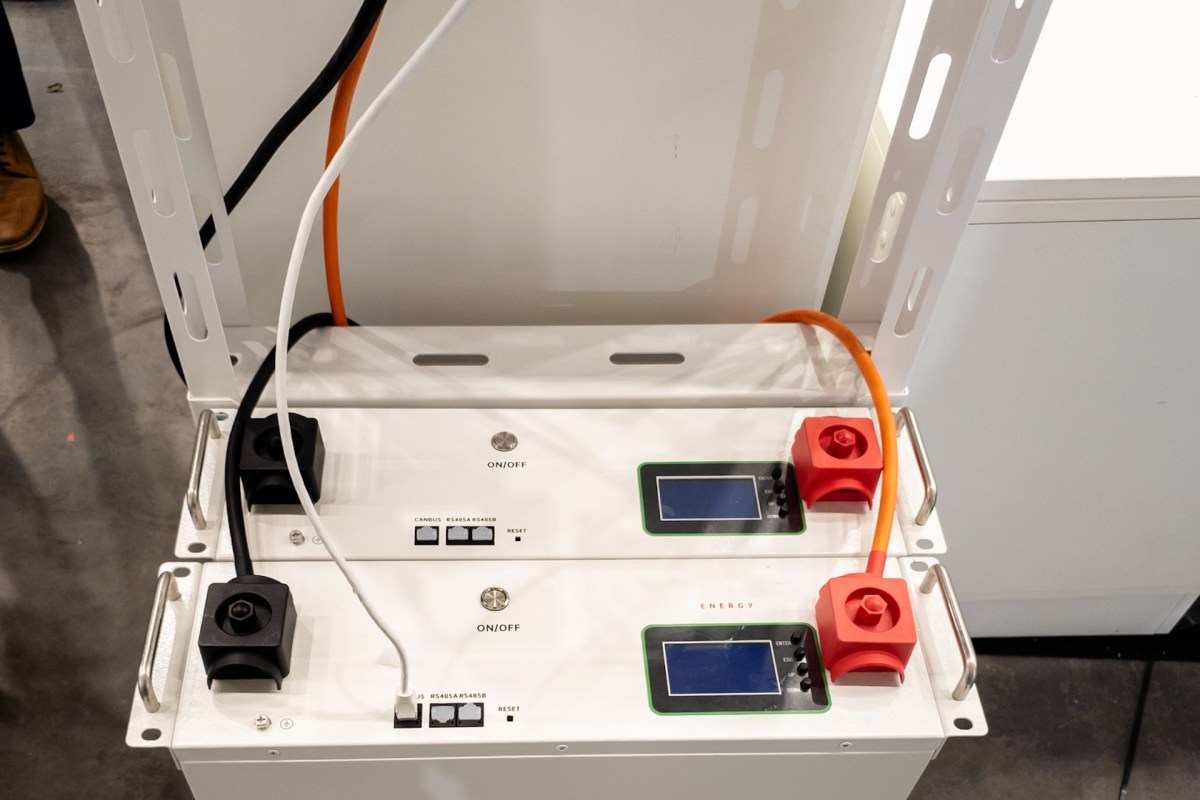
A Massachusetts homeowner looking for backup power received two surprising quotes from the same installer: slightly above $30,000 for a battery alone, or $23,500 for the same battery with four solar panels.
According to the installer, the difference came down to incentives.
Here's what to know
About $600 in electricity bills arrived across January, February, and March after the homeowner exhausted their net-metering credits, they explained in a post on Reddit's r/solar community. Their solar array is four years old and produces less electricity than the household needs annually.
Qualifying for certain rebates and supplying more electricity to charge a Tesla Powerwall 3 were the original installer's reasons for recommending four additional panels alongside the battery. With the south-facing roof already full, those panels would go on the north-facing side.
A prepaid lease would bring a competing company's Powerwall 3 offer to $13,300, compared with its $19,000 quote.
For homeowners comparing similar offers, EnergySage provides a resource to explore battery products and compare competitive installation estimates. Its partnership with electrification company Qmerit aims to help homeowners secure the best available battery-storage pricing.
More background
"I've been looking into getting a battery installed for power backup (we do lose power on occasion) and also due to the impending start of time of use rates here in Massachusetts. I'm trying to figure out if it now makes sense to get a battery before time of use rates go into effect, or if it makes more sense to not install a battery," the poster wrote.
A properly configured battery could keep essential equipment running during those outages, reducing the household's dependence on the utility while the grid is down.
Crushed by your bills? See instant solar savings from vetted installers in just a few clicks With energy prices through the roof, there's never been a better time to go solar — and EasyHome can help you find the best prices from the best installers in your area. EasyHome takes the guesswork and headaches out of energy upgrades by showing you estimated savings from a network of vetted local partners. To get started, just enter your ZIP and share a few details about your home — seeing your estimate is really that easy. |

Storing electricity for use during more expensive hours could also help lower bills.
Still, commenters questioned how a different rate plan would affect the homeowner's existing net-metering arrangement.
One commenter suggested exploring higher-output replacement panels compatible with the existing microinverters, or available east- or west-facing roof space. Several commenters questioned the north-facing proposal because of its lower production potential.
What can be done?
Comparing the offers means weighing three considerations: how much backup coverage the homeowner needs, how much they could save by shifting electricity use, and which incentives apply to each installation.
For a smaller backup option, Pila offers a plug-and-play format at a substantially lower price point than whole-home backup systems — another category to consider alongside the homeowner's five-figure installation quotes.
With $600 in annual electricity purchases at stake, one commenter urged weighing the potential savings from shifting consumption against the installation costs.
"So if you care for that approach, you'd likely conclude it's just not worth it to do any shifting with a PW3 at that price point until the (peak - off peak) spread exceeds ~$0.52. Factor in backup benefit as you will," they wrote.
Where can I learn more?
Other homeowners shopping for backup power have also received steep battery quotes. These stories cover installation prices, competing offers, and backup problems with a costly solar-and-battery system.
• An Enphase owner received battery quotes reaching $33,500 after running a generator for 80 hours.
• Adding batteries pushed a Connecticut homeowner's solar quote to $91,000, up from $51,000.
• A Louisiana homeowner faced a $24,000 Powerwall 3 quote alongside an existing Powerwall 2.
• One company quoted a homeowner $41,000 for three Powerwalls, while a certified installer offered $25,000.
• A Florida homeowner's backup fell to 1% after paying $65,000 for a solar-and-battery system.

Get TCD's free newsletters for easy tips, smart advice, and a chance to earn $5,000 toward home upgrades. To see more stories like this one, change your Google preferences here.
Cool Picks






