


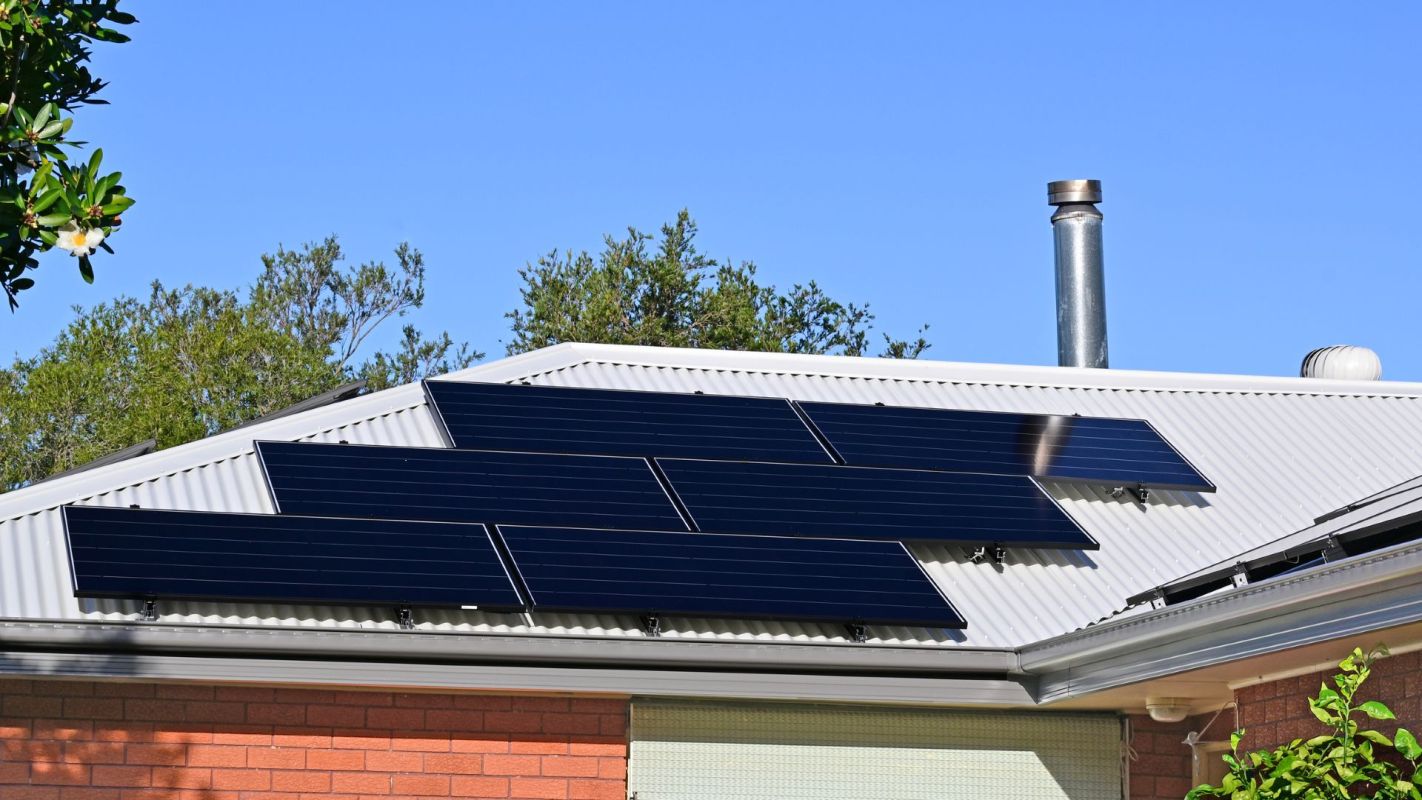
Australia's rooftop solar boom is gaining momentum, with newly registered capacity from January through October 2026 up 41% compared with January–October 2025.
Panel upgrades to accommodate batteries, along with new solar installations by battery buyers, are contributing to the growth.
Here's what to know
Rooftop systems of up to 100 kilowatts added 305 megawatts of registered capacity in October, according to SunWiz data reported by Renew Economy. That was roughly 16% higher than October 2025 and 11% higher than October 2024.
New South Wales led installations with 89.9 megawatts. Victoria recorded the strongest monthly growth, adding 60.2 megawatts — an 11% increase from September. Queensland added 75.8 megawatts, down 8%.
The average rooftop system size also rose to about 10 kilowatts after holding at around 9.9 kilowatts for four months, reflecting demand for systems that can generate more electricity at home.
For households exploring electricity savings, $0-upfront solar leases may reduce bills by hundreds of dollars per month, depending on individual circumstances. EasyHome offers a free explorer tool to estimate potential savings and connect users with vetted local installers.
More background
Australia installed an estimated 1,043 megawatt-hours of residential battery capacity in October 2026, a 9.7% increase from September.
That pushed monthly installations above one gigawatt-hour for the first time since April.
Crushed by your bills? See instant solar savings from vetted installers in just a few clicks With energy prices through the roof, there's never been a better time to go solar — and EasyHome can help you find the best prices from the best installers in your area. EasyHome takes the guesswork and headaches out of energy upgrades by showing you estimated savings from a network of vetted local partners. To get started, just enter your ZIP and share a few details about your home — seeing your estimate is really that easy. |

SunWiz managing director Warwick Johnston attributed much of the growth to batteries sized at 20 kilowatt-hours and above. Systems in the 20-30-kilowatt-hour range contributed 399 megawatt-hours, followed by 40-50-kilowatt-hour systems at 273 megawatt-hours and 30-40-kilowatt-hour systems at 210 megawatt-hours.
Together, batteries of at least 20 kilowatt-hours accounted for 85% of October's installed storage capacity.
According to SunWiz, the national average home battery size reached 26.74 kilowatt-hours, its fifth consecutive monthly increase. Smaller systems in the 10-20-kilowatt-hour range contributed another 150 megawatt-hours, up 3%.
What's being done?
A new battery can mean changes to panels already on a roof: existing solar owners are upgrading or replacing theirs to align generation with storage, Renew Economy reported. Some residents without panels are installing solar and batteries together.
For readers considering a similar pairing, EasyHome also offers options to explore battery storage alongside solar. Combining the two can help households manage electricity costs and provide backup power during outages, depending on the equipment and installation selected.
"This is the second straight rise after August's small dip, and volumes are now nearly double the May low, though still about 68 per cent below April," Johnston said.
Where can I learn more?
Australia's solar and battery boom comes with practical questions about rebates, maintenance, and installation costs. These stories cover record battery installations, rooftop maintenance, community storage, and solar-plus-battery quotes.
• In Australia, rebates are driving record home battery installations, outpacing rooftop solar growth.
• Australia's rooftop solar expansion faces maintenance challenges, with neglected systems risking early failure.
• Australia has reached 100 community batteries, while ARENA funds three more rooftop solar storage projects.
• In Australia, solar-plus-battery quotes varied widely, ranging from $8,000 to $20,000 for one setup.

Get TCD's free newsletters for easy tips, smart advice, and a chance to earn $5,000 toward home upgrades. To see more stories like this one, change your Google preferences here.
Cool Picks






